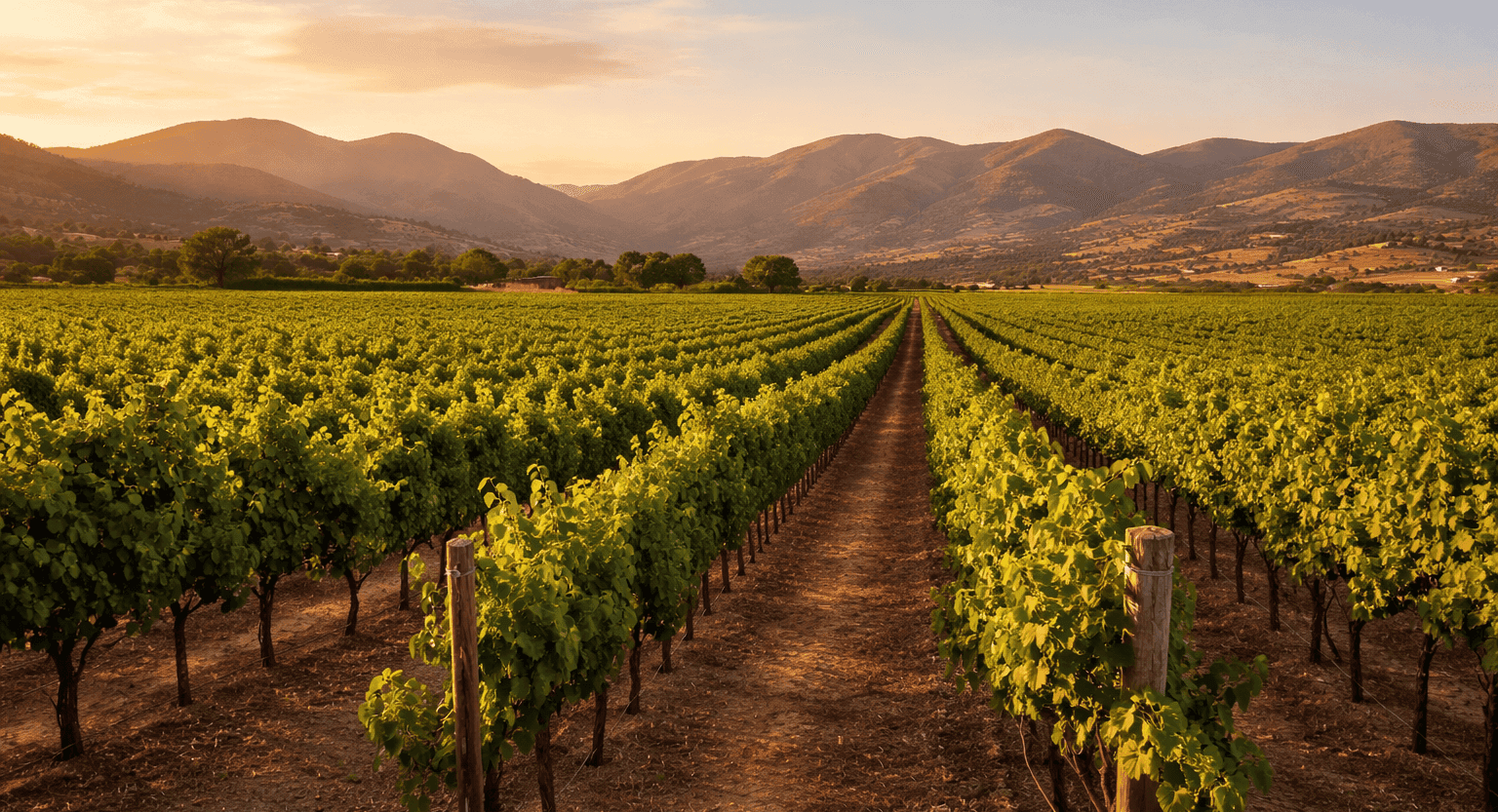
Some hotels have pools. Others have vineyards.
The difference is bigger than it sounds. Vineyards change the rhythm of a place. They shape the landscape, influence the food, define the seasons and give a destination a sense of purpose beyond hospitality.
The best winery hotels were never built to become hotels. They began as farms, family estates and places deeply connected to the land. Guests arrived later. Perhaps that's why they feel different.
Less manufactured. More rooted.
Monsaraz
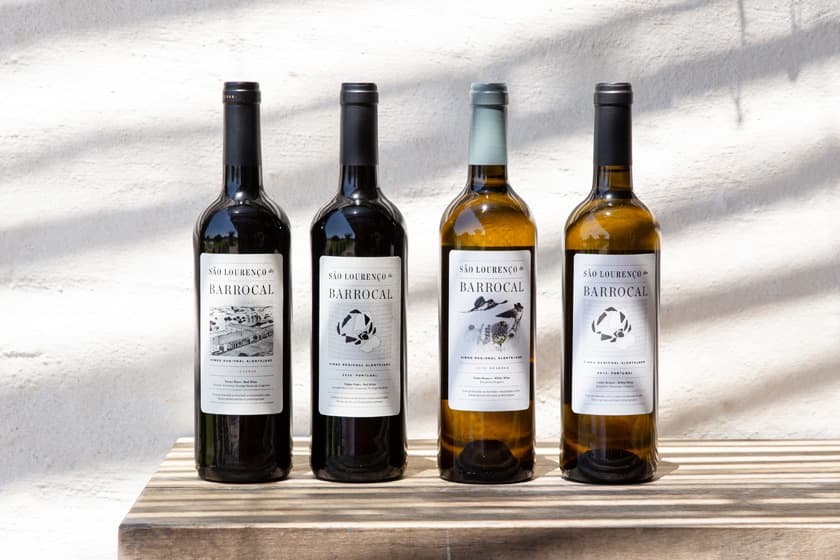
São Lourenço do Barrocal
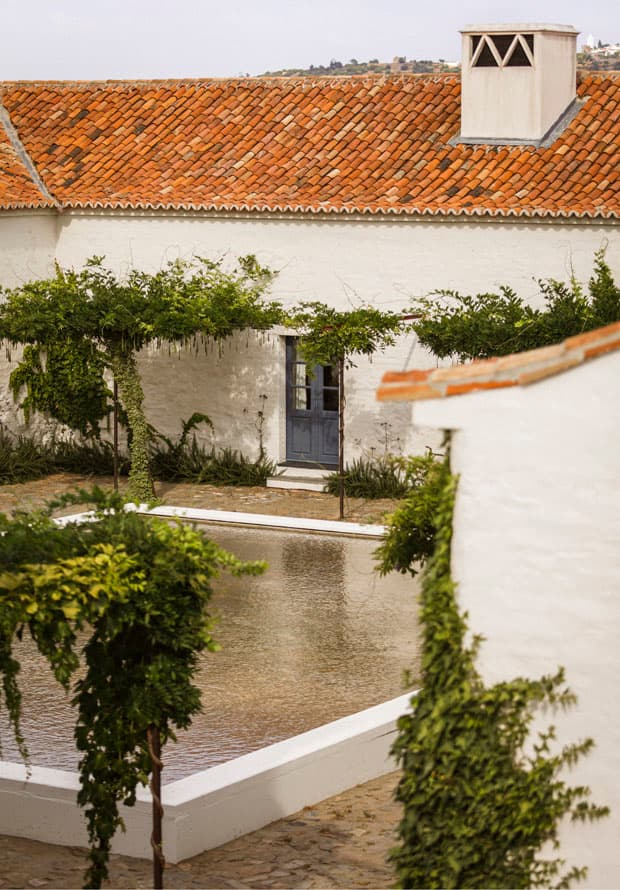
Long before wine tourism became fashionable, São Lourenço do Barrocal was simply a working estate. For more than two centuries, life here revolved around the land. Vineyards, olive groves, cork trees and agriculture shaped the landscape long before anyone thought of turning it into a hotel.
Thankfully, that spirit remains.
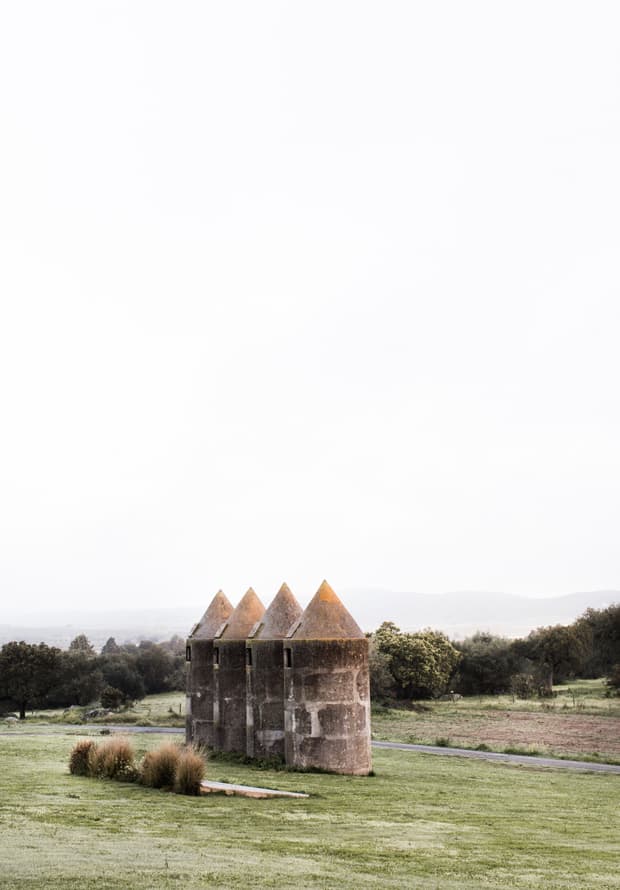
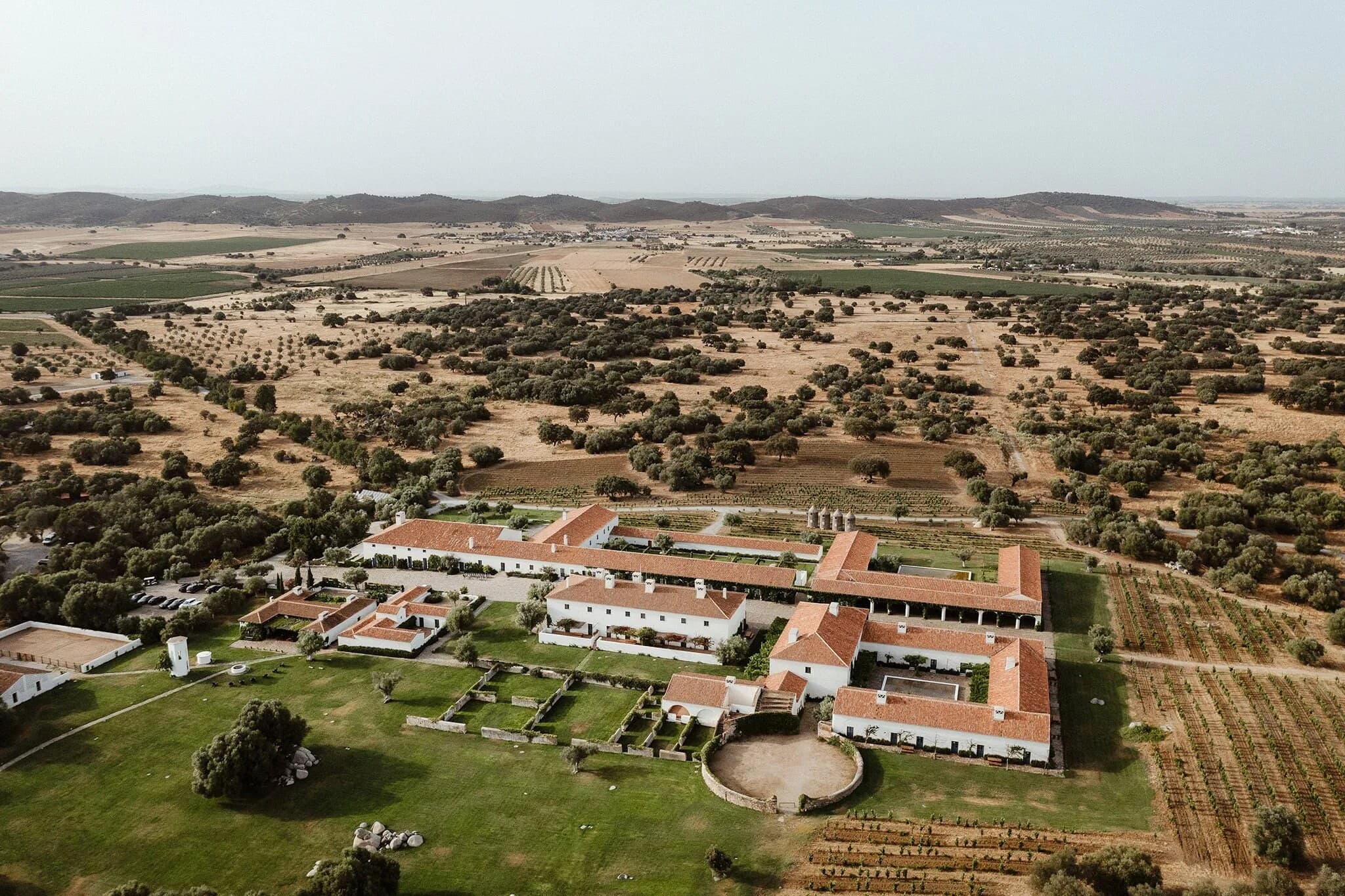
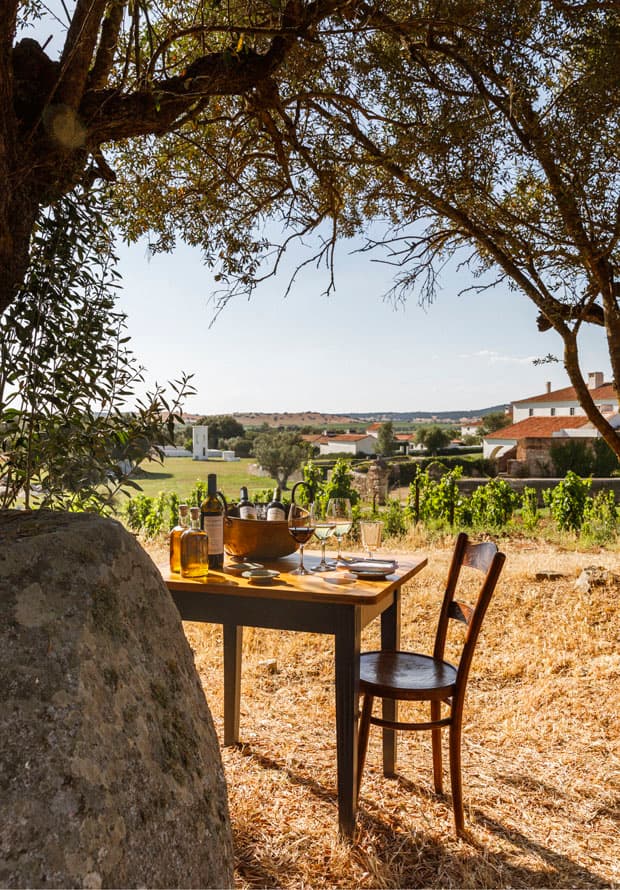
Located beneath the medieval hilltop village of Monsaraz, the estate feels less like a resort and more like a living piece of Alentejo. The architecture remains understated. Whitewashed buildings blend naturally into the landscape. Ancient olive trees cast long shadows across dusty paths.
Nothing feels rushed. Breakfast turns into coffee. Coffee turns into a walk through the vineyards. Lunch somehow becomes sunset.
The surrounding region produces some of Portugal's most exciting wines, but what makes Barrocal special isn't the wine itself. It's the feeling that everything belongs exactly where it is.
Where we'd stay
São Lourenço do Barrocal→Valle de Guadalupe
Bruma Wine Resort
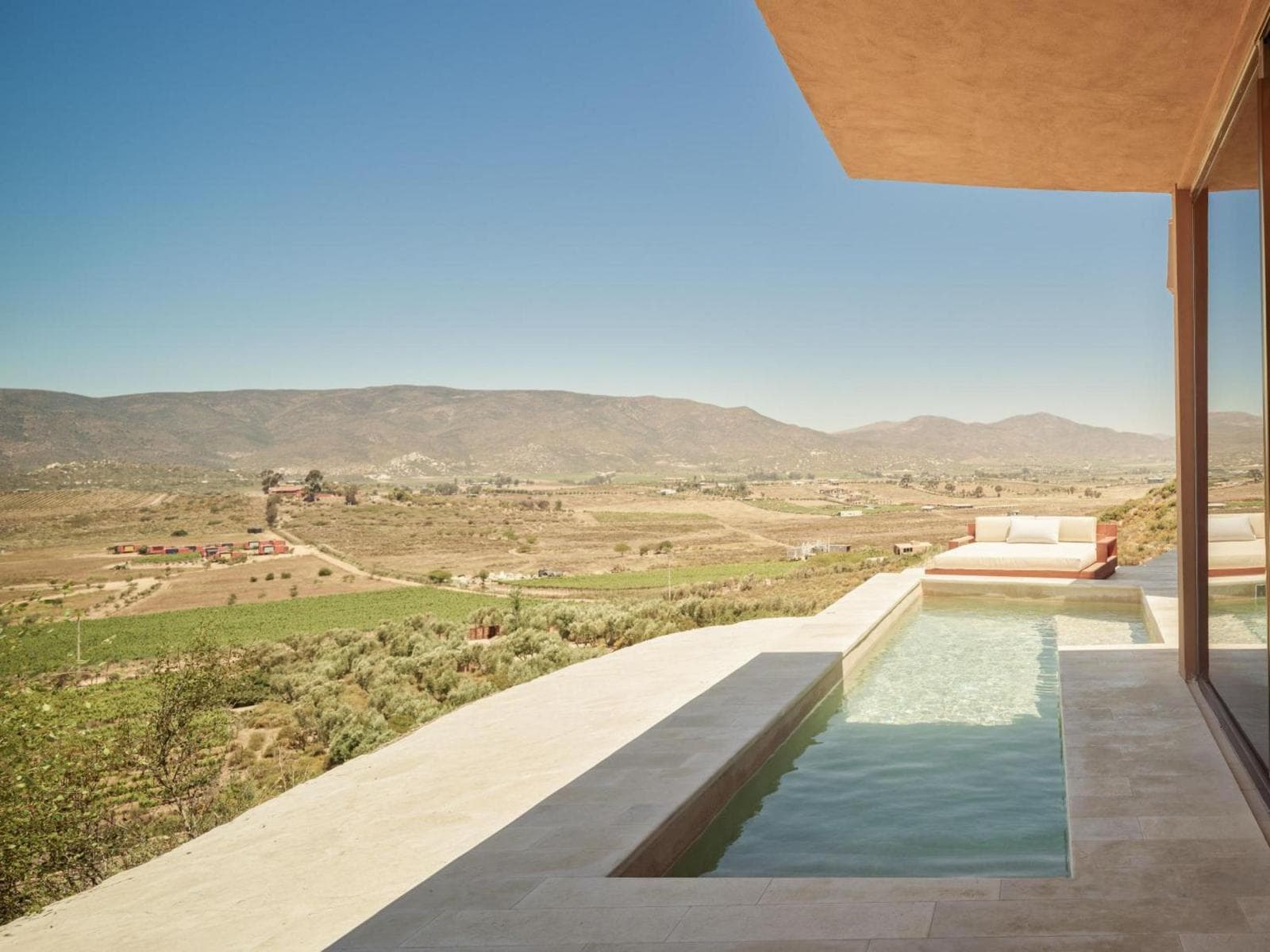
Most people have heard of Napa Valley. Far fewer have heard of Valle de Guadalupe. That won't last forever.
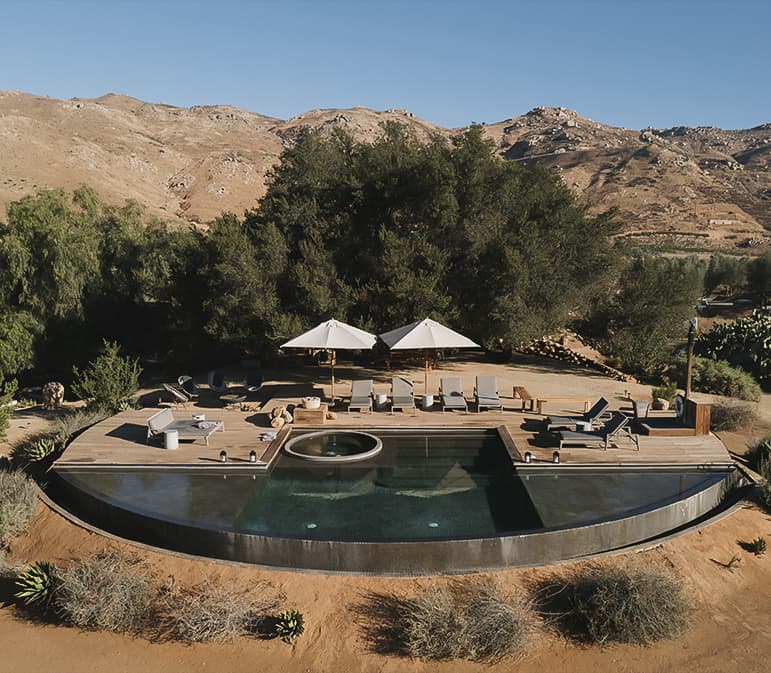
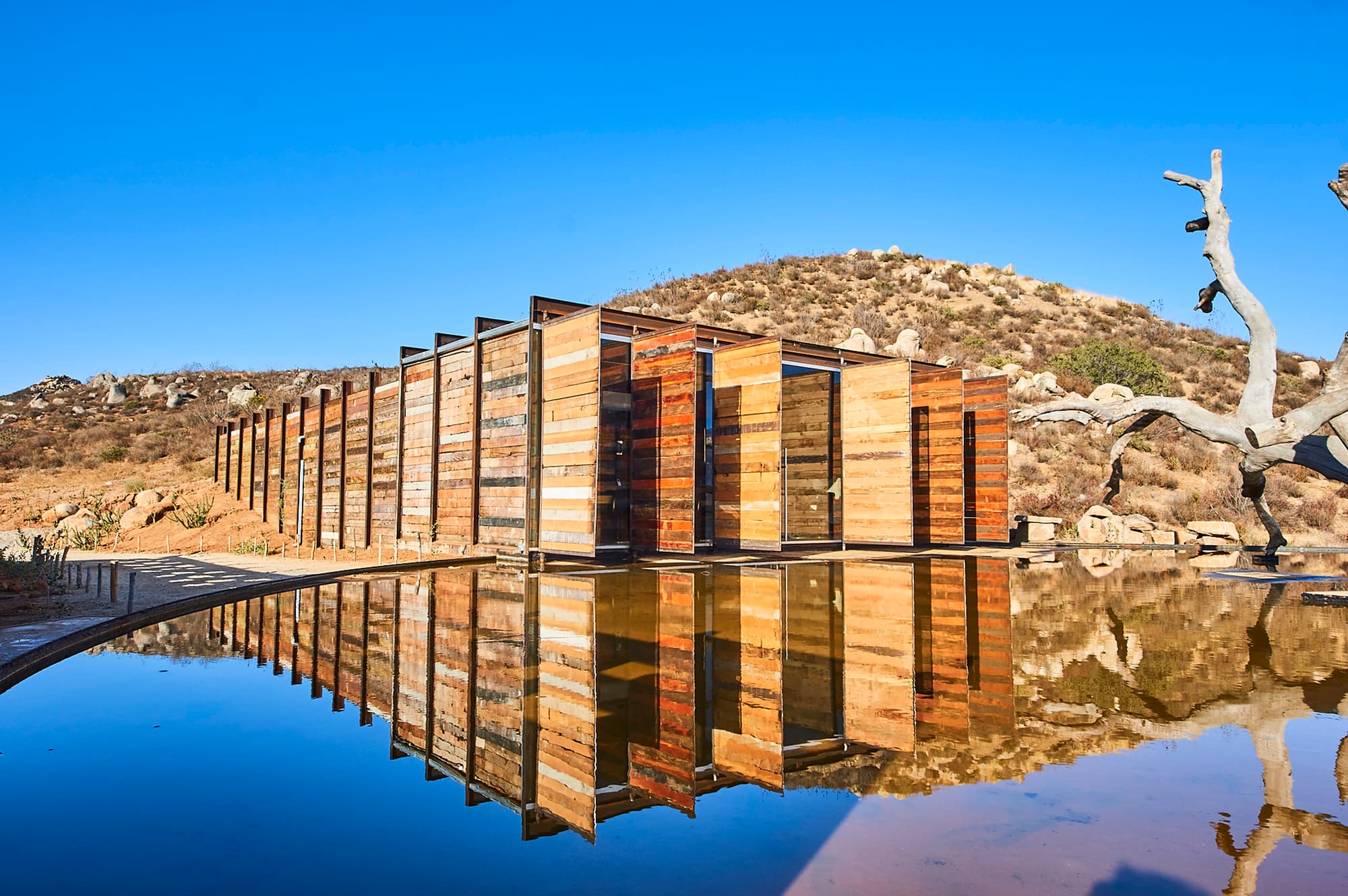
Located a few hours south of California, the valley has quietly become one of the most exciting wine regions in the world. Boutique wineries appear between dusty roads and ancient oak trees. Architects, chefs and winemakers continue to reshape what modern Mexican hospitality can look like.
Bruma sits at the centre of that story.
The architecture is contemporary yet warm. Rooms disappear into the landscape rather than dominate it. And unlike many established wine regions, Valle still feels unfinished in the best possible way.
There is energy here. A sense that the region is still becoming what it wants to be. Spend a few days moving between wineries, long lunches and slow evenings under the Baja sky, and you'll understand why so many people believe this is the future of wine travel.
Where we'd stay
Bruma Wine Resort→Lana
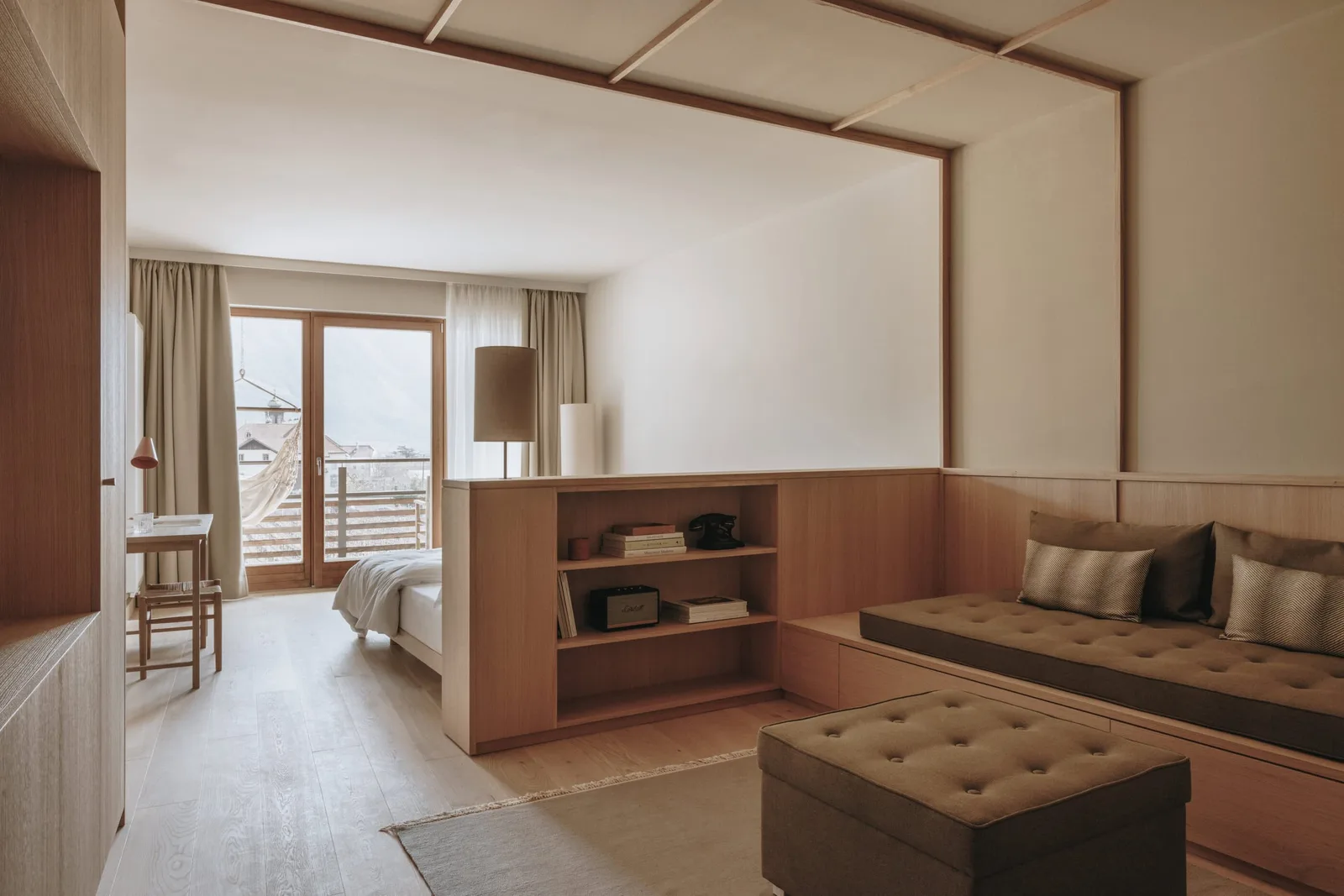
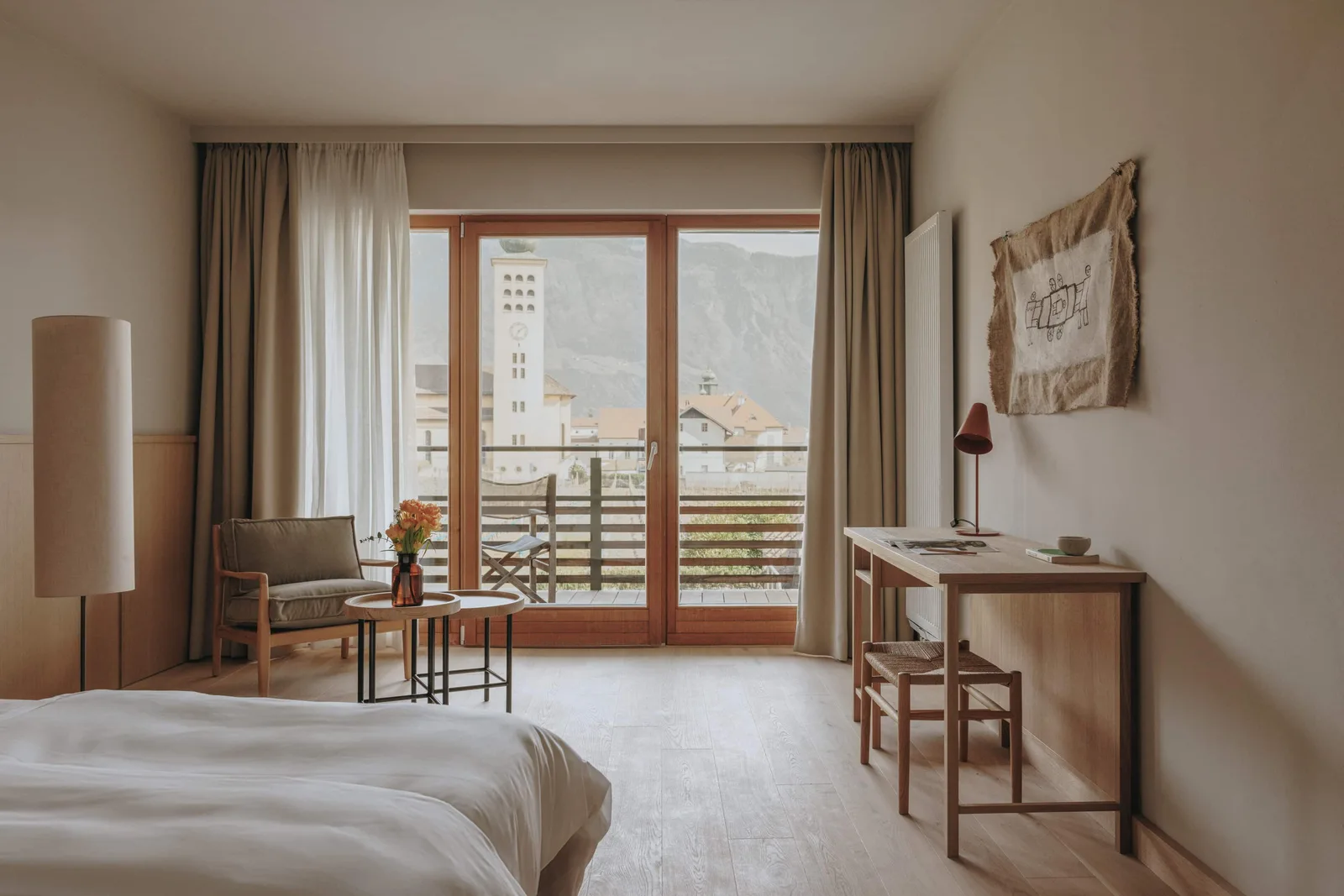
Schwarzschmied
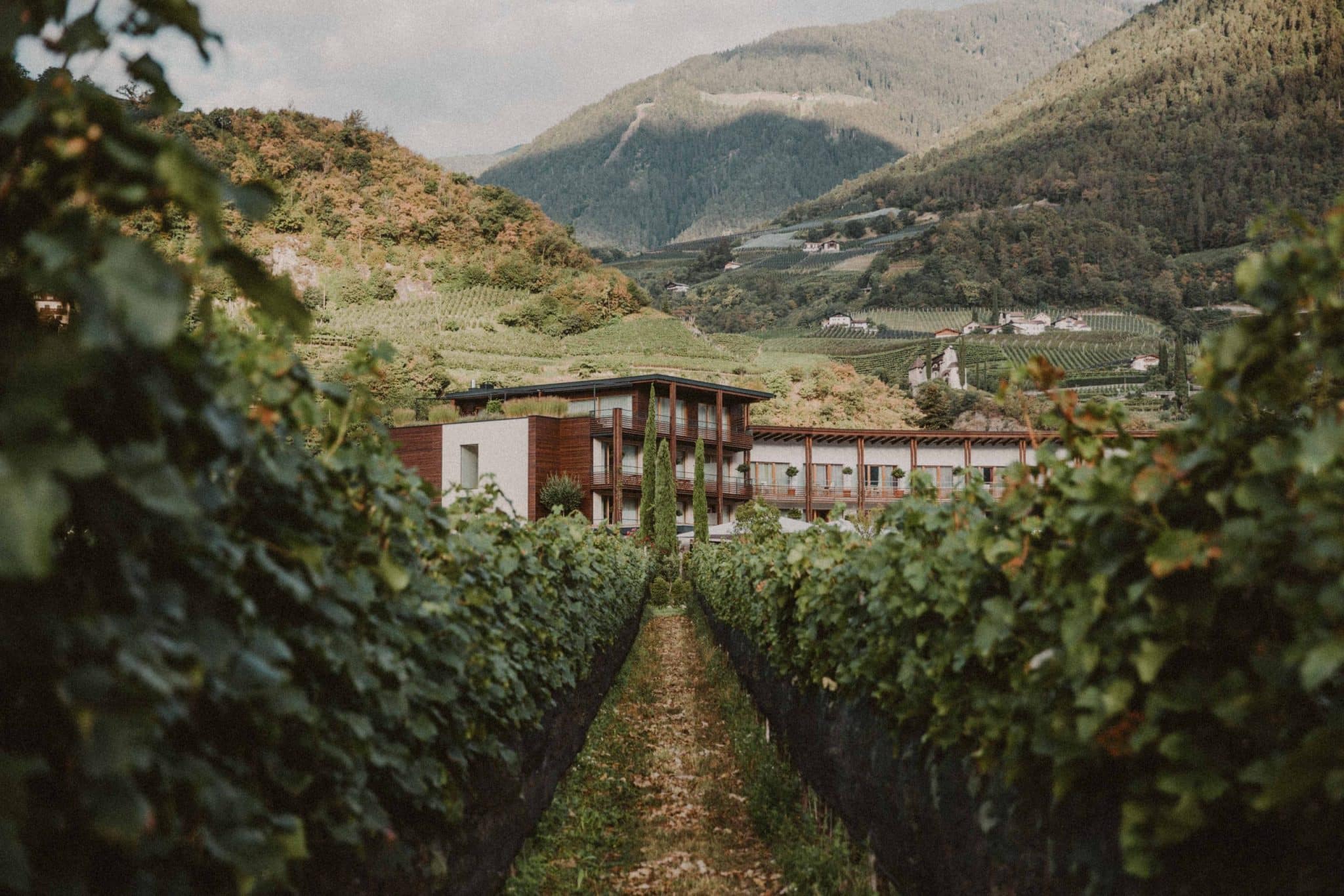
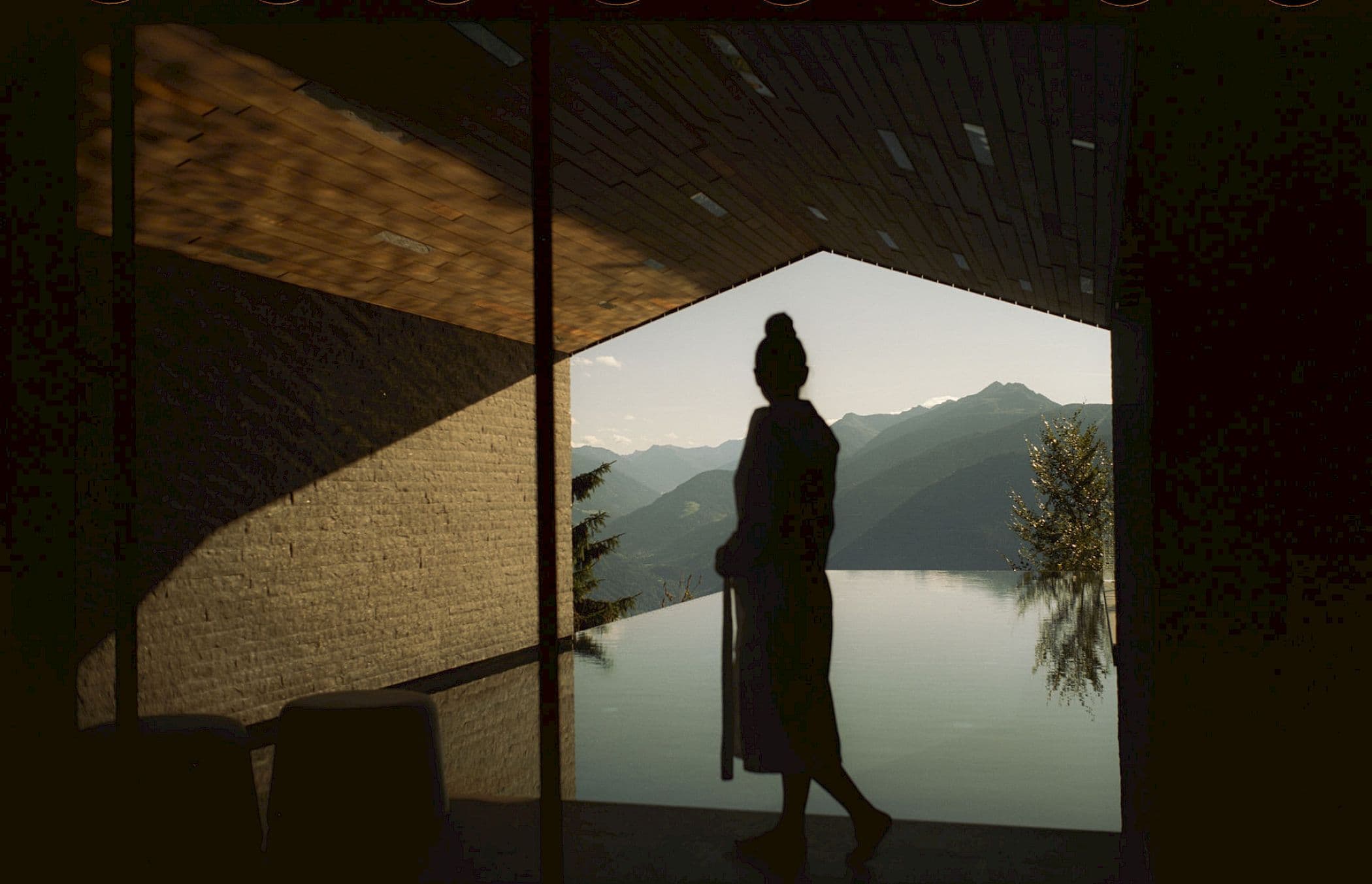
Not every winery hotel needs to revolve entirely around wine. Schwarzschmied understands this better than most.
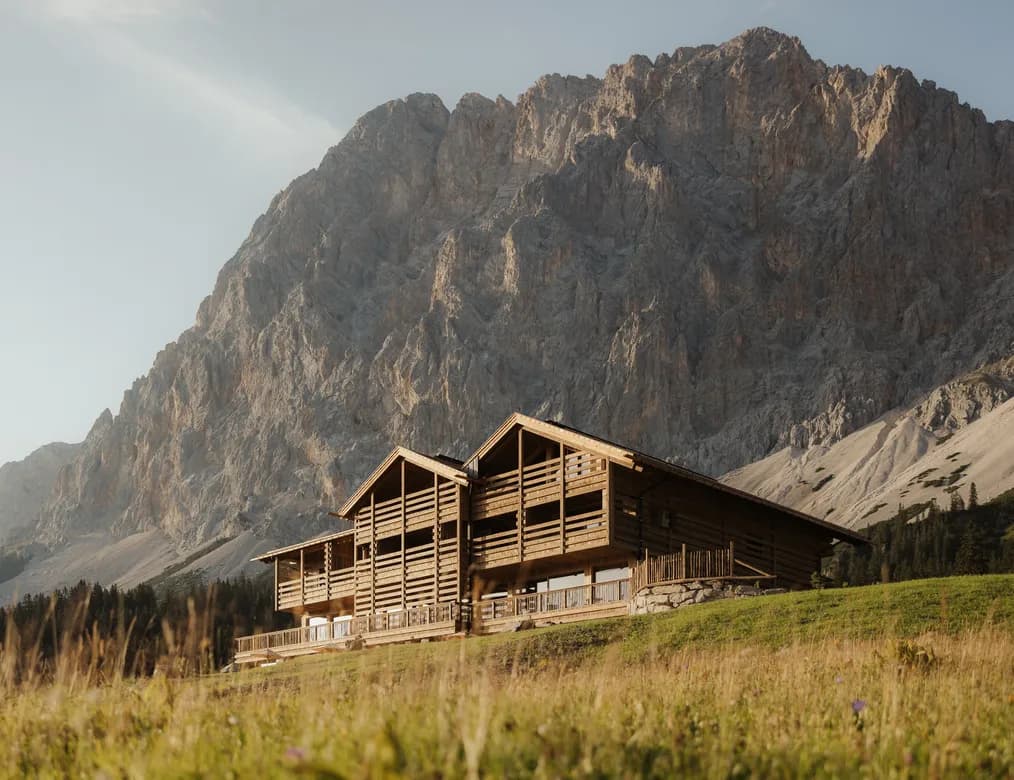
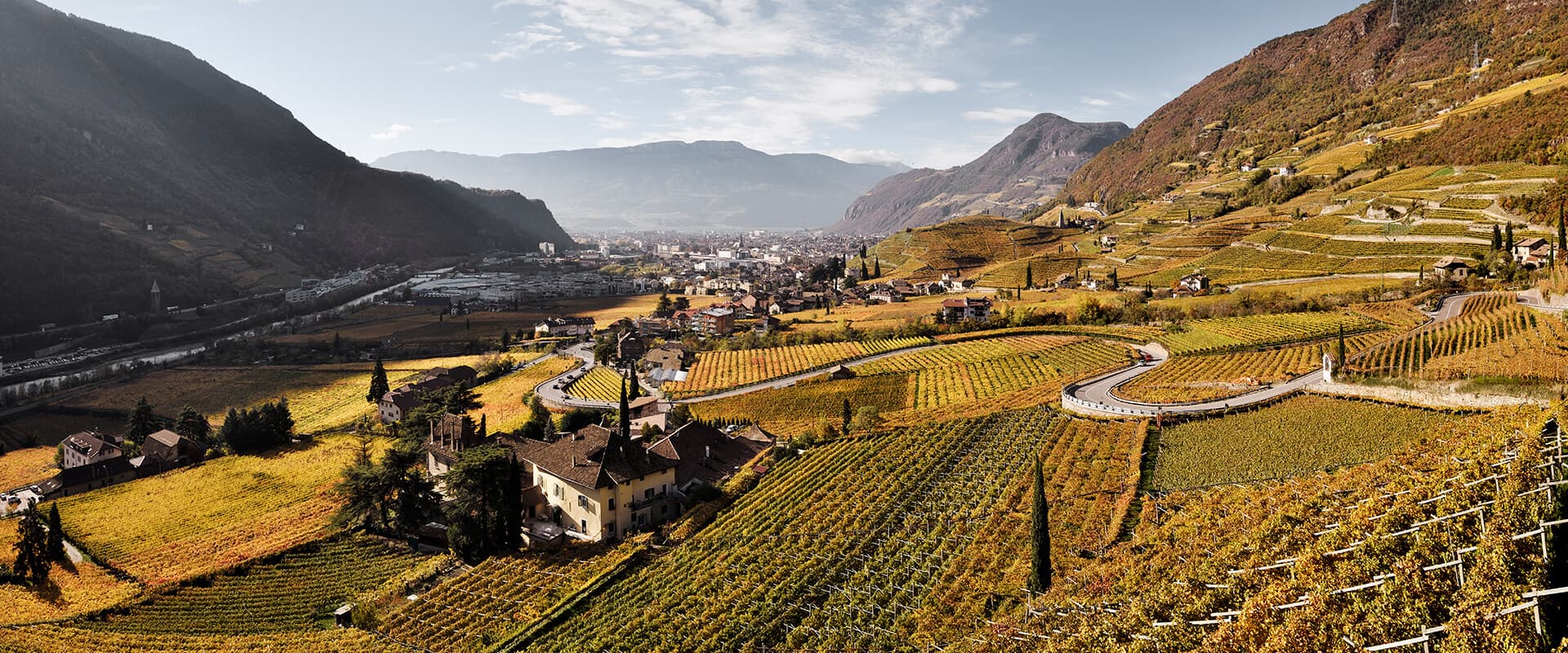
Located in the village of Lana, just outside Merano, the hotel sits at the intersection of several worlds. Vineyards meet orchards. Alpine trails meet Italian cafés. Mountain culture meets Mediterranean living.
Wine exists as part of everyday life rather than as an attraction.
A glass during lunch. Another during aperitivo. A recommendation from a local producer whose family has worked the same slopes for generations. That authenticity is what makes South Tyrol so compelling.
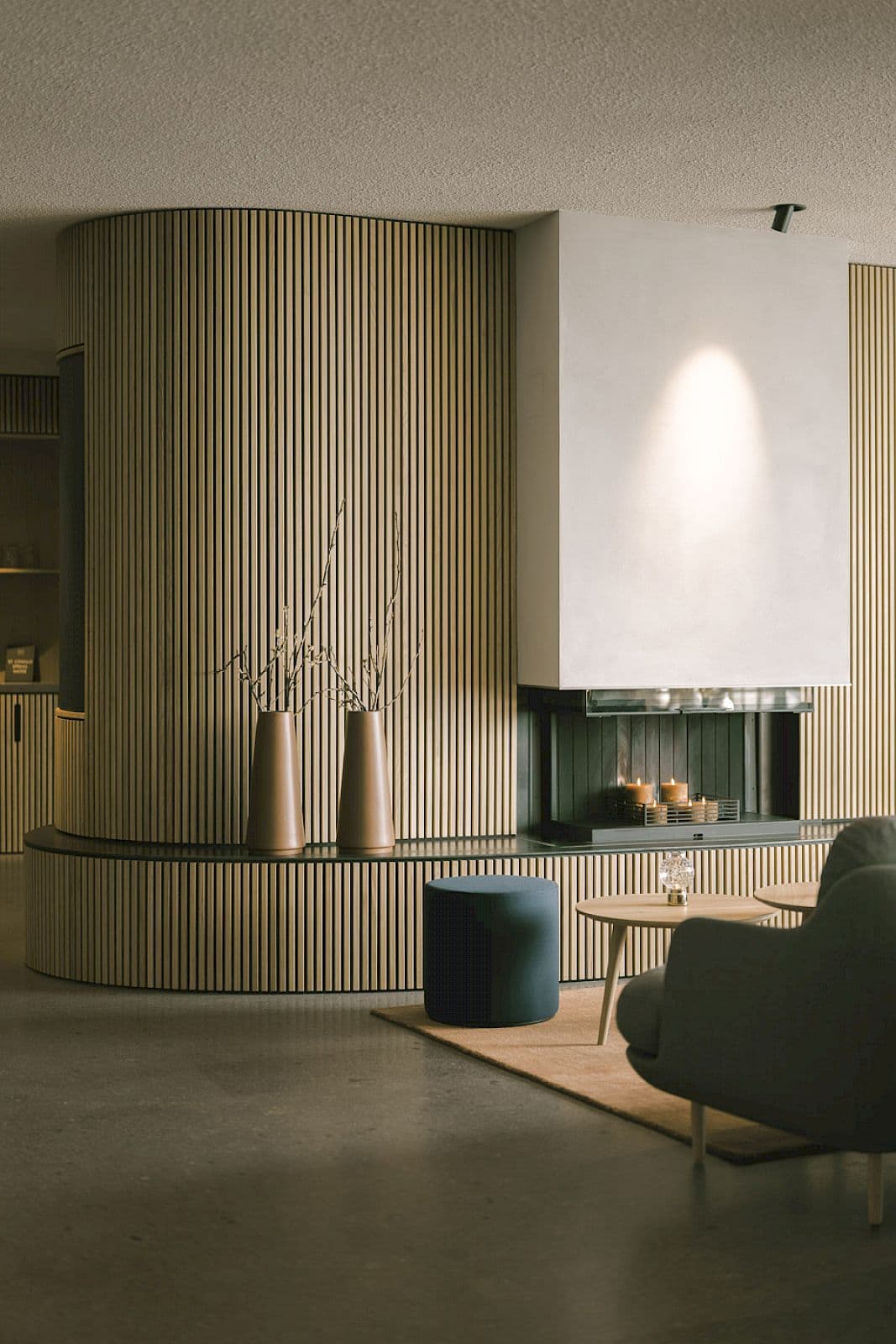
Calm design. Thoughtful hospitality. A deep connection to the region around it. Exactly what we're looking for in a winery hotel.
Where we'd stay
Schwarzschmied→Great hotels create a sense of place. Winery hotels are place.
The landscape shapes the architecture. The harvest influences the menu. The seasons determine the rhythm of daily life. Nothing feels interchangeable. You wake up knowing exactly where you are.
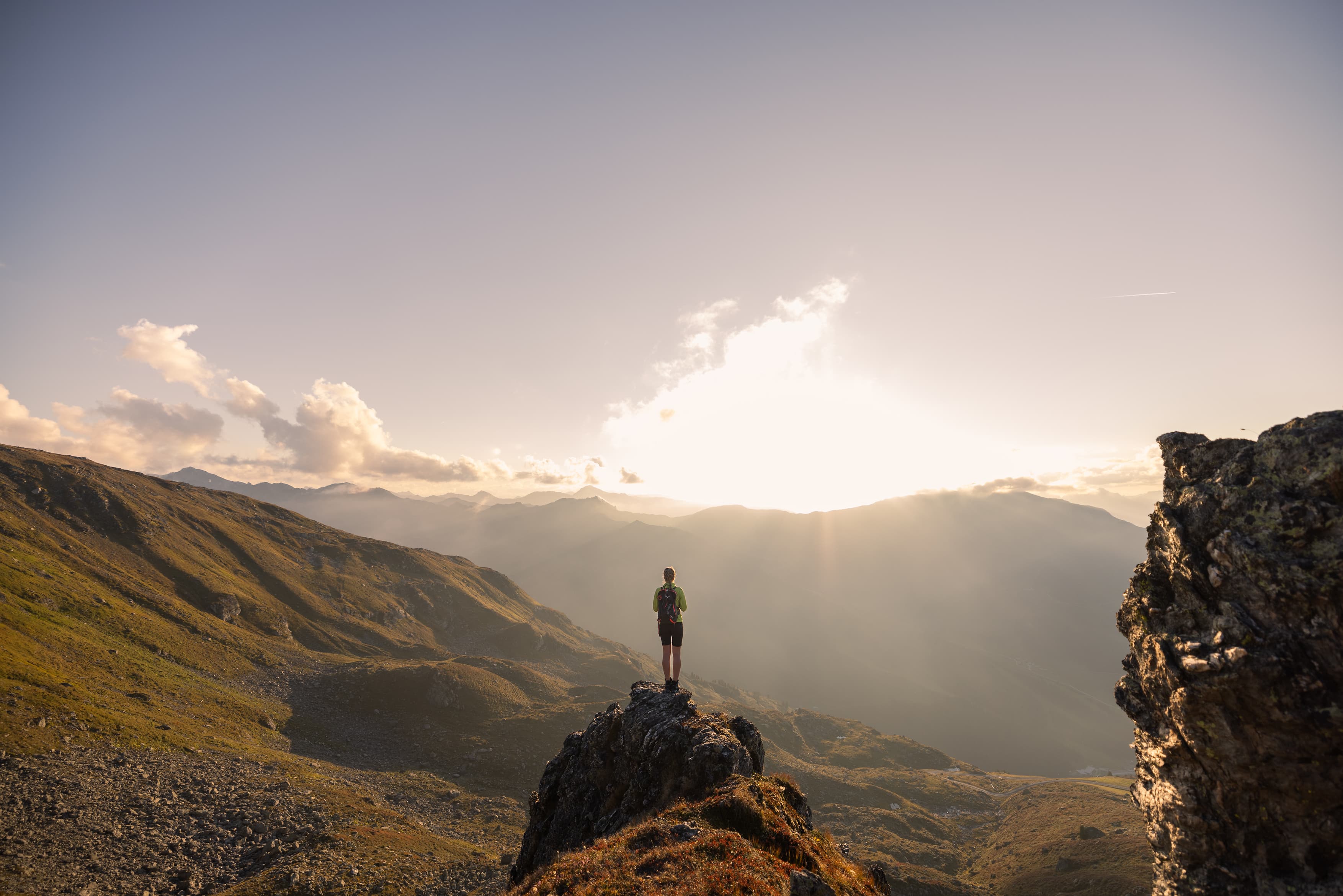
Not because of the wine — although that certainly helps. But because they remind us that the most memorable journeys are often the ones most closely connected to the land beneath them.