The Napa Valley of Mexico? Not quite.
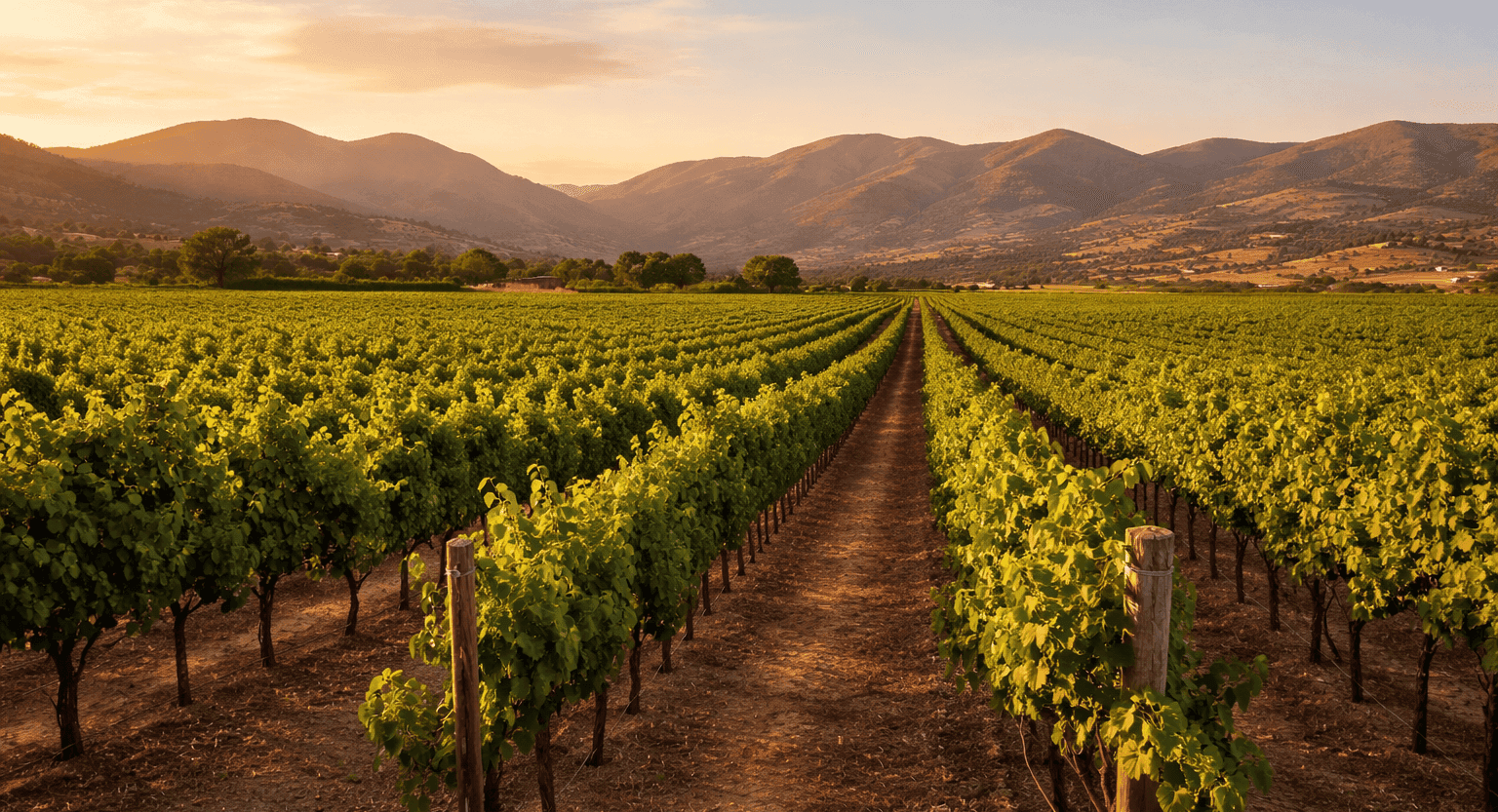
The comparison appears in almost every article about Valle de Guadalupe. The Napa Valley of Mexico. Technically accurate, of course. There are vineyards, tastings, and some of the most exciting restaurants in North America. Yet the comparison doesn't quite fit. Valle de Guadalupe feels more like Napa before Napa became Napa. Less polished, less planned, and considerably more relaxed.
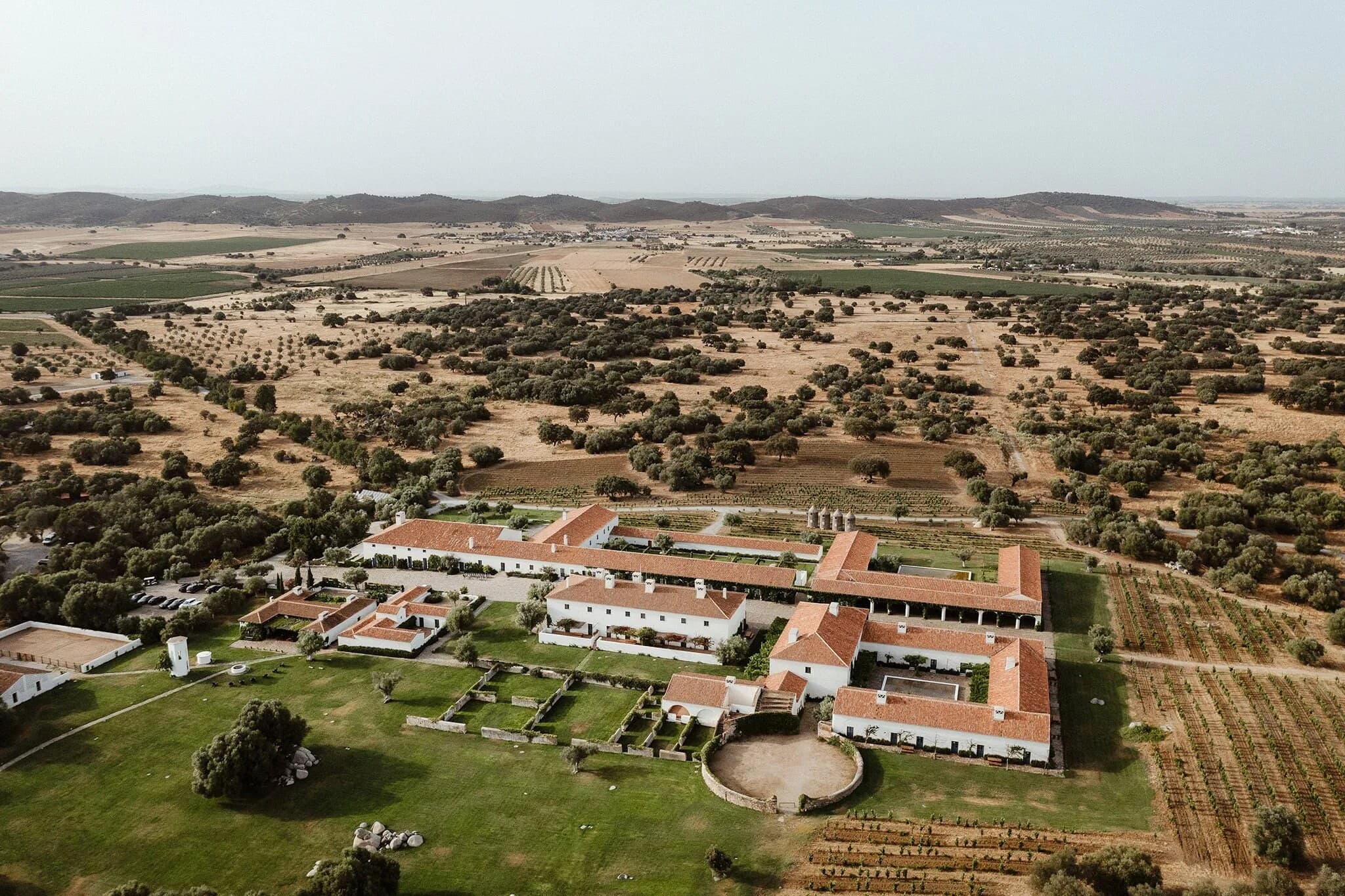
The valley sits just under two hours south of San Diego in Baja California. The landscape surprises many visitors on their first visit. Instead of lush green hills, what dominates are dry slopes, olive trees, cacti and dusty roads. Between them lie modern wineries, small boutique hotels and restaurants that look as though they emerged by chance among the vines. Nothing feels over-staged. That is precisely what makes it so appealing.
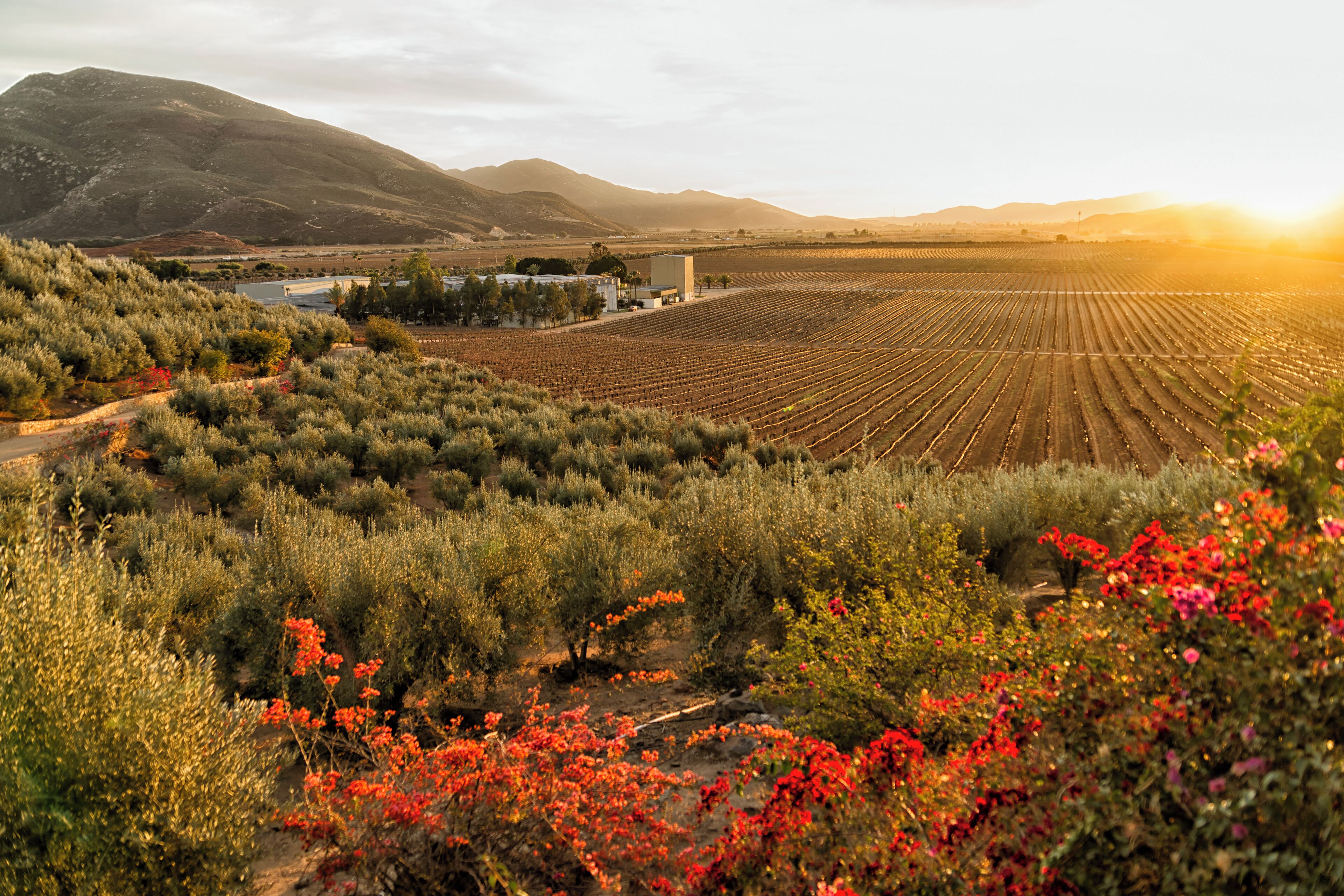
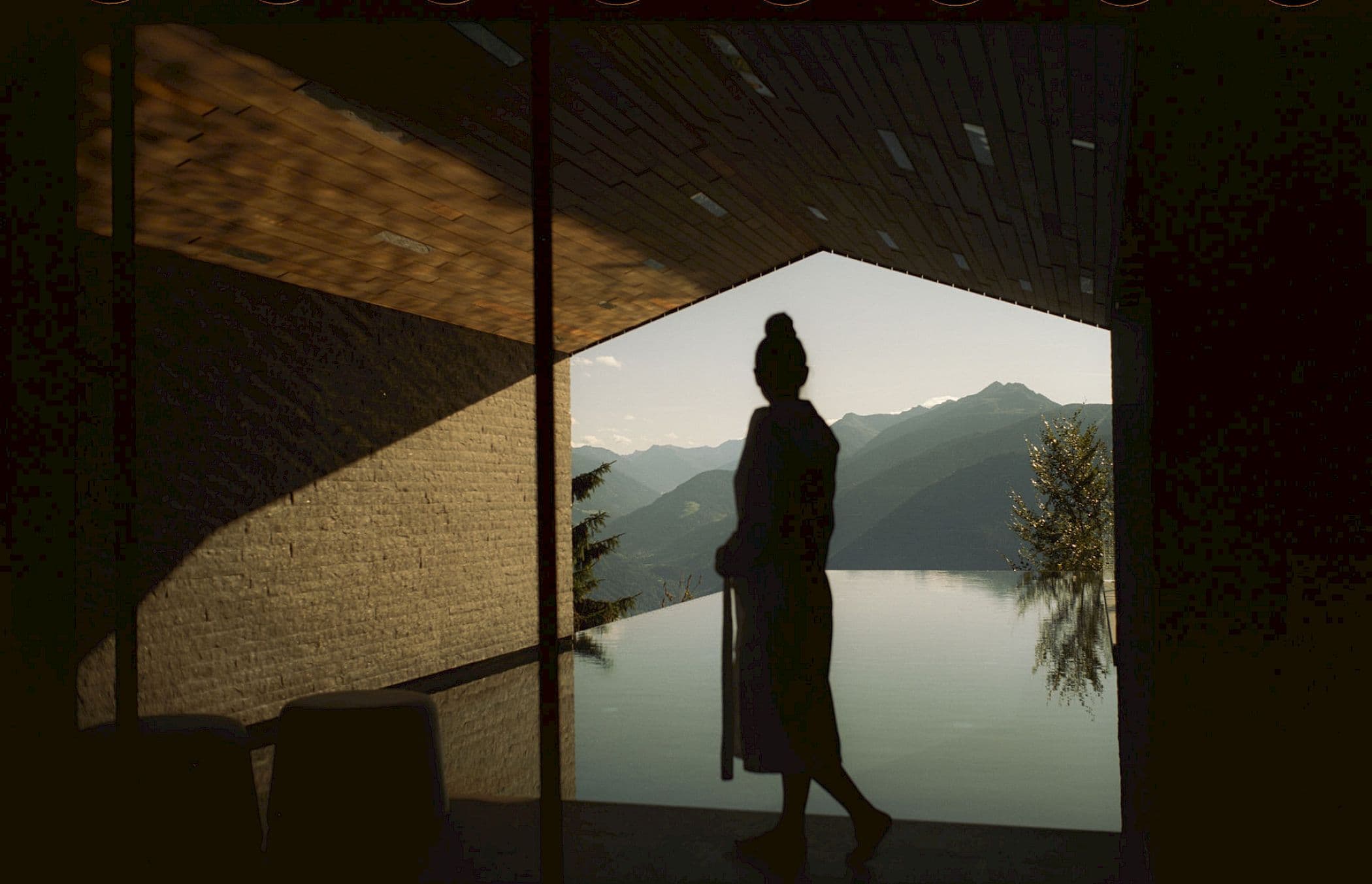
Those who come here quickly notice that wine, though present everywhere, rarely plays the lead role. The best memories tend not to form during a tasting, but afterwards. Over a long lunch in the open air. Over another bottle of wine that wasn't planned at all. Or somewhere between the pool, the vineyard and the sunset, when suddenly nobody is watching the clock.
Valle de Guadalupe belongs to those rare places that have preserved their own rhythm. You don't feel the need to experience as much as possible. On the contrary — the region works best when you plan less. A good hotel, two or three restaurant reservations, and enough time in between simply to be there.
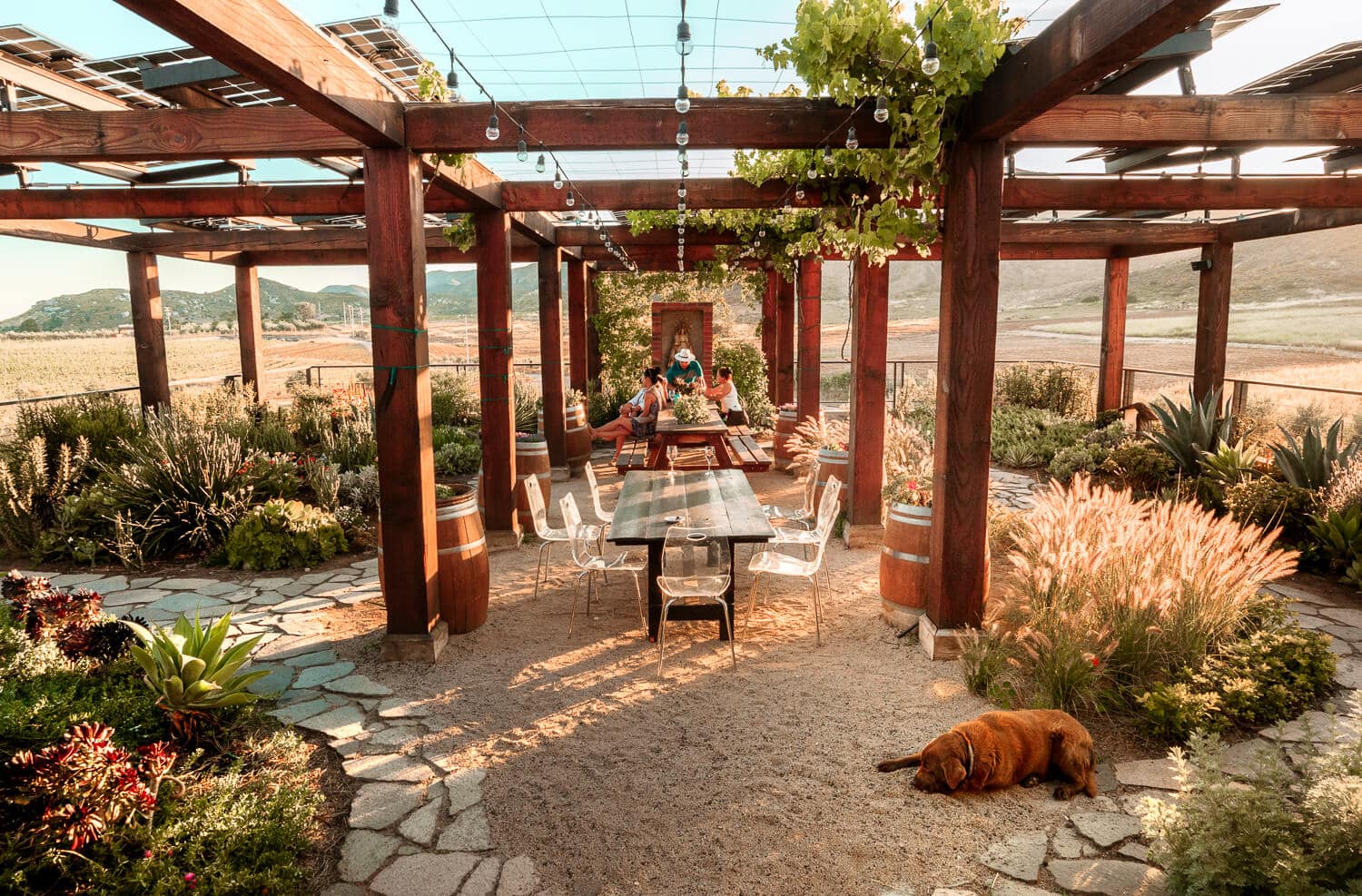
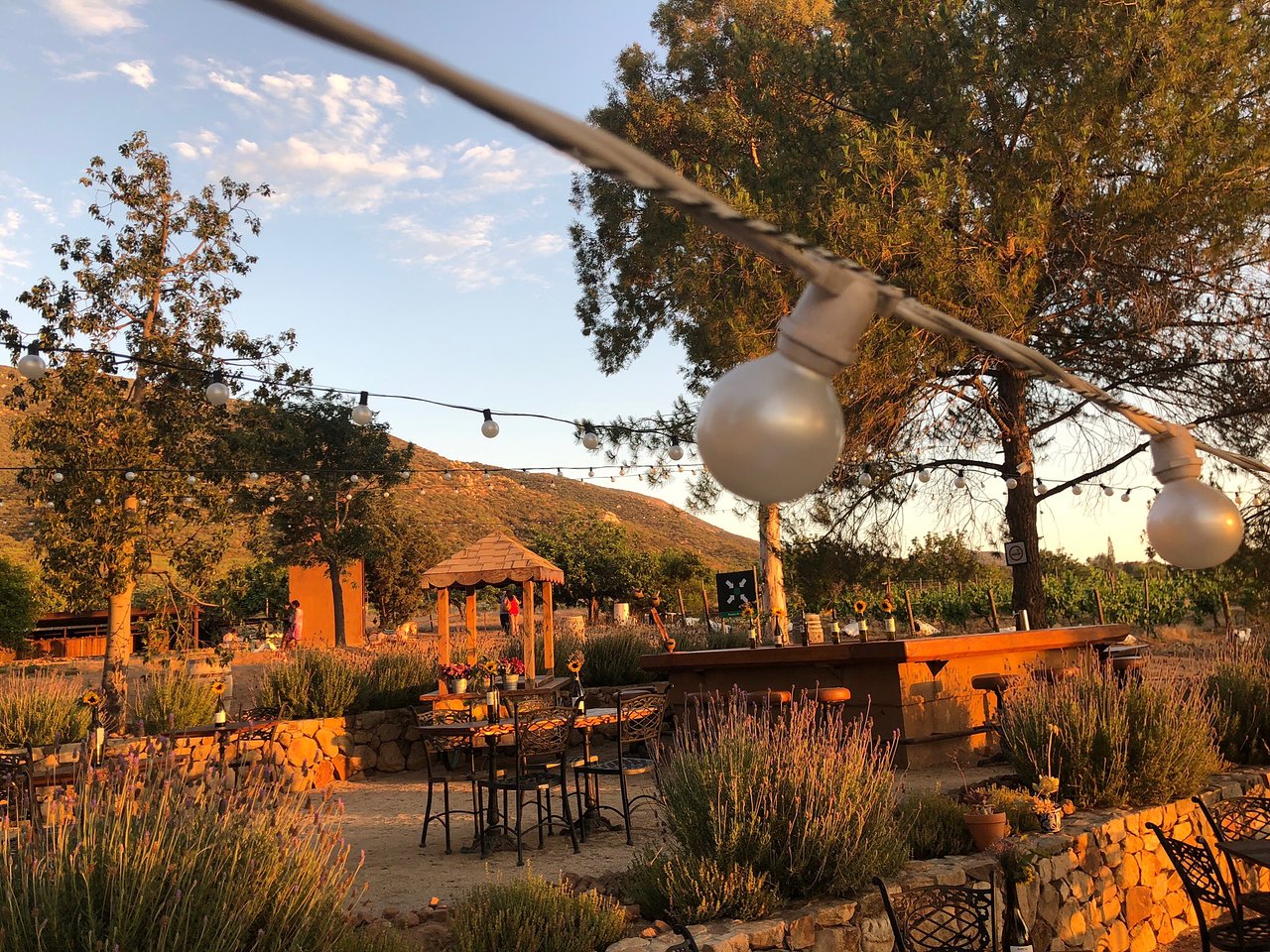
The food is particularly impressive. While many famous wine regions today live largely on prestige, much here feels remarkably uncomplicated. Ingredients often come directly from the surrounding area, menus follow the season, and the atmosphere is almost always relaxed. Even the best restaurants feel more like invitations than culinary productions. Perhaps that is exactly why so many visitors talk about the food first, and the wine second.
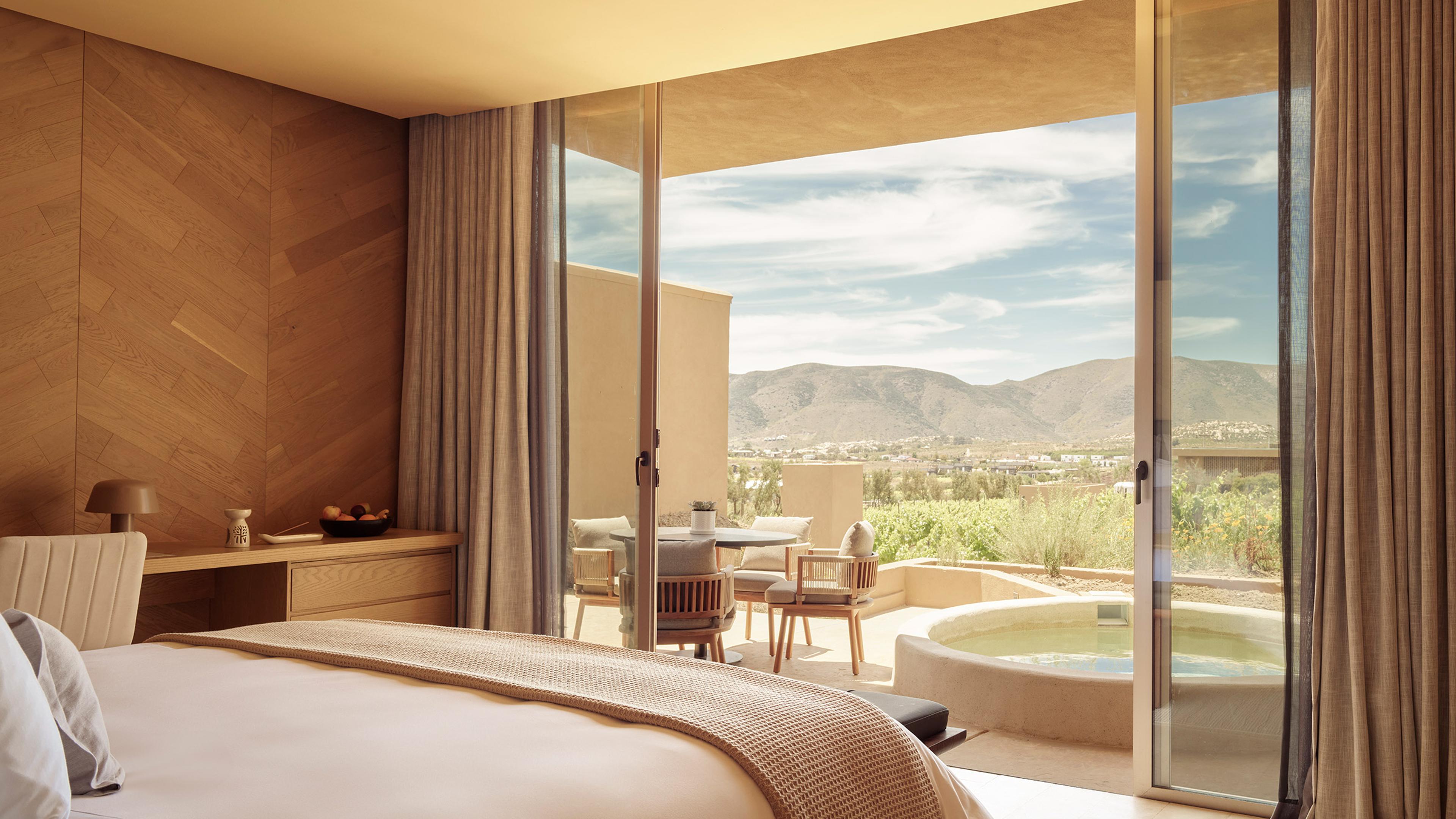
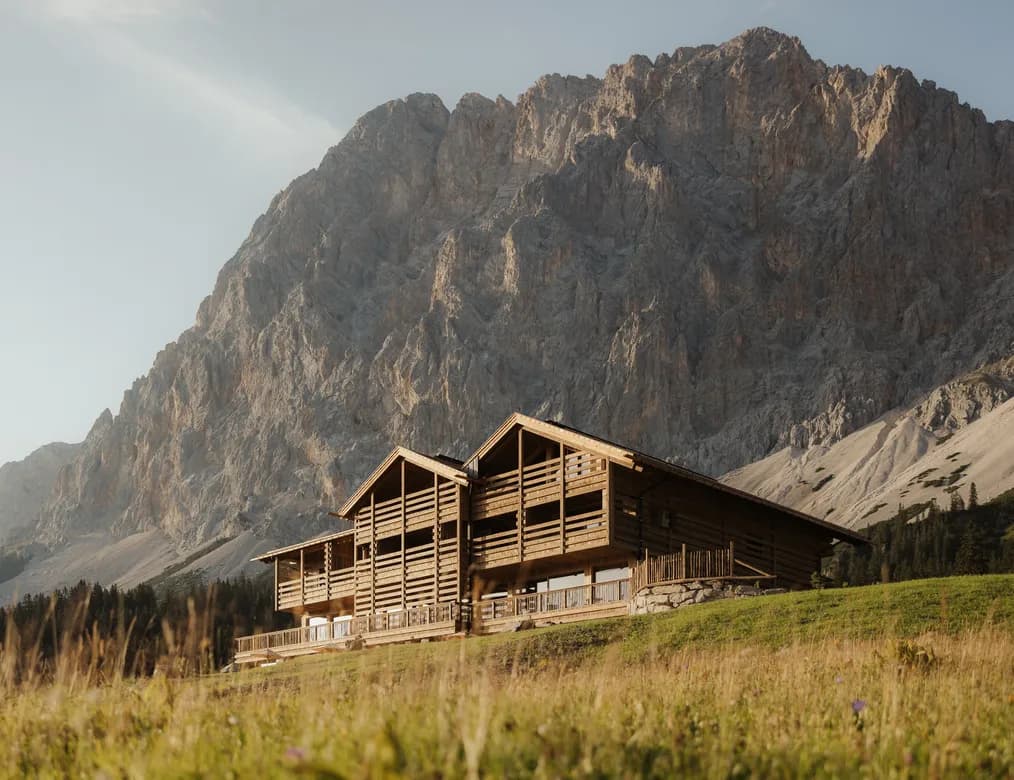
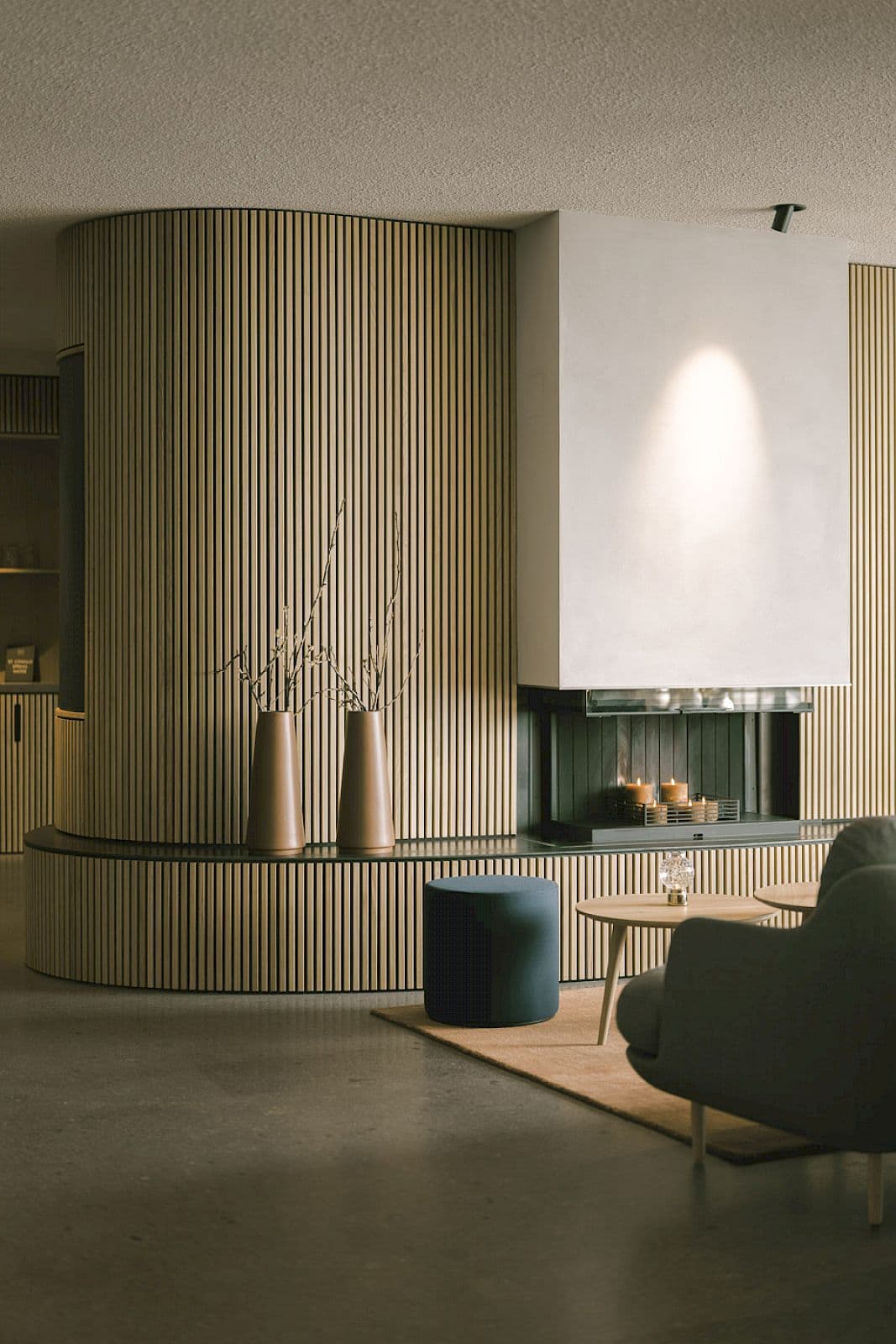
The hotels follow the same philosophy. The most interesting ones don't try to dominate the landscape. They open themselves to it. Large windows instead of grand gestures. Concrete, wood and natural stone instead of excessive decoration. Many of the best properties consist of just a few suites, set among vineyards and olive groves. You wake up looking out at the vines, drink your coffee on the terrace, and wonder for a moment why more places don't work this way.
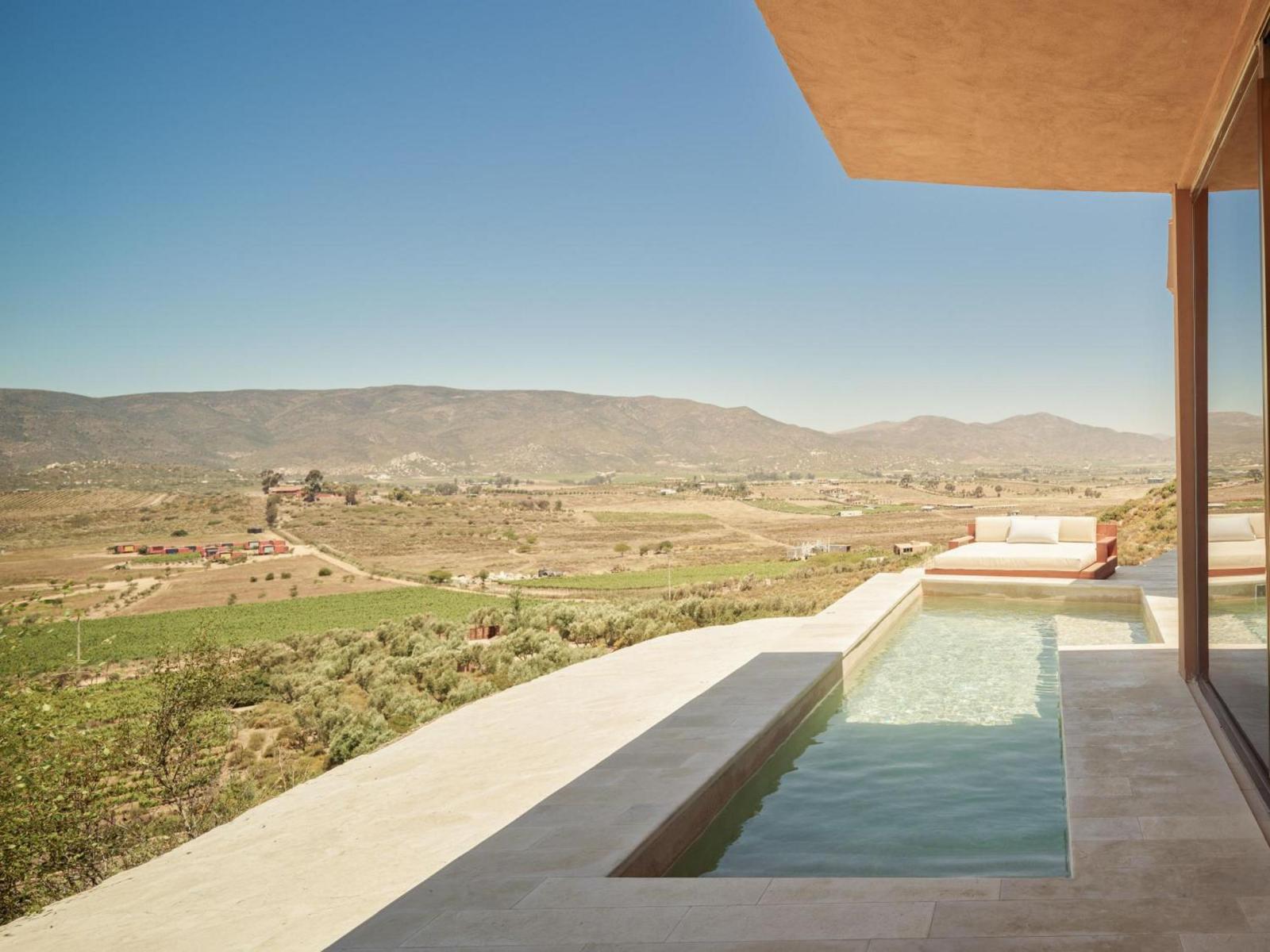
Valle de Guadalupe is no longer a secret. Yet the region still feels like a discovery. Perhaps because it has so far escaped the fate of many famous wine regions. Perhaps because here, people, food, landscape and architecture still seem more important than big names. Or perhaps simply because it is rare to find a place that tries so little to impress — and for exactly that reason leaves a lasting impression.
If we were to recommend a long weekend for wine lovers, design enthusiasts and people with a weakness for good restaurants, Valle de Guadalupe would be near the top of the list. Not because it is the Napa Valley of Mexico. But because it has become something of its own.