Opens the hotel’s booking page with 2 nights in this month. You book there.
Guide price per night for a double room for two, breakfast included. “–” means not known yet. Tap a month for details. As of October 2026, from sample dates in the hotel’s booking system. The hotel quotes the current rate. Climate: Copernicus ERA5-Land model values at the location, 2016–2025 average; rainy day = 3 mm or more.
Getting thereNearest airport Marrakech (RAK), about 35 min by carPlan flights
Nearest airportMarrakech RAK26 km, about 35 min by car · Route ↗
Flights for your trip
to MarrakechAdd your dates above and Google shows exactly your days.
Google Flights shows connections and current prices. A planning aid for you; CINCIN earns nothing from it. Driving times without traffic.
The walls are made of the garden they stand in.
Romain Michel-Ménière is a French-Swiss interior designer who has lived in Morocco since 2002. He worked on Kasbah Bab Ourika, Riad Mena & Beyond and Nomad before opening a place of his own in March 2017, on an old olive grove at the edge of Oumnass. His friends Karl Fournier and Olivier Marty of Studio KO helped design it; landscape designer Arnaud Casaus laid out the garden.
The lodge calls itself a love story between its owner, the village and the people who live there, and wants guests to discover Berber building, craftsmanship and customs. Marrakech is half an hour away, but the lodge is hard to find, so book a transfer.
01
From the garden’s own earth
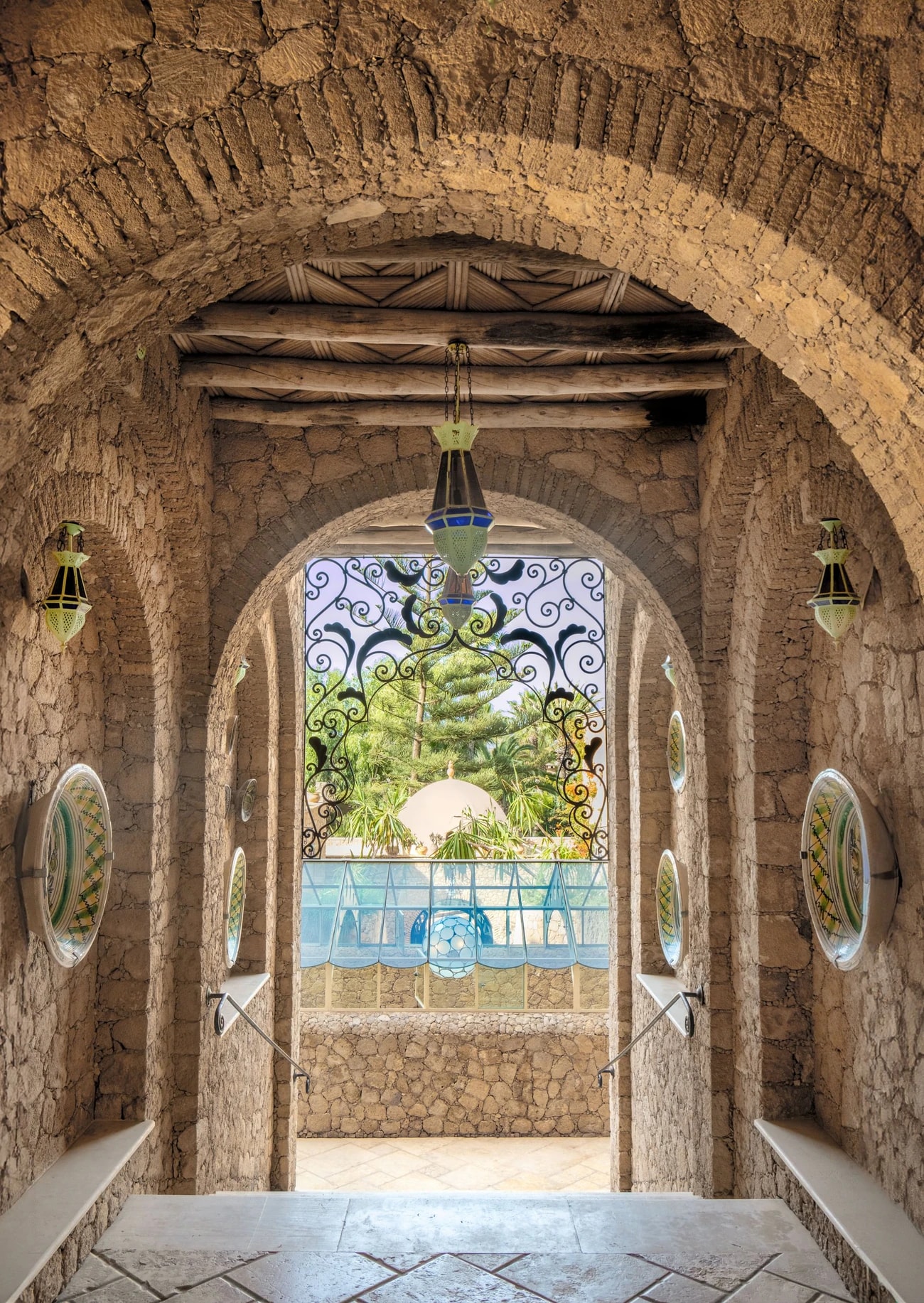
The walls are adobe, made from the earth of the grounds, and every one of the old olive trees was kept. The ceilings use local timber: eucalyptus, Atlas cedar, pine and wild bamboo. The terracotta floor tiles were made and fired for the lodge in a neighbouring village.
Rattan furniture, pottery and old Moroccan bridal chests share the rooms with twentieth-century design pieces, found in Morocco or handed down in the family. It is meant to feel like a family house.
02
A fireplace in every room
Every room has its own terrace and a fireplace; the Cabane Deluxe has a stove. Tichka and Saffran look onto the garden. Ayurt and Tigmi are larger, with a sitting area, a terrace facing the pool and a view of the Atlas. Superior III is the only suite on the first floor, and its covered terrace looks out to the mountains and the villages below them.
Families can take one of the three Deluxe lodges with an extra bed, the Family Lodge with two bedrooms and a shared bathroom, or the Cabane Deluxe: a freestanding house with a bedroom, a living room and its own garden. An adjoining annex can accommodate additional guests.
03
Whatever the market has
There is no menu to choose from. A team of four, two of them cooks, prepares one set meal a day, mostly Moroccan and sometimes Mediterranean, depending on what the market has. Some of the vegetables come from the lodge’s organic garden. Every guest is asked beforehand about preferences and allergies.
The bar makes its own ginger and rosemary syrups. The cocktail list includes a Lavender Whiskey Sour and an Espresso Martini for two. The wine is organic and comes from Val d’Argan near Essaouira.
04
Several old gardens
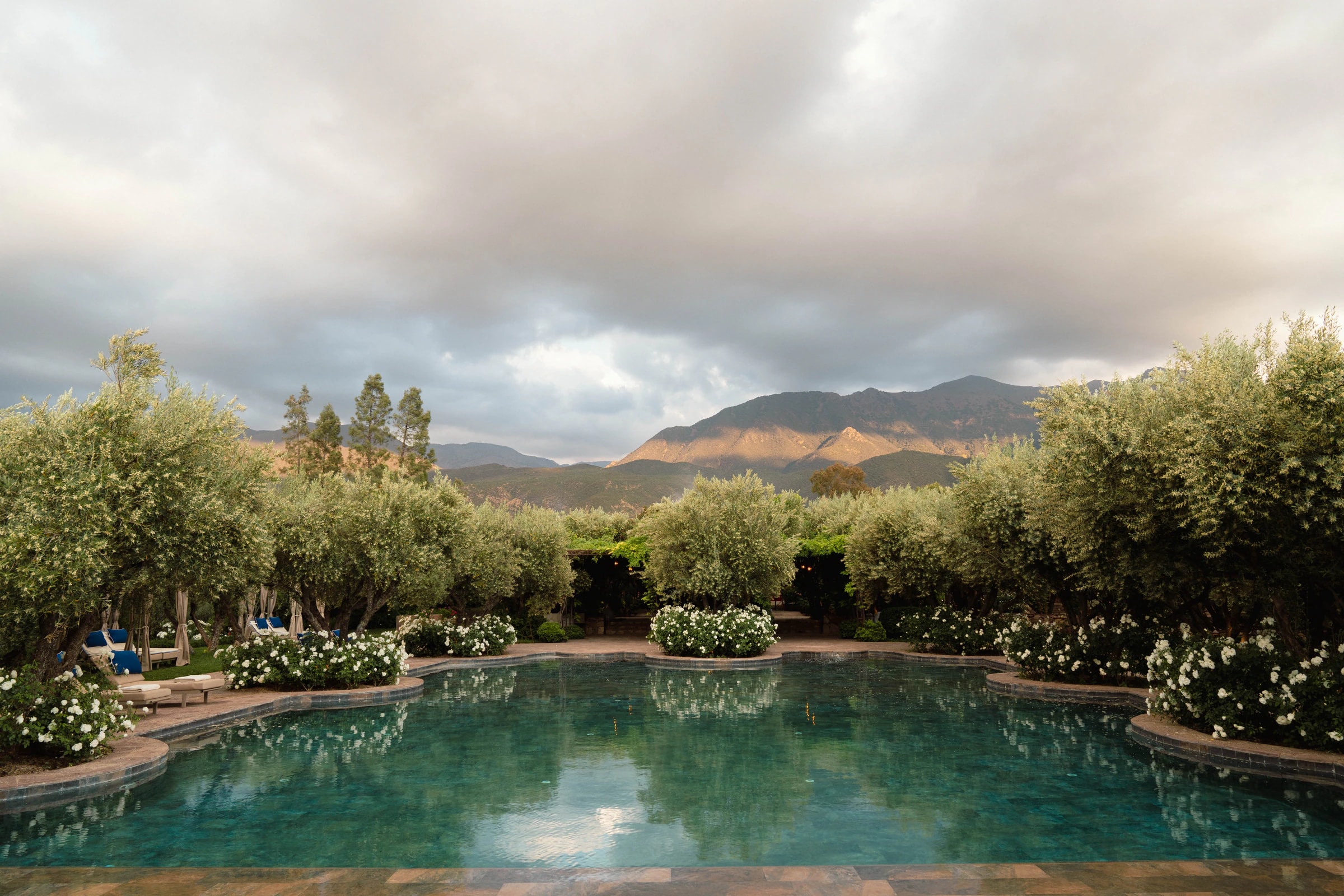
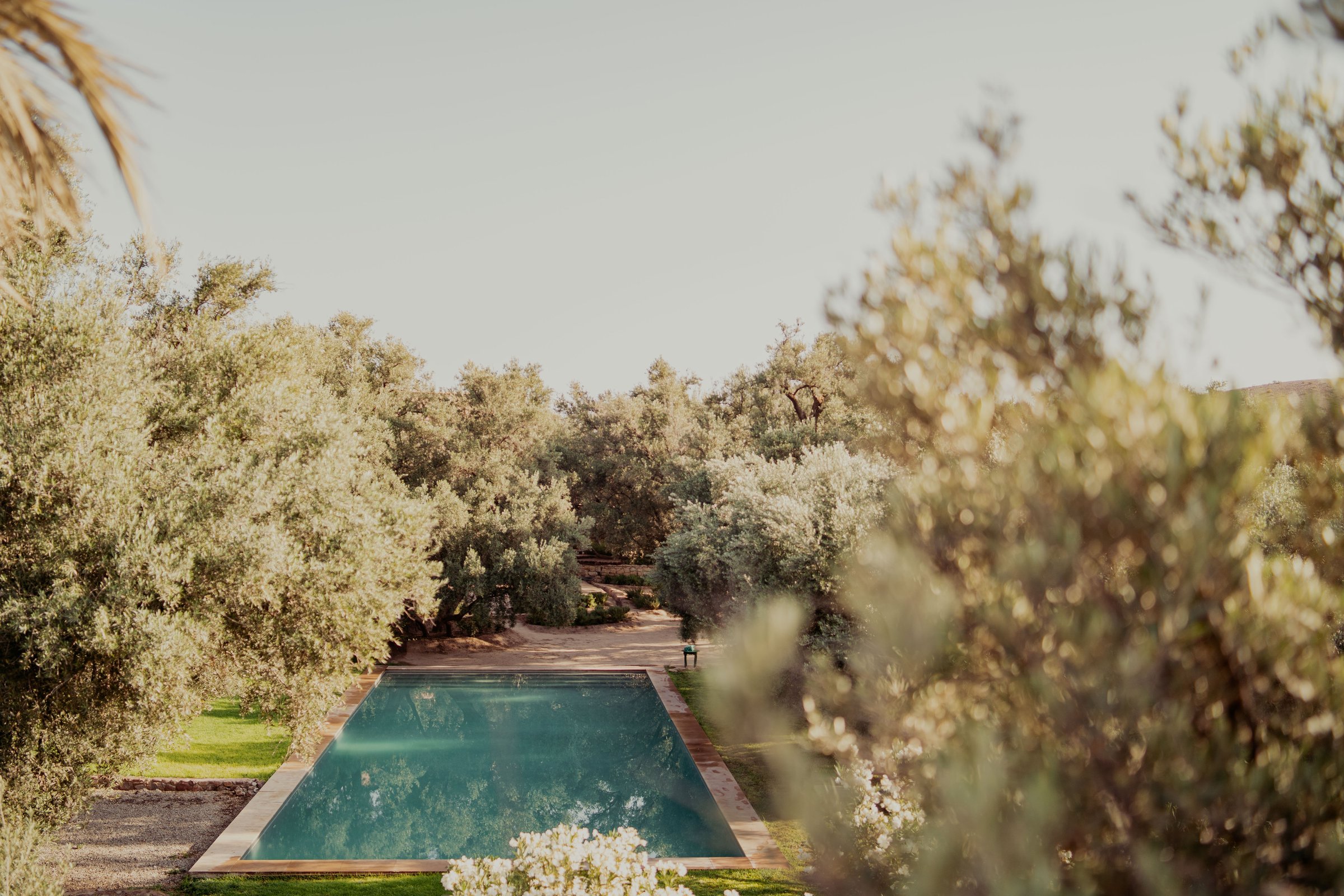
The grounds cover several hectares and join up several old gardens, with century-old olive trees, herb beds and organic vegetable plots. Most of what has been planted since is native to the Moroccan landscape.
In the middle, among the olive trees, is the pool: 20 metres long and 7 metres wide.
05
Outings recommended by guests
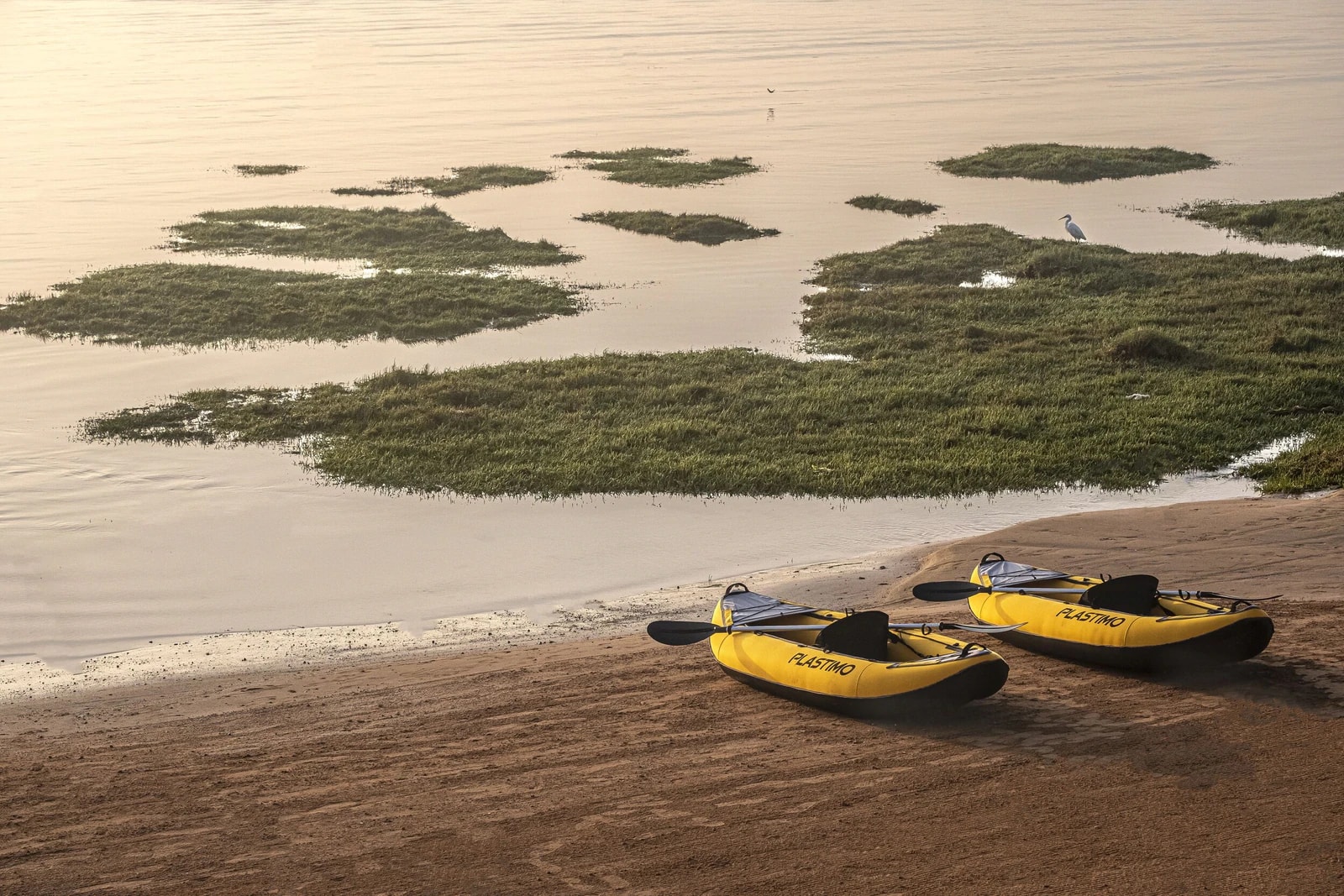
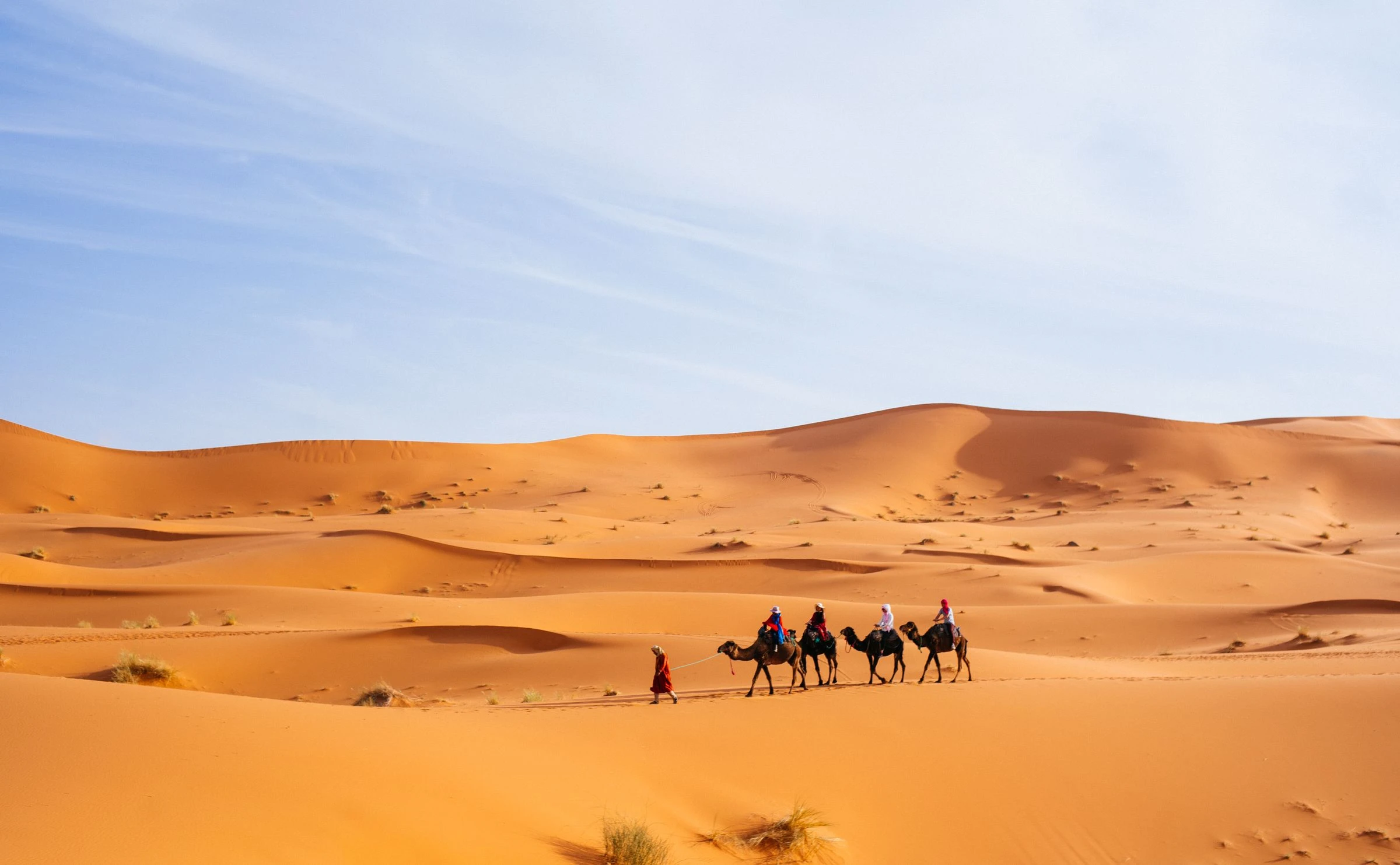
The lodge shares recommendations from previous guests; excursions are run by independent local providers. One is a weaving workshop, Art Tissage TAM, which sells towels, bath sheets and handmade clothes. For a ride by Lake Lalla Takerkoust or in the Agafay desert, a taxi collects you at around half past nine, and a guide and lunch are included. For the Ouirgane valley, the suggested loop goes out via Amizmiz and back via Asni, Tahnaout and the Kik plateau.
Images
All images.
A tip from Berber Lodge
Kasbah Bab Ourika
Lunch or dinner at Kasbah Bab Ourika is also among the suggestions, and Romain Michel-Ménière worked on the house. The kasbah stands on a hilltop above the Ourika valley, about 45 minutes from the lodge. Its restaurant welcomes outside guests for lunch and dinner, with vegetables from its own organic gardens and the markets in the valley. Ourika valley, Tnine Ourika.
Researched from the hotel’s official information, editorially checked on 6 October 2026. We do not claim to have stayed here. Prices and availability directly from the hotel.
A camp in a small oasis in the Agafay stone desert, running for almost 20 years. Lunch is Moroccan, served in a Berber tent facing the Atlas peaks; dinner is outdoors under an open sky, with vegetarian menus on request.
For
A long lunch out in the stone desert
Good to know
Open all year; book a table ahead. Set menu: 500 dirhams per person at lunch, 600 at dinner; the camp's activities are open to anyone eating there.
White tents among the Agafay hills, looking out to the Atlas. Day visitors come by reservation: Moroccan salads and grilled chicken, vegetable and kefta skewers at lunch; salads and two tagines with raisin couscous at dinner.
For
Lunch with a swimsuit in your bag
Good to know
Reservation only; open all year, Ramadan included. Menus can be made vegetarian or gluten-free.
A small hotel and restaurant on the shore of Lalla Takerkoust lake, with tables under olive trees looking across the water to the Atlas. The menu is French bistro cooking – carpaccio, house terrine, Dakhla oysters, entrecôte – alongside Berber chicken couscous.
For
Lunch by the lake
Good to know
Open daily. Restaurant guests may use the garden pools; the heated pool (November to March) is for hotel guests only.
A brasserie in the 1920s post office building of the Ville Nouvelle, restored by Studio KO with its wooden staircases, shutters and ceiling fans intact. Breakfast with fresh orange juice in the morning, then Oualidia oysters, steak tartare and lemon tart on the palm-shaded terrace.