Zabola and Szeklerland: day trips, getting there and when to go in Covasna County
A crater lake, a peat bog, a sulphur cave, a spa town and two fortified churches: what to see in Szeklerland from a base at Zabola, how long the drives take, how to get there and when to go.
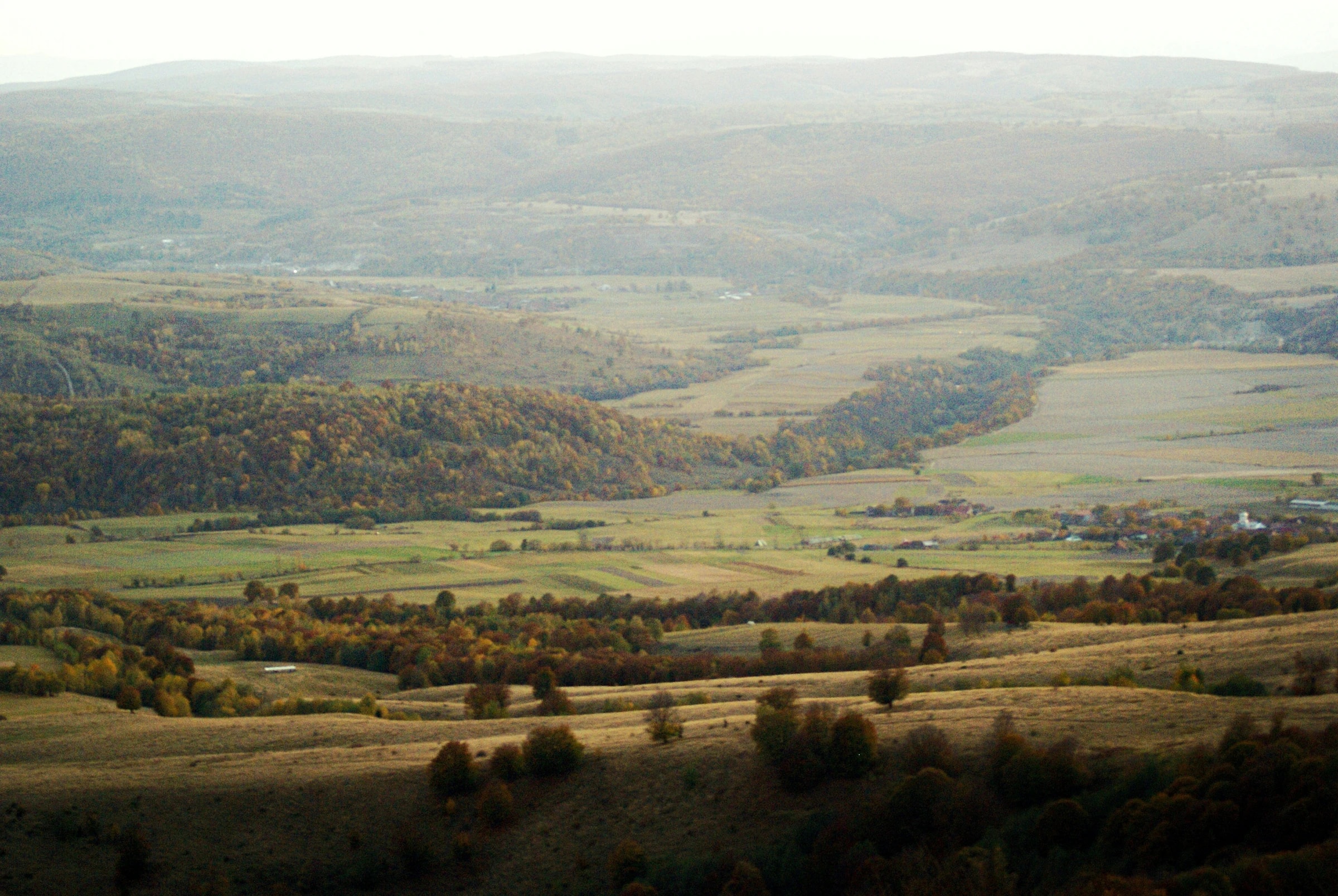
Szeklerland lies in eastern Transylvania, inside the curve of the Eastern Carpathians. Covasna County is part of it: forests, mineral springs and gas vents left by extinct volcanoes, small spa towns and villages. Within roughly an hour's drive you will find a crater lake, a raised bog, a ruined castle, a sulphur cave and two of Transylvania's best-known fortified churches. Brașov, the nearest city and the nearest airport, is about the same distance away.
This is a practical guide to the area: which places are worth the trip, how long the drive takes from Zabola Estate in Zăbala, how to get there, when to come and how many days to allow. The estate itself, its houses, kitchen and horses, is covered in our portrait Zabola: an estate that is lived in. Here, Zabola is simply the place you set out from.
The Székelys are a Hungarian-speaking people with a regional identity of their own. Covasna and Harghita, its neighbour to the north, are the only two counties in Romania without an ethnic Romanian majority. In Zăbala, just under two thirds of residents described themselves as Hungarian in the 2021 census, and just under a fifth as Romanian.
In practice, you will mostly hear Hungarian in the street, the official language is Romanian, and almost every place has two names. Zăbala is Zabola in Hungarian, Sfântu Gheorghe is Sepsiszentgyörgy, Covasna is Kovászna, Turia is Torja, and Lake Saint Ana is Lacul Sfânta Ana or Szent Anna-tó. Knowing both versions makes road signs, maps and conversations easier.
Zabola sits on the eastern edge of the basin, about six kilometres south of the spa town of Covasna. Most places in this guide are 45 to 75 minutes away by car. Driving times in this guide come from a route planner based on OpenStreetMap data, without traffic or stops, rounded to the nearest five minutes.
Lake Saint Ana and the Mohoș bog
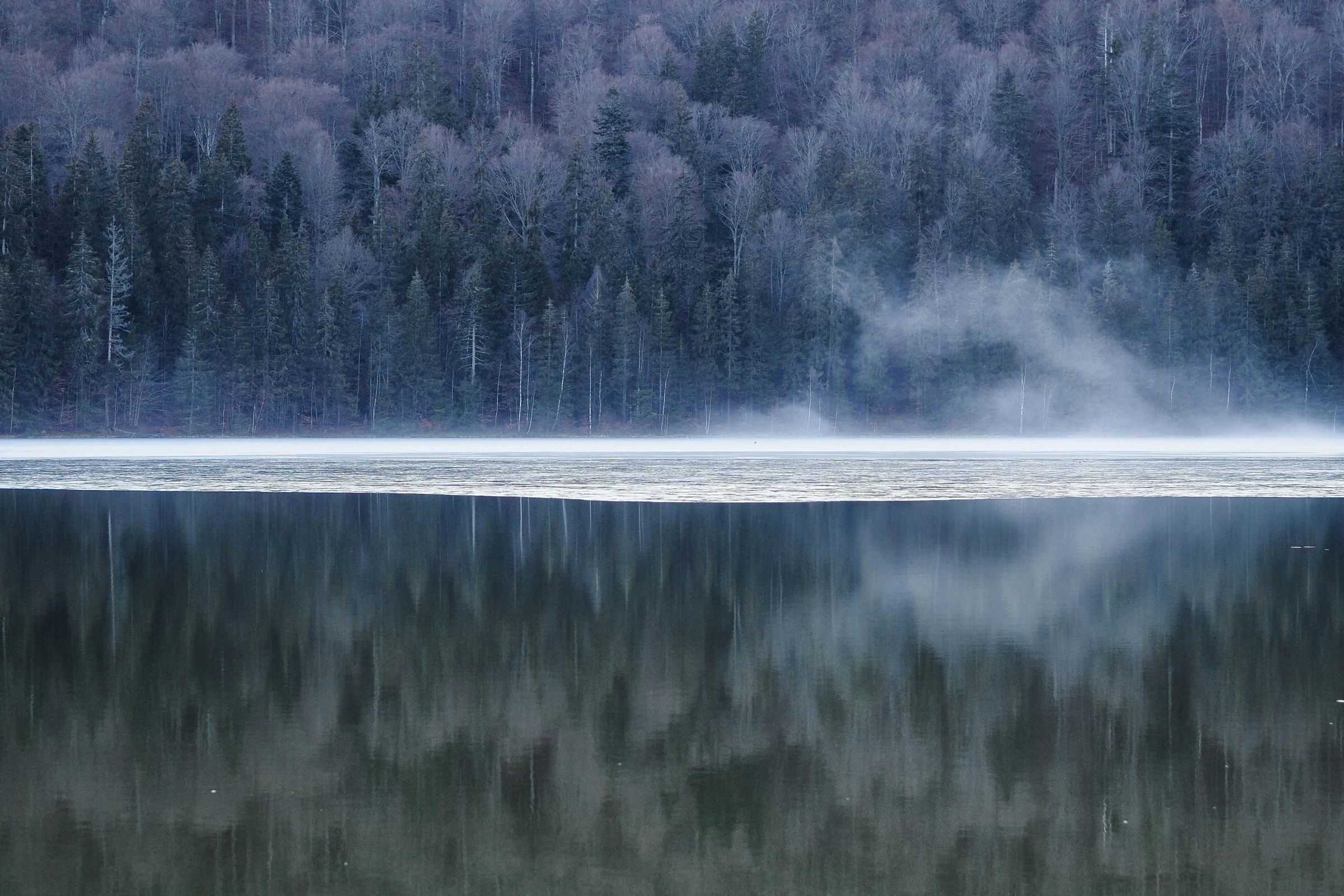
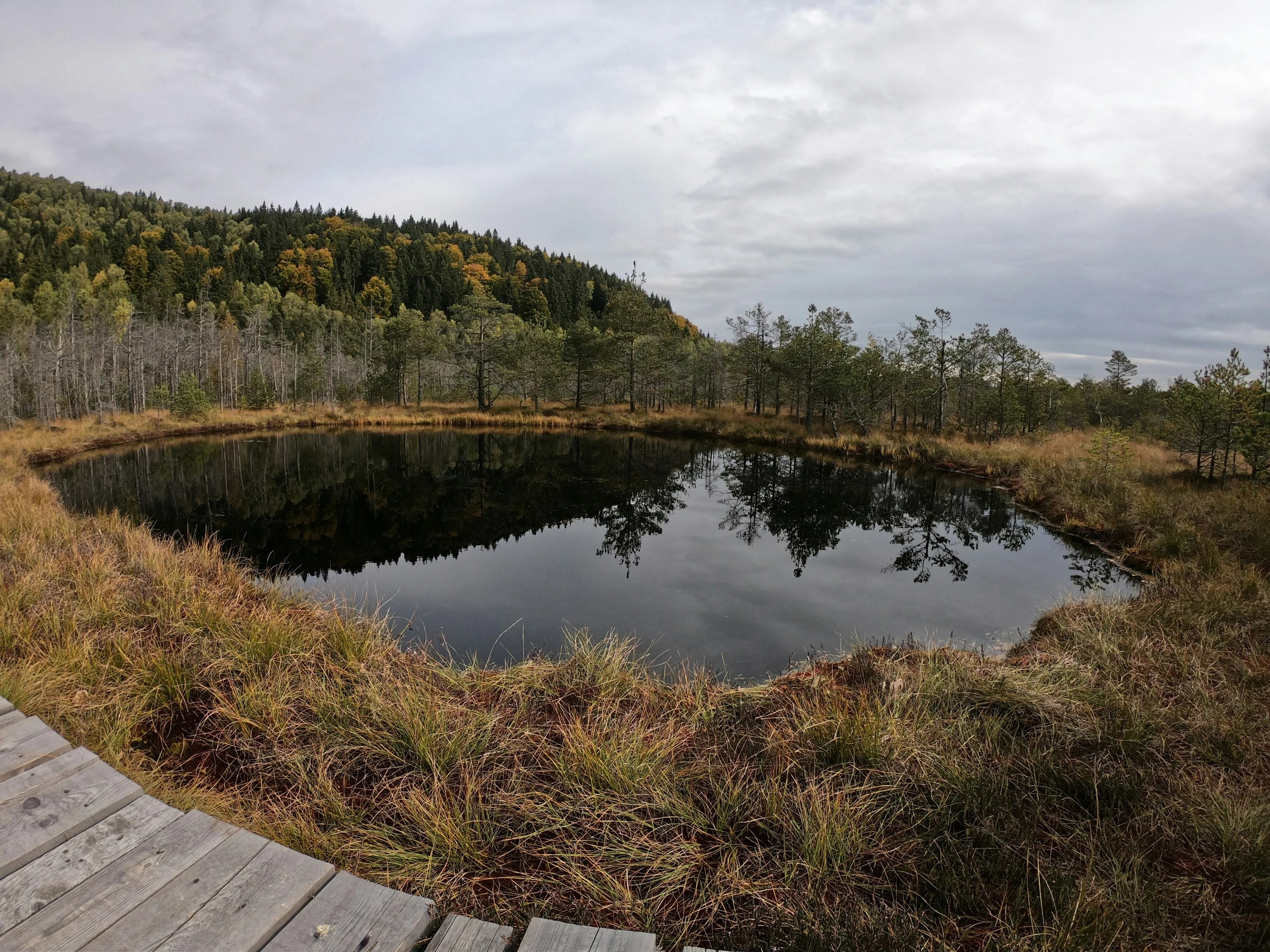
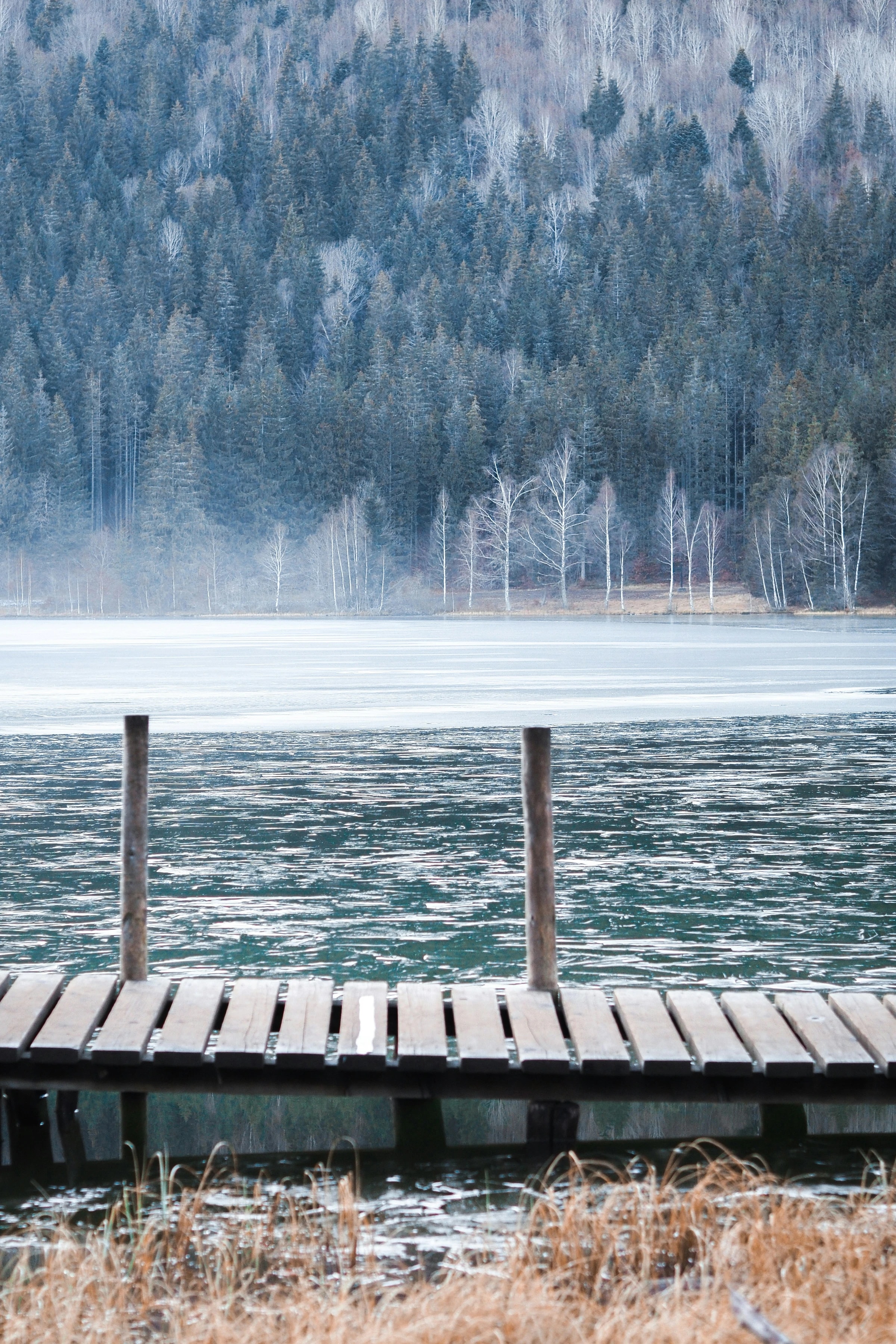
The best-known outing heads north into the Csomád mountains, just across the county line in Harghita. The Ciomatu volcano has two craters. One holds Lake Saint Ana, at around 950 metres, fed only by rain and snow and therefore very low in minerals. The other has filled with the Mohoș bog, a raised bog of about 80 hectares that you cross on a boardwalk and must not leave.
Swimming in the lake has been banned in general since April 2018. You come to look and to walk: once around the shore, then across to the bog. According to Harghita County's tourism portal, a single day ticket covers the lake, the bog and the visitor centre, with the first three hours of parking included (as of October 2026). Allow two to three hours for the lake and the bog together.
From Zabola the bog is about 50 minutes by car and the lake about 1 hour 10 minutes. If you would rather walk in, a trail marked with a red cross runs from Băile Tușnad to the lake in about an hour and a half, and one marked with a yellow cross from Băile Bálványos takes about three hours.
Bálványos: a ruined castle and a sulphur cave
On the way to the lake you pass the small spa of Băile Bálványos near Turia. Above it, on a steep hill at 1,056 metres, stand the ruins of Bálványos Castle, recorded in 1360 as Castrum Balwanus and linked to the noble Apor family. What survives is mainly the stump of its square keep. According to the local spa, a yellow-marked path climbs up from Băile Bálványos in about an hour.
A few kilometres away is the Büdös cave, Peștera Puturosu in Romanian: an old sulphur-mine gallery from which gas pours out in large volumes, mostly carbon dioxide with hydrogen sulphide. A yellow line of sulphur on the wall shows how high the gas reaches. Covasna County's tourism portal advises not to bend below that line, to stay no longer than ten minutes and to go in only when well rested; the back of the cave is closed off with bars. The gas is heavier than air and pools near the ground, so keep children close.
Băile Bálványos is about 45 minutes' drive from Zabola. With an early start, the castle, the cave and the lake fit into one day.
Covasna: mofettes and Fairies' Valley
Covasna is the nearest town, about ten minutes from Zabola. It has been a spa since the 1880s and is known today mainly for cardiovascular treatment. There are two reasons to go: the mofettes, dry gas baths of natural carbon dioxide run by the spa hotels, and a walk. In the middle of town the Pokolsár mud volcano, Balta Dracului in Romanian, bubbles away under a metal grille; it is the town's emblem. On the edge of town the wooded Fairies' Valley, Valea Zânelor, leads to the waterfall below the Planul înclinat, an inclined plane built for the old forest railway in the late 19th century. Half a day covers the town and the valley.
The fortified churches of Prejmer and Hărman
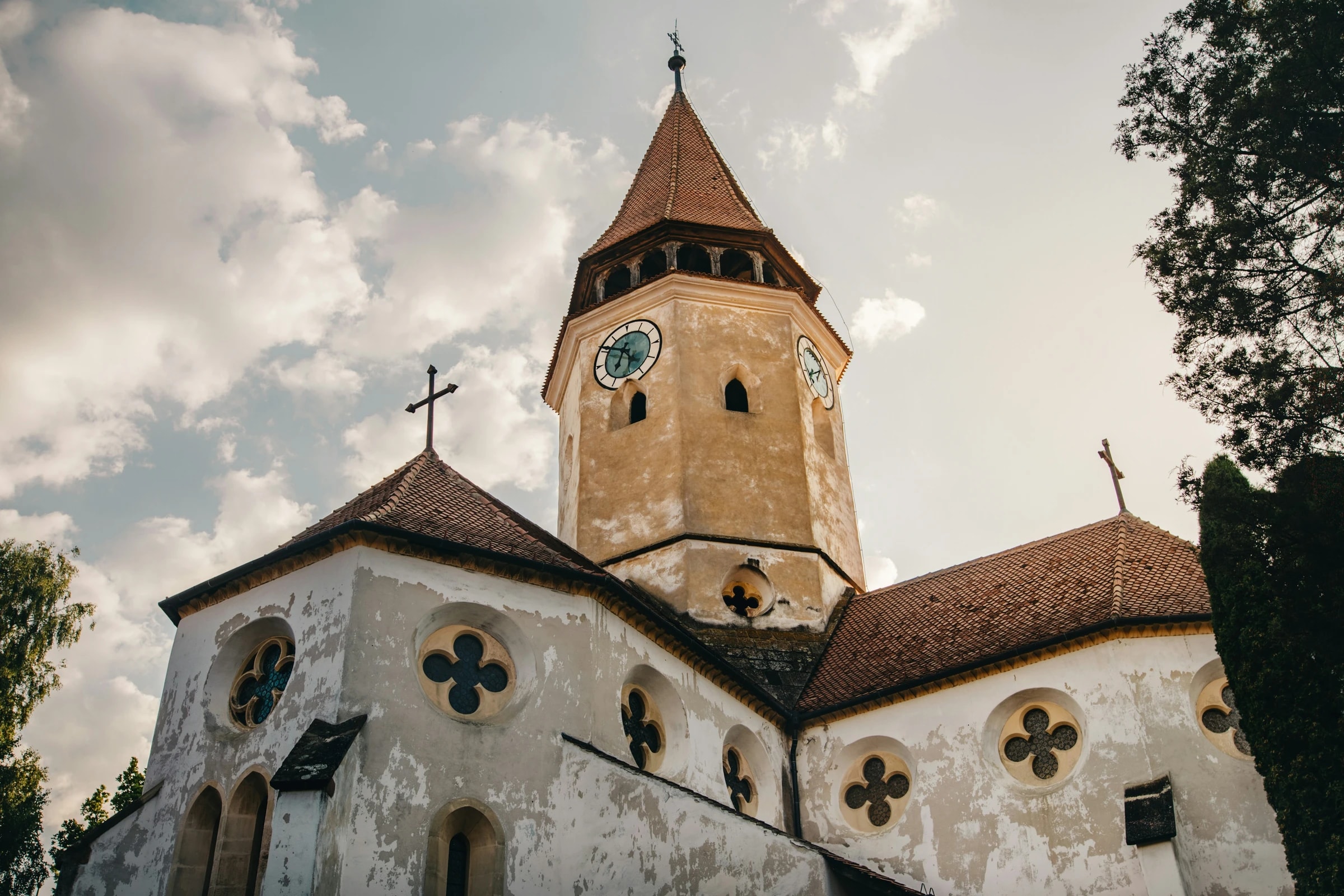
West of Sfântu Gheorghe, the county town, lies the Burzenland, with its villages built by the Transylvanian Saxons. The fortified church at Prejmer, Tartlau in German, has been part of the UNESCO World Heritage site of villages with fortified churches in Transylvania since 1999. It goes back to the Teutonic Knights, who began the church in 1218. Its ring wall, up to 14 metres high, holds around 270 rooms on four levels where villagers sheltered during raids. According to its website it opens from 1 April to 15 October, Monday to Saturday 9am to 5.30pm and Sunday 11am to 5.30pm, and otherwise daily 9am to 4pm (as of October 2026).
A few kilometres on is Hărman, Honigberg in German. The church dates from the 13th century, and a chapel in its tower holds wall paintings from the 15th century. Guided tours in German, English and Romanian are booked in advance. According to its website it opens April to October, Monday to Saturday 9am to 6pm and Sunday 10am to 6pm, and November to March daily 10am to 4pm (as of October 2026). Both fortified churches are about an hour's drive from Zabola; together they make a good day out, or you can stop on the way from Brașov airport.
Seeing bears, the right way
Brown bears live in the forests of the Eastern Carpathians, and Romanian authorities regularly warn visitors about encounters. If you want to see one, do not try at the roadside; go with a guide. Zabola runs a ranger-led outing: a short drive by Land Rover, a walk to a hide in the forest, two to three hours in all, from the age of eight, at most eight guests, until the first snow. A sighting is not guaranteed. Book in advance with the estate.
On walks, follow the rules published by parks such as Bucegi Natural Park: go in groups, make noise, store food securely, never feed a bear or walk towards one, and do not run if you meet one. Drive slowly on country roads in the evening, and if you see a bear, stay in the car.
Where to stay: Zabola as your base
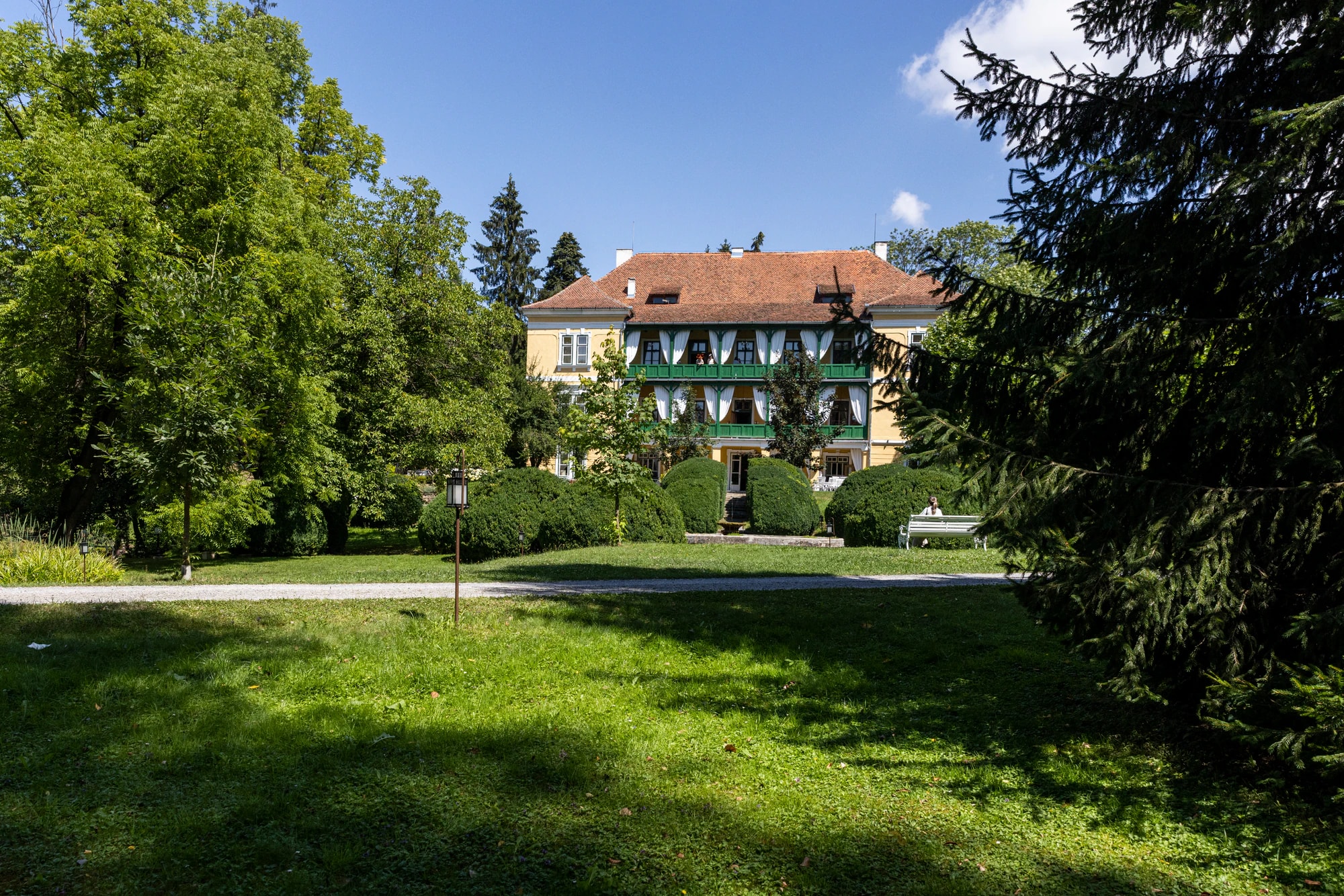
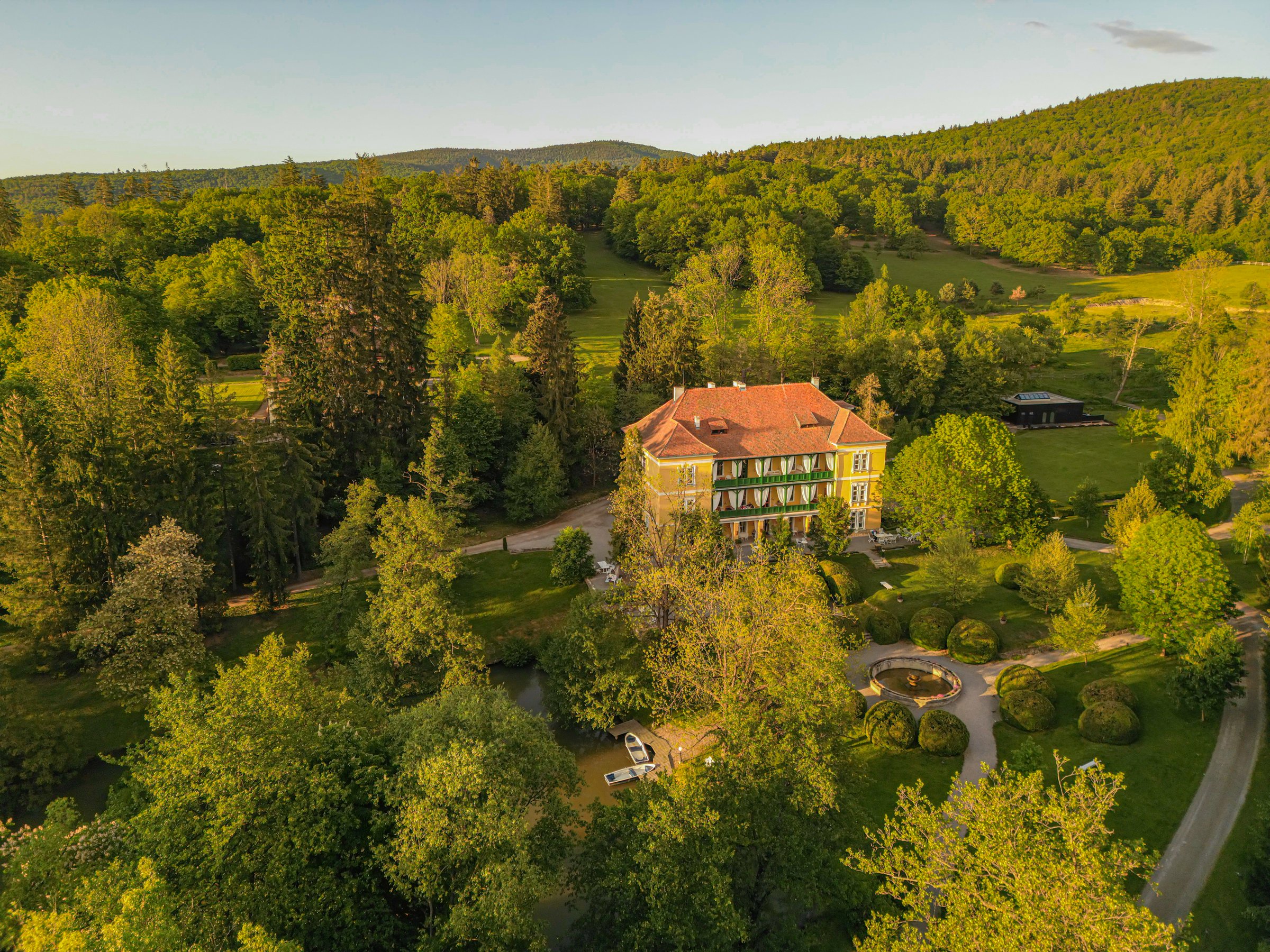
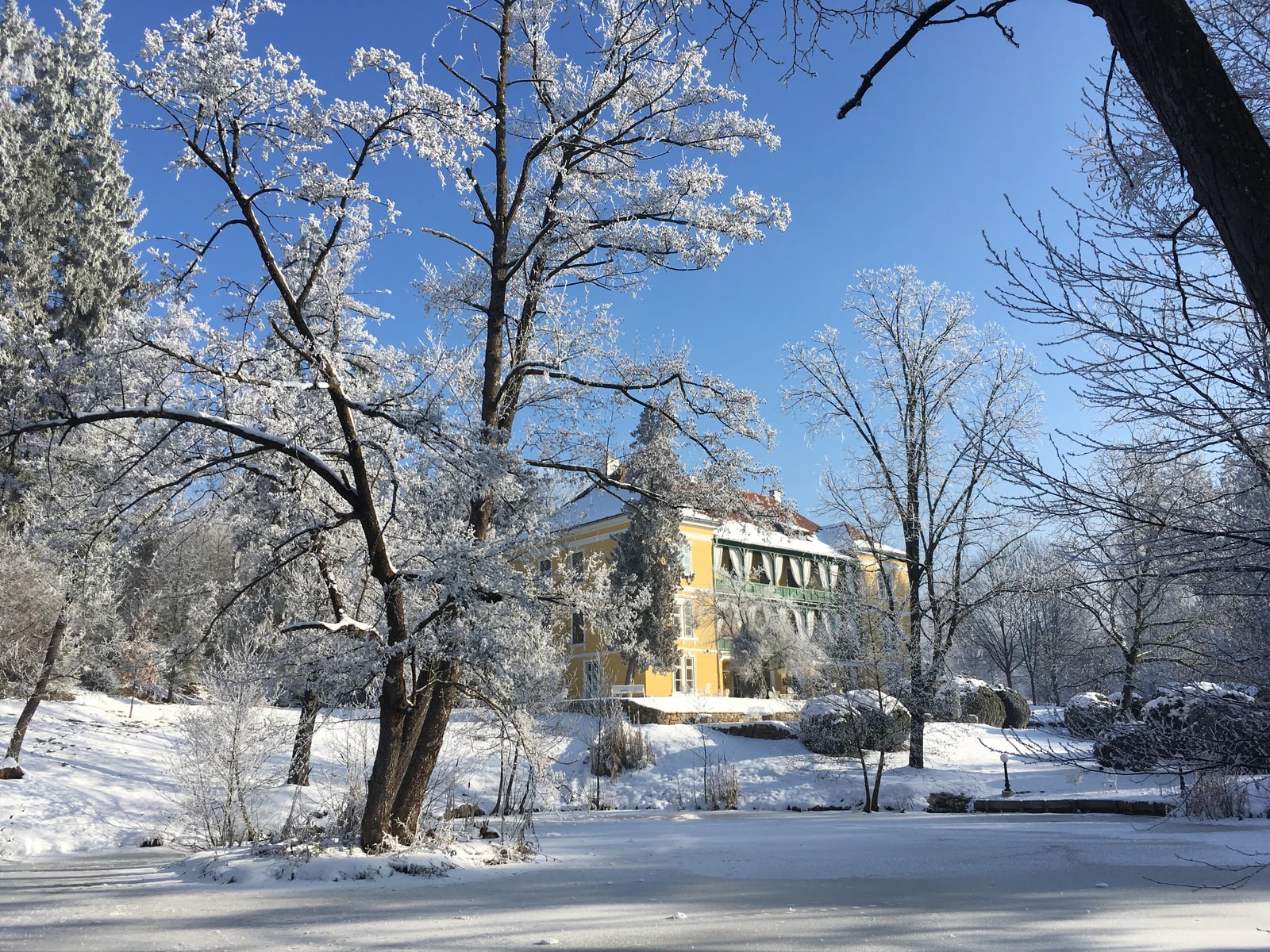
For this part of Transylvania we recommend Zabola Estate. It is close enough that Covasna is ten minutes away and most places are within an hour, and it serves dinner on site, so nobody has to drive out again after a day of sightseeing. Guests stay in several historic houses set in a park of around 50 hectares.
Days without a drive are spent on the estate: walking in the park, riding or in the forest sauna. The details are in our portrait of the house.
Getting there
Three airports are worth considering, with distance and pure driving time to Zabola:
- Brașov-Ghimbav, opened in June 2023: about 70 km and 1 hour 15 minutes, served mainly by Wizz Air, including flights from Dortmund and London Luton.
- Bucharest Henri Coandă at Otopeni: about 211 km and 3 hours 40 minutes, with the most connections, among them Lufthansa from Frankfurt and Munich, Austrian from Vienna and Swiss from Zurich.
- Târgu Mureș: about 220 km and 4 hours, served by Wizz Air from Dortmund, Memmingen, Nuremberg, Basel and London Luton, among others.
Once there, a hire car is the practical choice, since the places in this guide are scattered across valleys and passes. If you land in Brașov, you can visit Prejmer and Hărman on the way to Zabola.
When to go and how long to stay
For most places, April to October works best. The fortified churches keep longer hours, the trails around Lake Saint Ana and Bálványos are free of snow, and the bear-watching at Zabola runs until the first snowfall.
Winter is quieter. The fortified churches open for shorter hours, but Covasna with its mofettes and the forest sauna at Zabola are reasons to come at any time of year. If you travel in winter, expect snow on the mountain roads.
For a first visit, four nights is a good frame: one day for Lake Saint Ana, the bog and Bálványos, one for the fortified churches of Prejmer and Hărman, half a day for Covasna, and time on the estate. At a slower pace, with more time on the estate, five or six nights also work well. If you want to see more of Transylvania, make Zabola the quiet part of a longer trip.
Sources (27), checked 1 October 2026
- Zabola Estate: Startseite (Park, Landschaftsgebiet)
- Zabola Estate: The Wildlife Hide
- Zabola Estate: Accommodation
- Zabola Estate: Restaurant
- Zabola Estate: Forest Sauna
- Small Luxury Hotels: Zabola Estate (Flughafenentfernungen)
- Wikipedia: Zăbala (Bevölkerung 2021, Lage zu Covasna)
- Wikipedia: Covasna County (Bevölkerung, Szekler)
- Wikipedia: Lake Sfânta Ana
- Szent Anna-tó / Mohos: offizielle Seite (Lage, Wanderwege)
- Visit Harghita: Lake Saint Anne
- Visit Harghita: Mohoș Bog (Ticket, Parken, Bohlenweg)
- Wikipedia: Bálványos Castle
- Băile Balvanyos: Drumeții (Wanderwege, Gehzeiten)
- Visit Covasna: The Puturosu Cave (Mofette, Verhaltensregeln)
- Wikipedia: Covasna (Kurort, Pokolsár)
- Turism Covasna: Mofetten der Kurhotels
- Primăria Covasna: Obiective turistice
- Kirchenburg Prejmer: offizielle Website (Öffnungszeiten, Geschichte)
- Wikipedia: Villages with fortified churches in Transylvania
- Kirchenburg Hărman: Visiting (Öffnungszeiten, Führungen)
- Wikipedia: Brașov-Ghimbav International Airport
- Wikipedia: Henri Coandă International Airport
- Wikipedia: Târgu Mureș International Airport
- Naturpark Bucegi (RNP Romsilva): Bear awareness
- OSRM-Routenplaner auf OpenStreetMap-Daten (Fahrzeiten, Entfernungen)
- OpenStreetMap / Nominatim (Koordinaten)