For a long time, luxury hotels followed a familiar formula.
Build bigger. Build higher. Build something impossible to ignore.
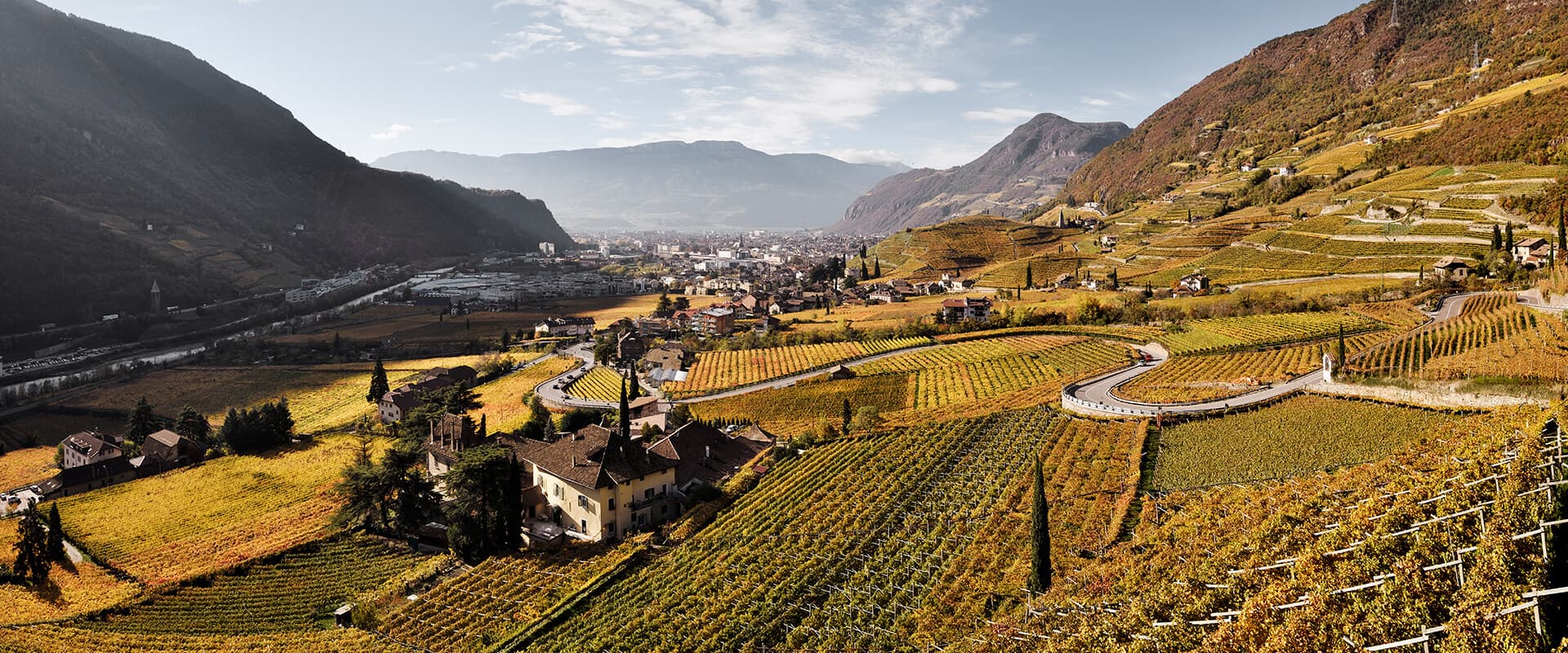
And yet some of the most memorable hotels today are doing the exact opposite. They're disappearing — into forests, into mountainsides, into vineyards, into landscapes that were already beautiful long before the first guest arrived.
Because the most interesting hotels aren't trying to become the destination. They're trying to become part of it.
Die Aussicht ist nicht das Highlight
Das Gebäude verschwindet. Was bleibt, ist das Gefühl.
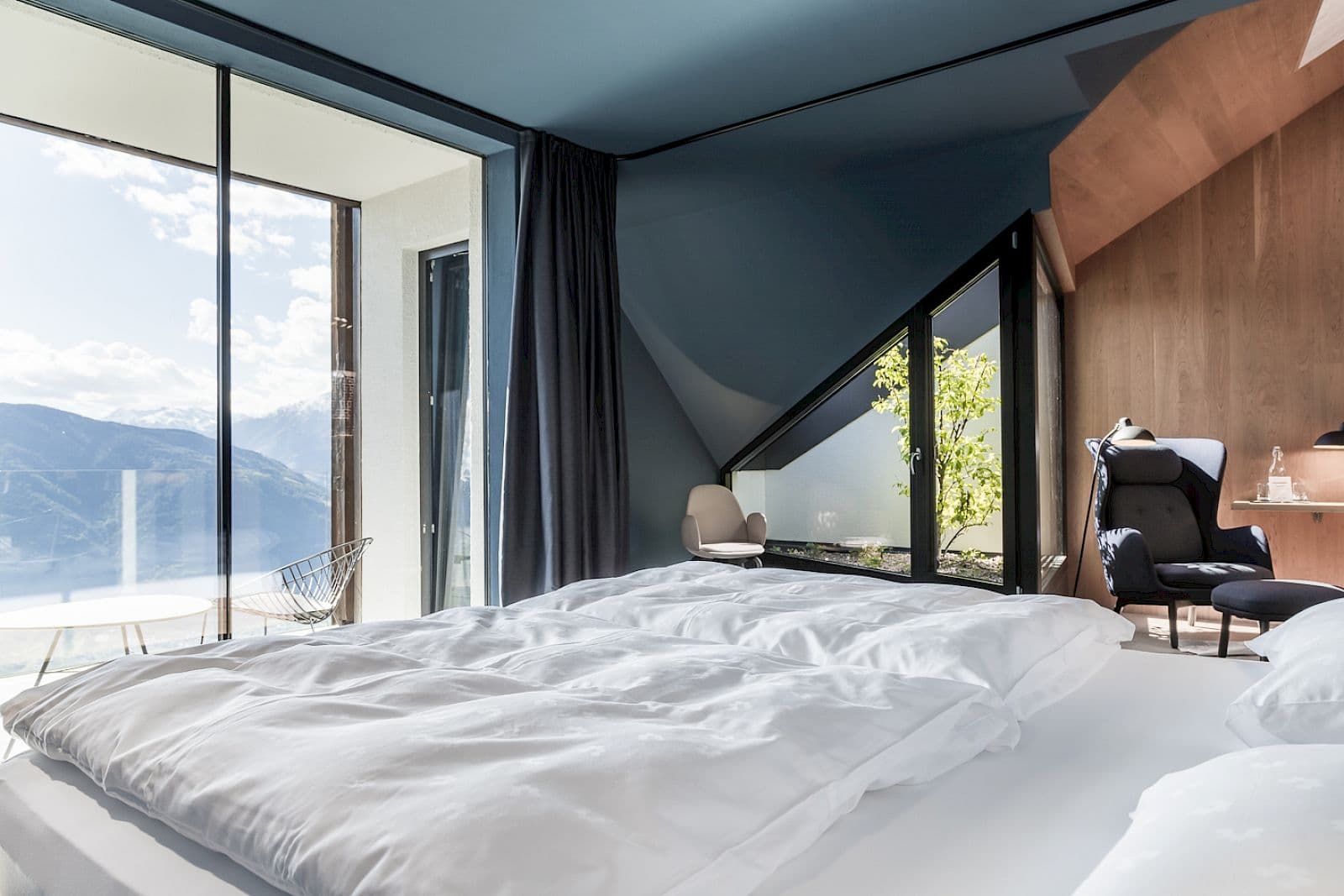
Many hotels talk about their views. The best nature hotels are built around them.
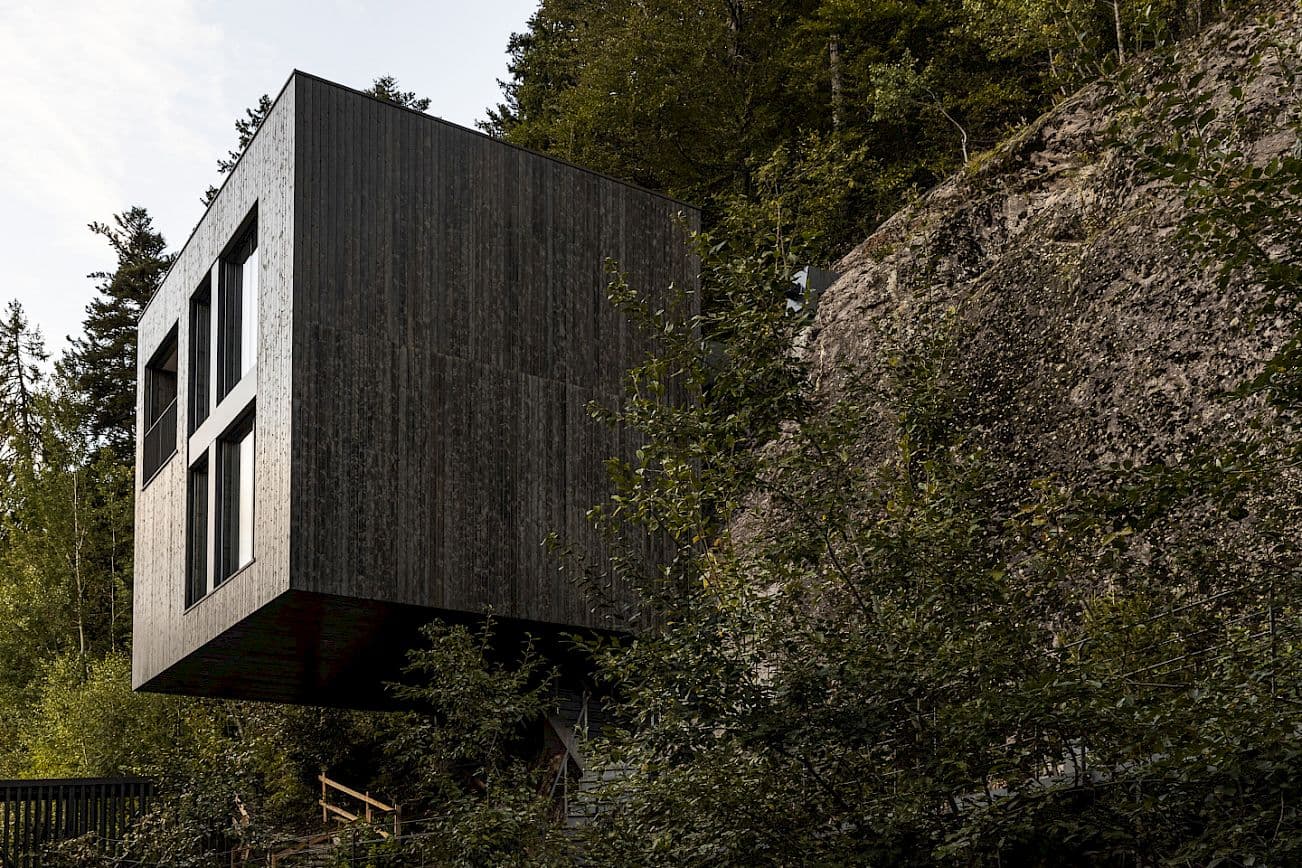
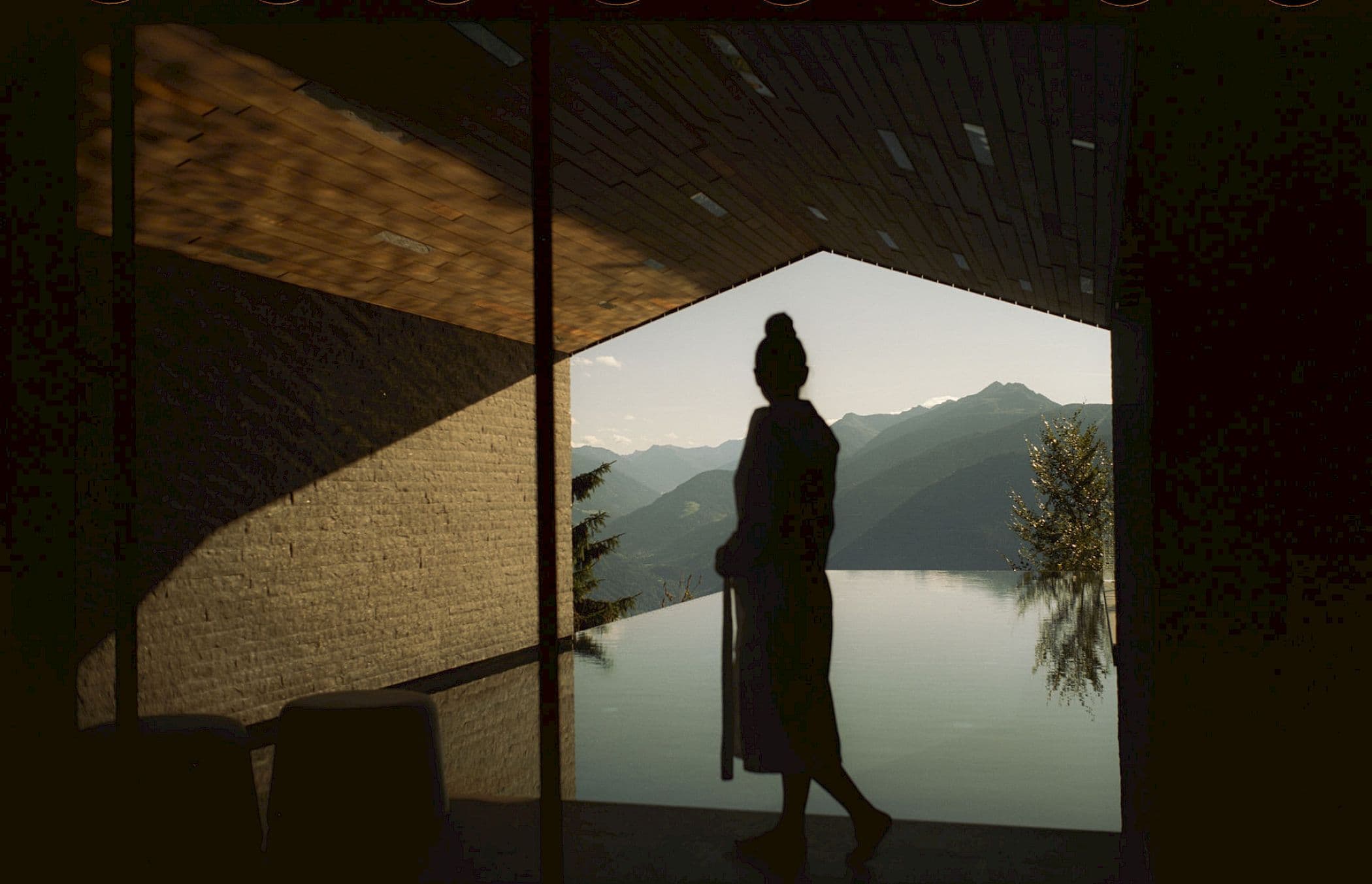
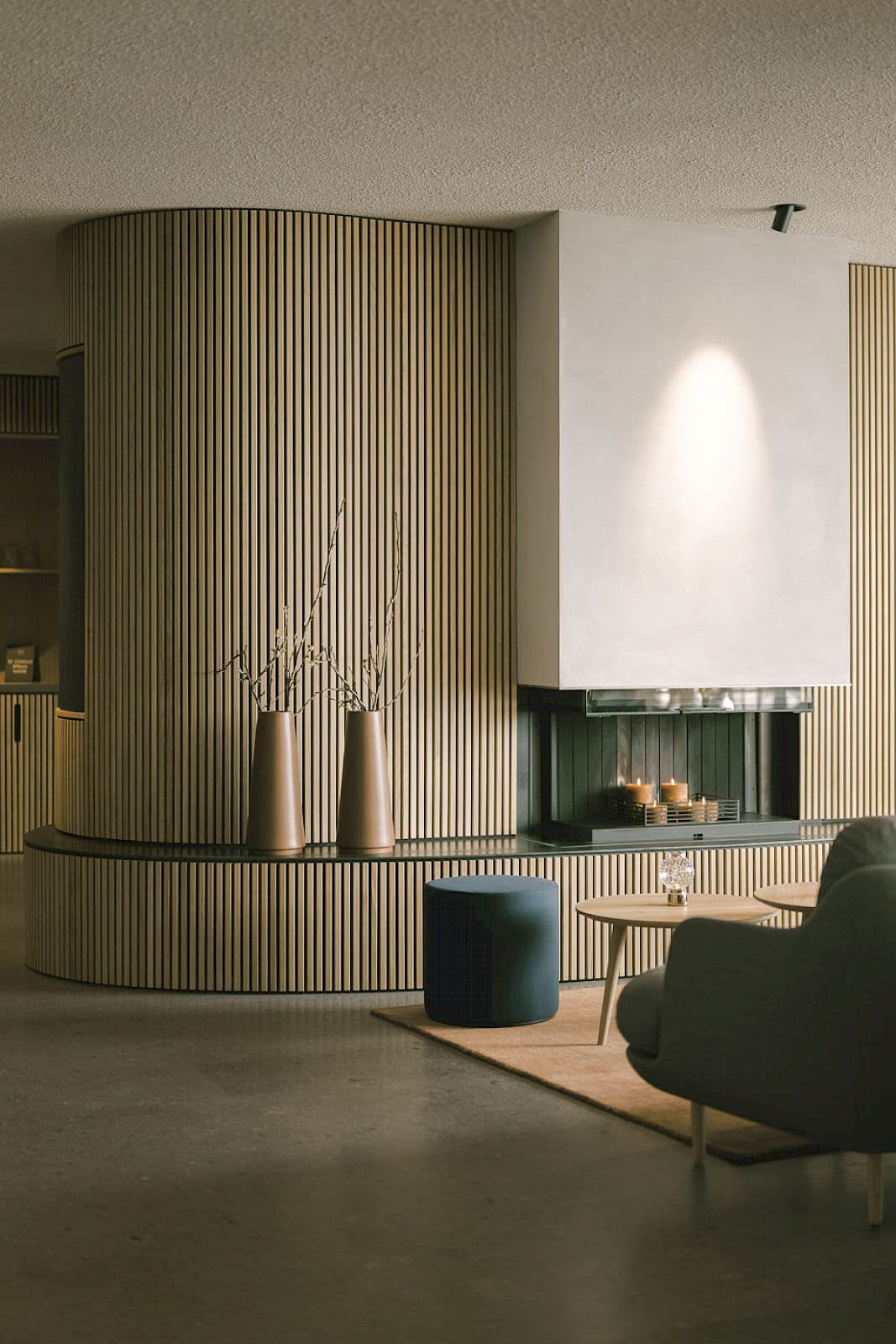
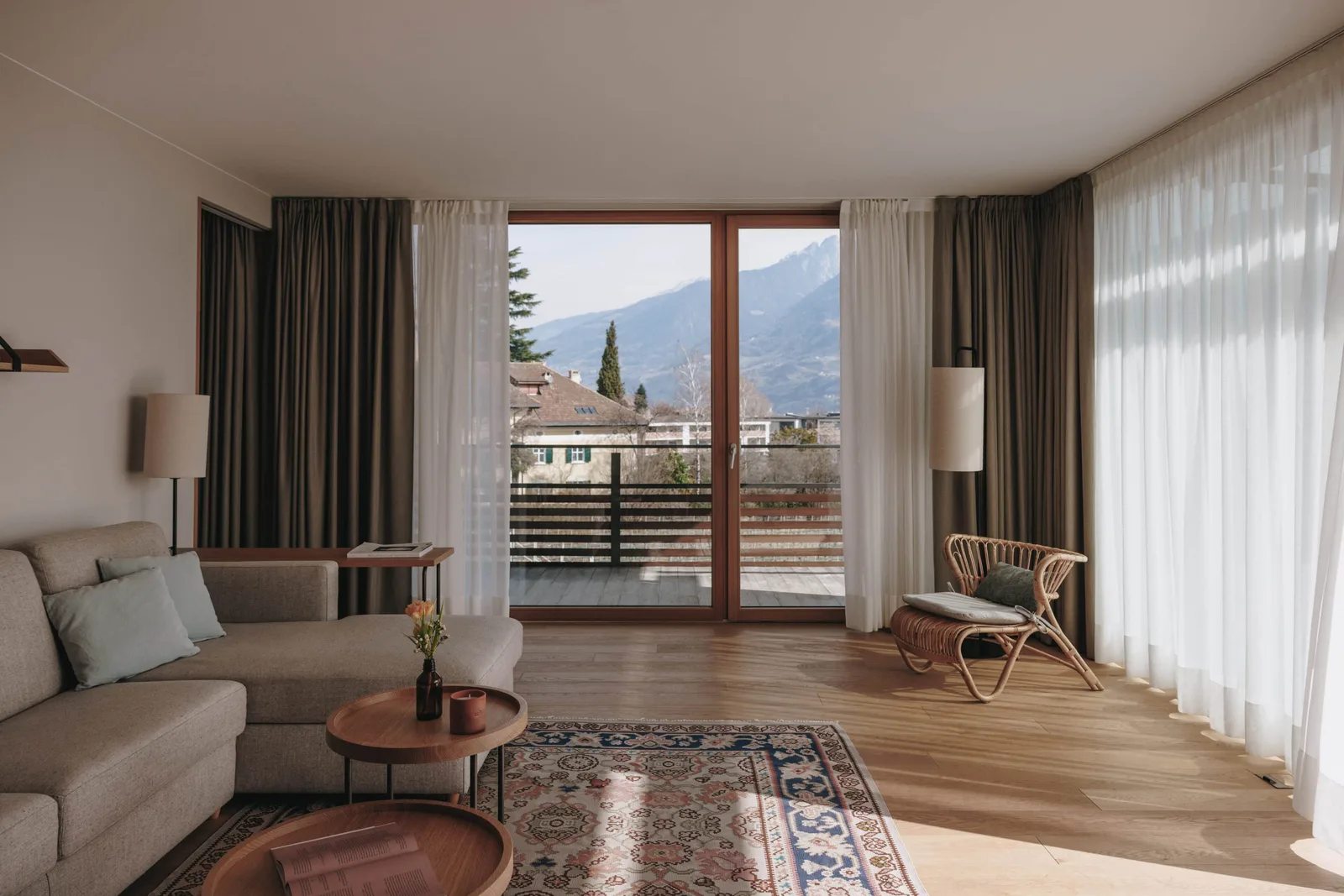
Rooms face the sunrise. Restaurants open towards the landscape. Spa areas dissolve into forests, mountains or open countryside. The architecture becomes a frame rather than the subject — a reminder that the real attraction has always been outside.
When done well, the building almost disappears. All that's left is the feeling of being immersed in a place.
Die Natur prägt das Erlebnis
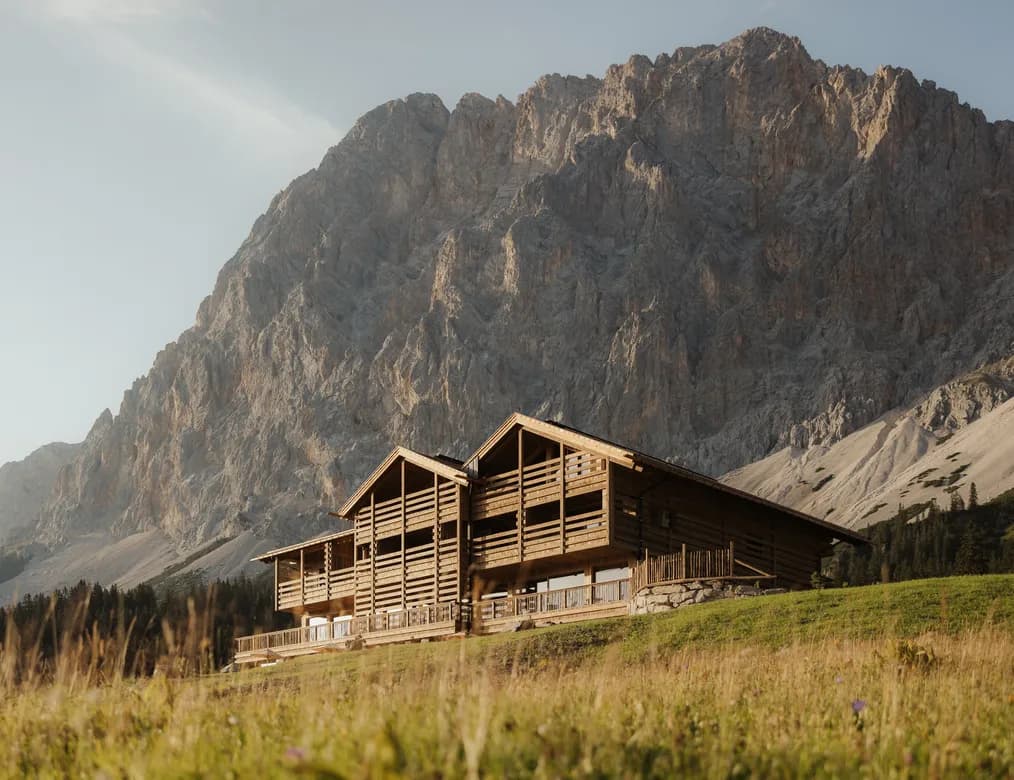
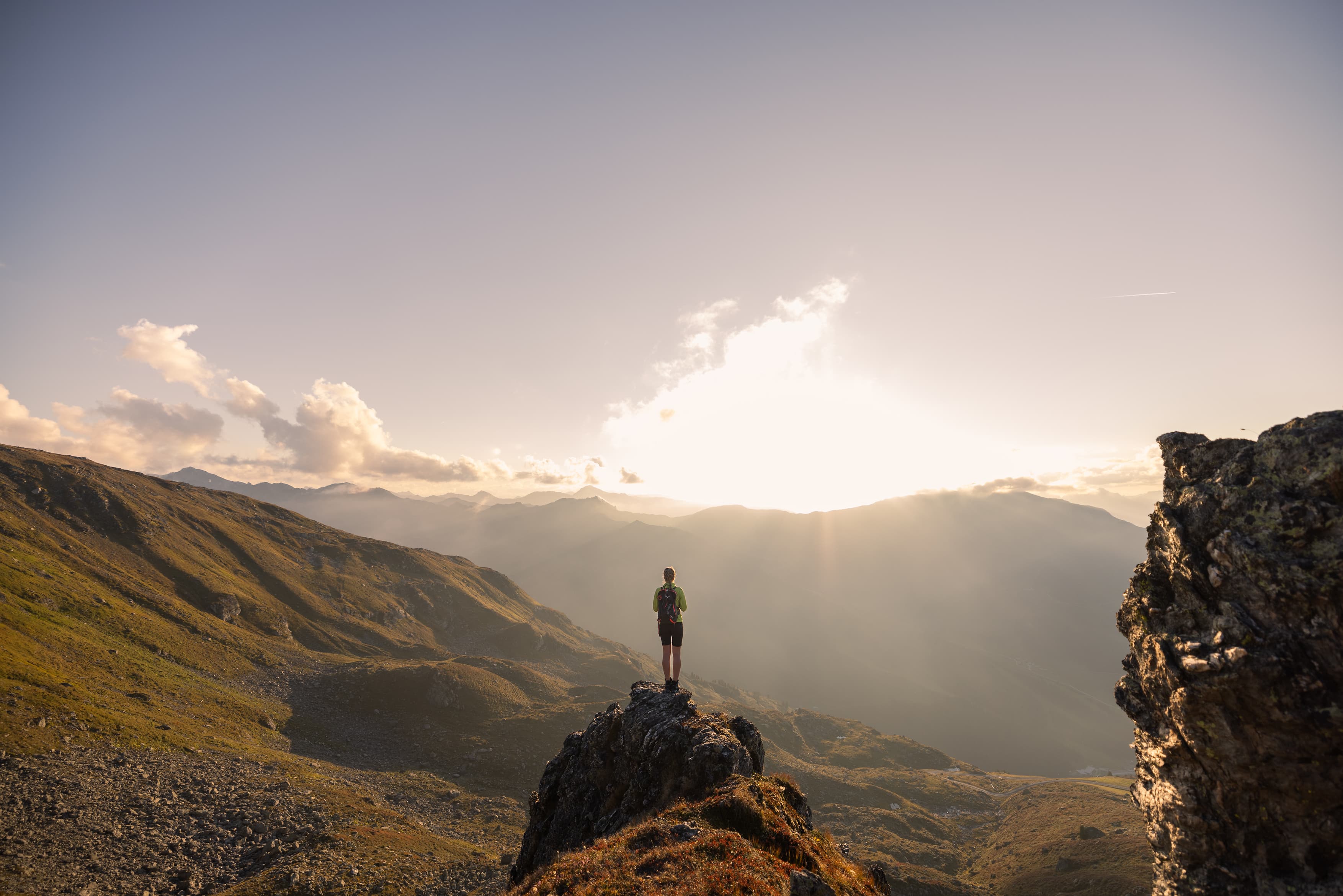
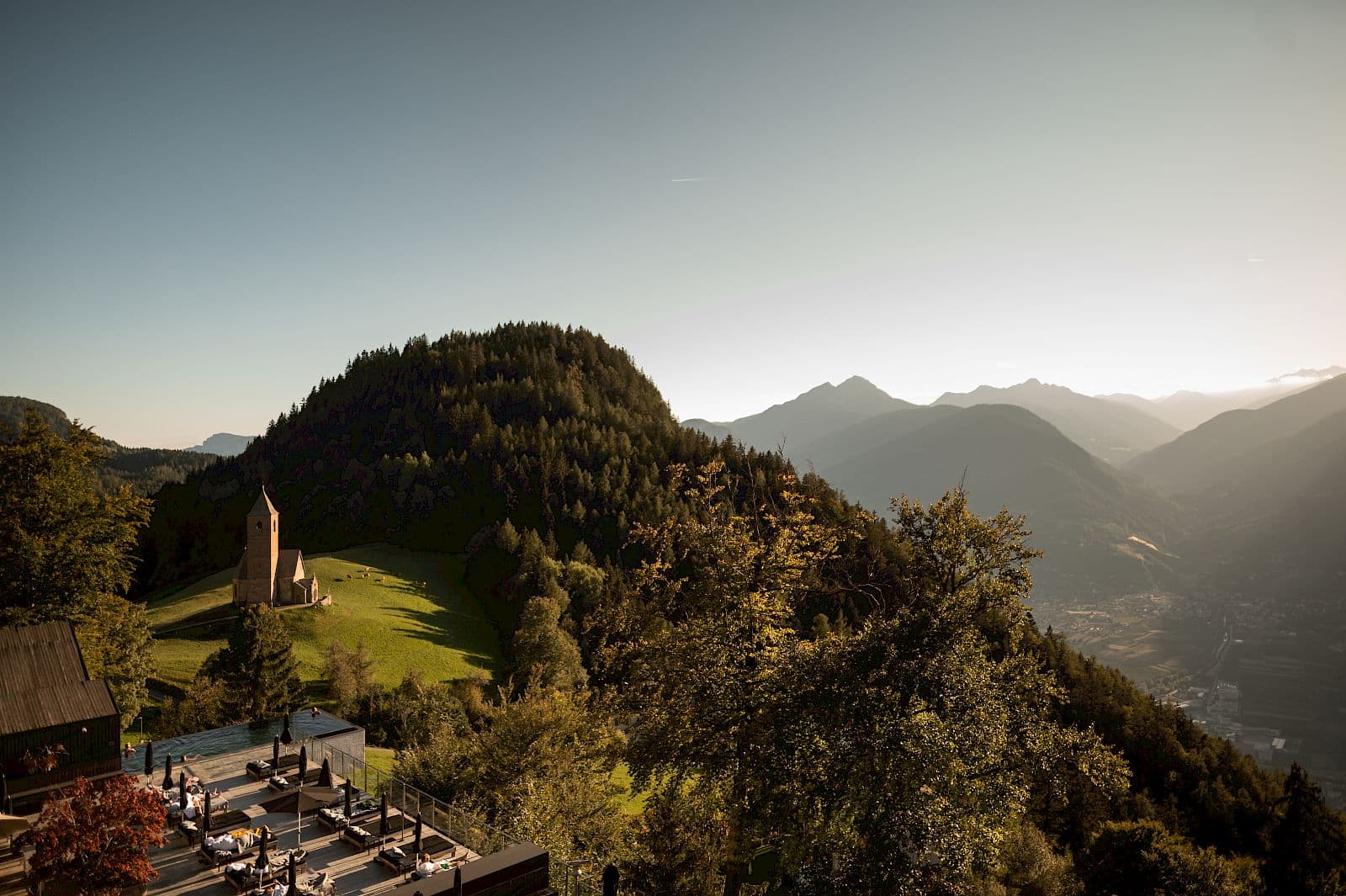
At Forestis, the Dolomites aren't an excursion. They're the reason the hotel exists.
At Rooms Hotel Kazbegi, the Caucasus Mountains dominate every view. Guests arrive because of the landscape and stay because the hotel understands its role within it.
Nature stops being something you visit. It becomes something you live alongside.
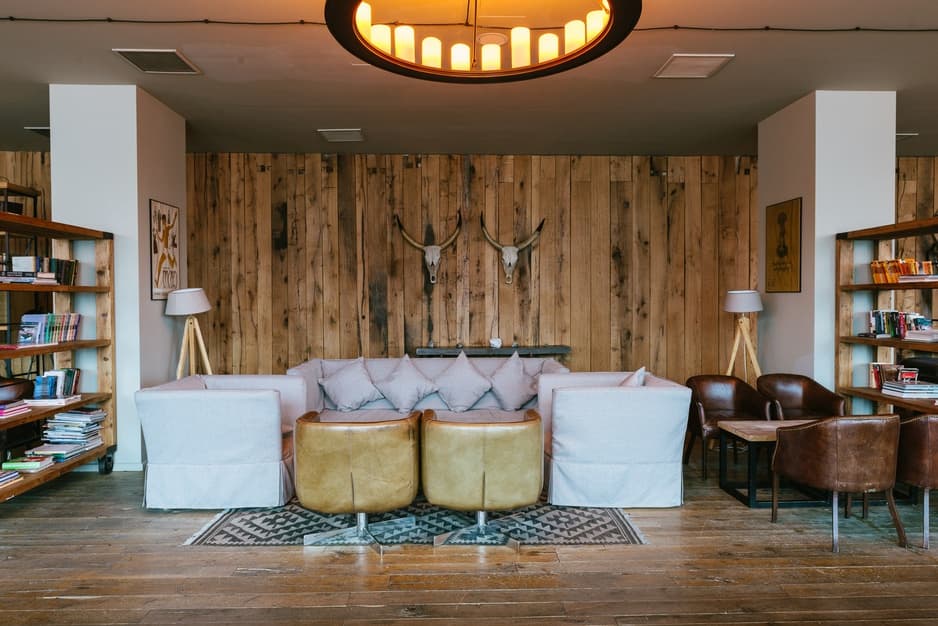
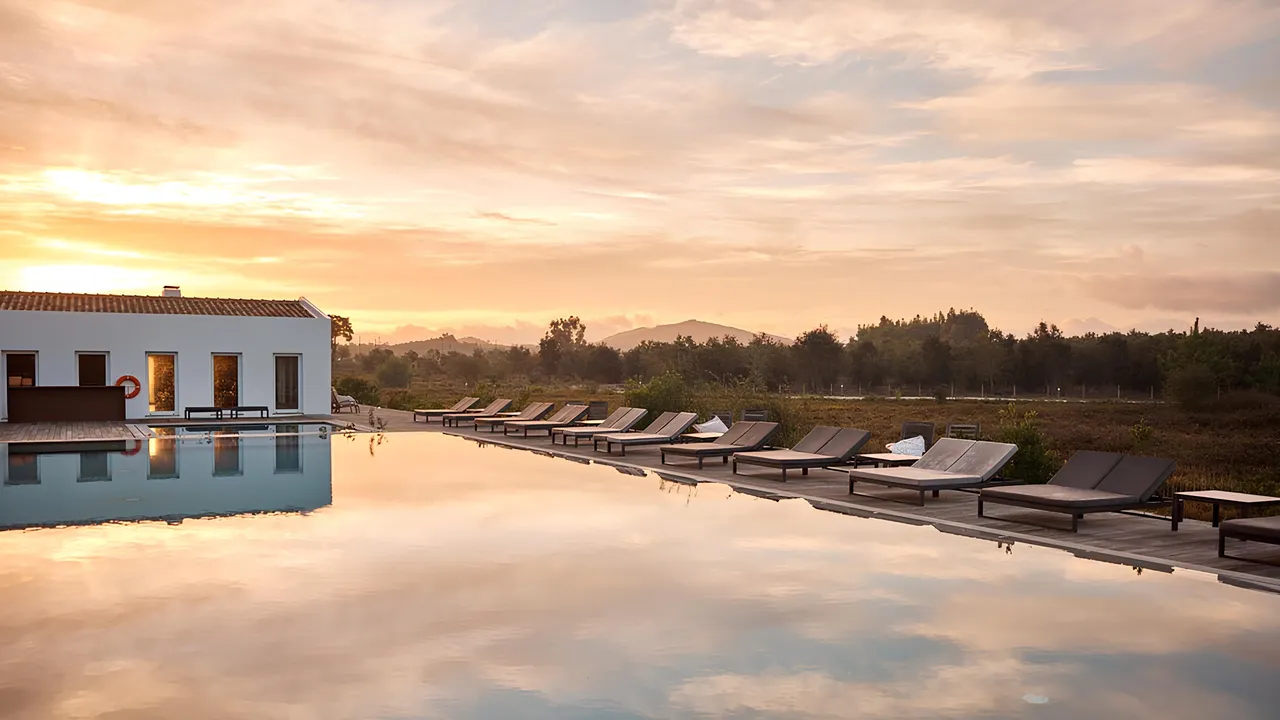
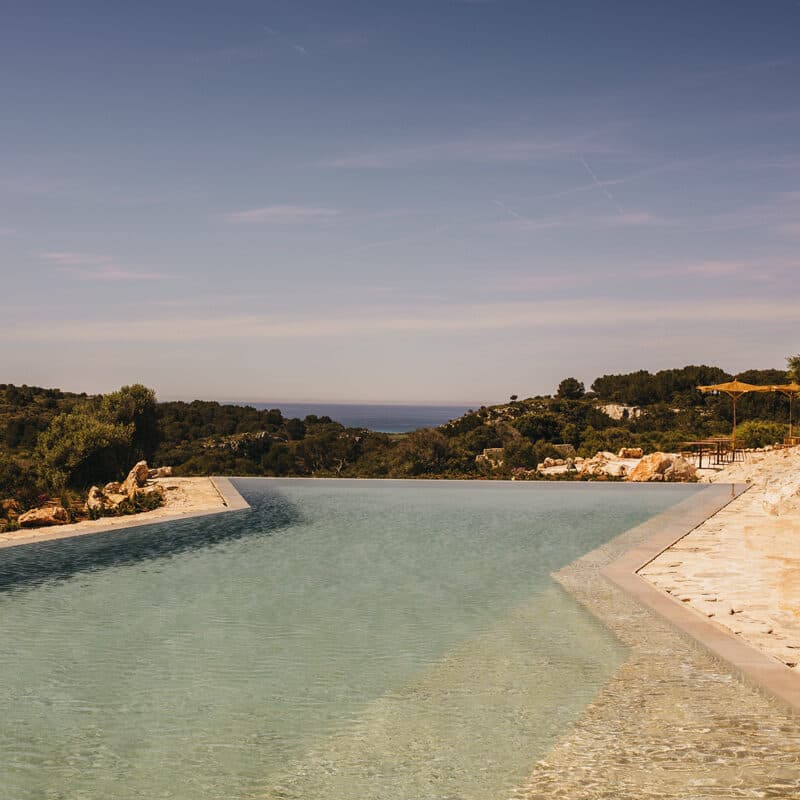
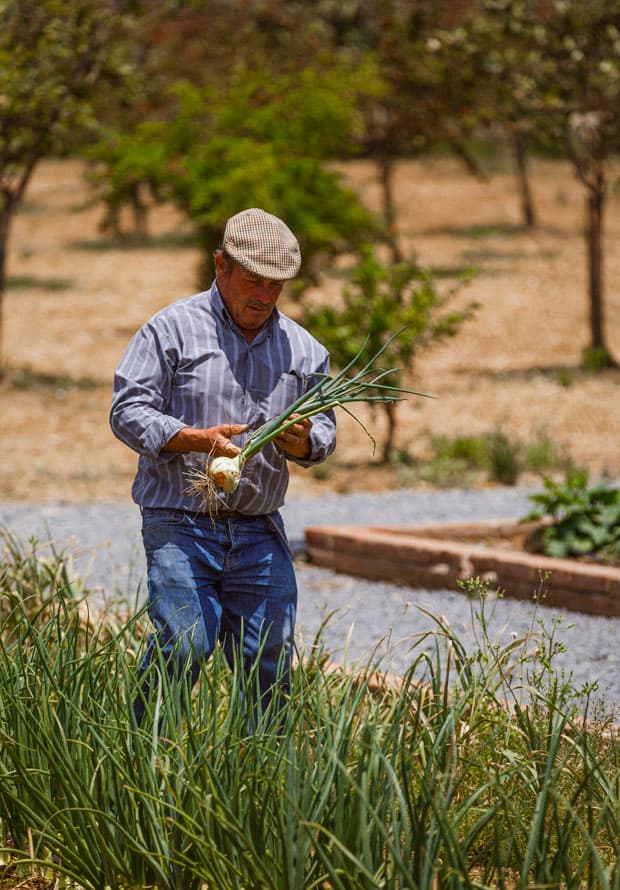
At Craveiral Farmhouse, nature feels softer but no less present. Vegetable gardens, open fields and the nearby Atlantic shape the rhythm of each day. The hotel quietly steps back and lets the landscape fill the space.
Orte, die nirgendwo sonst existieren könnten
Some hotels feel transferable. The best nature hotels don't.
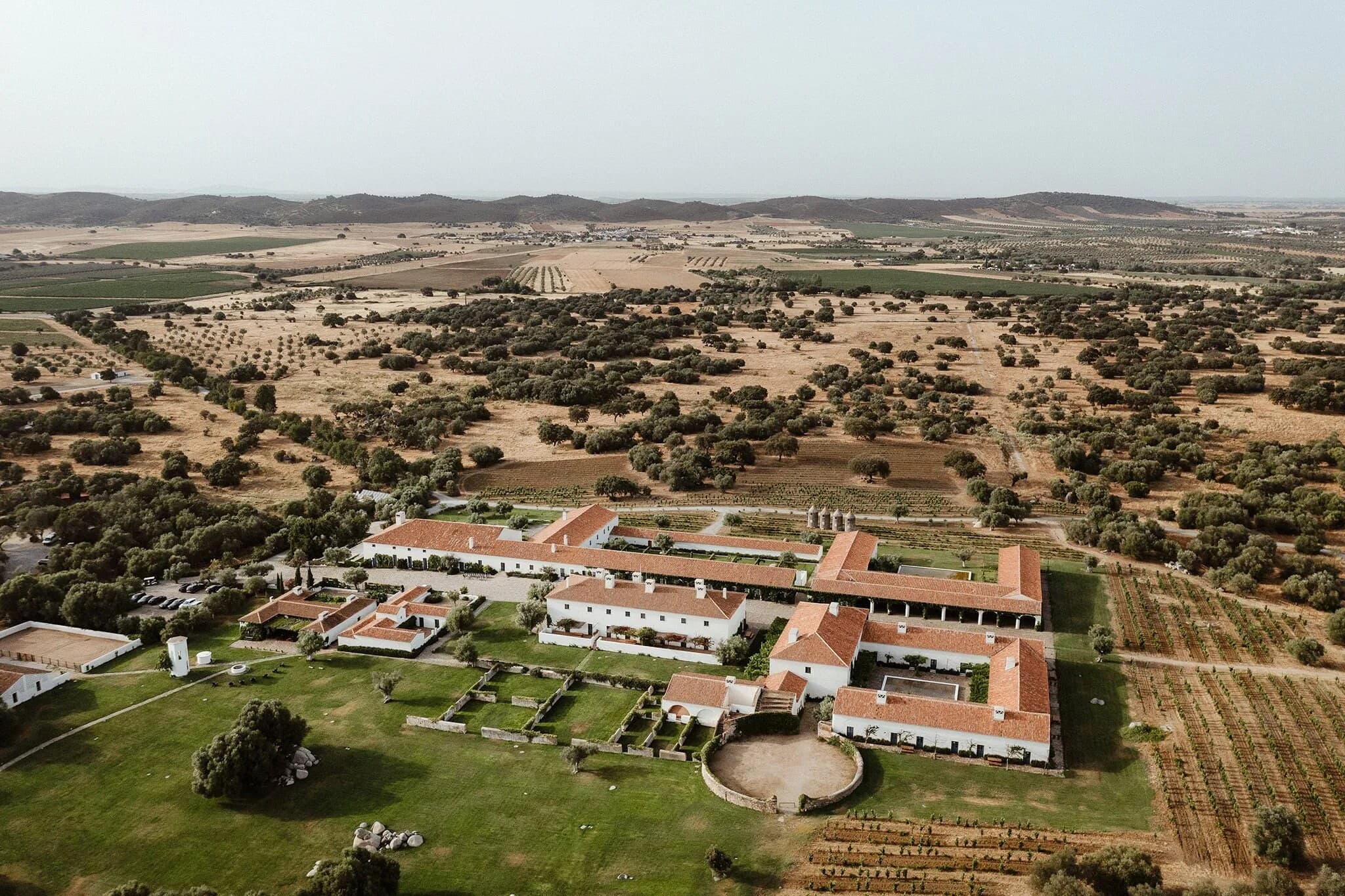
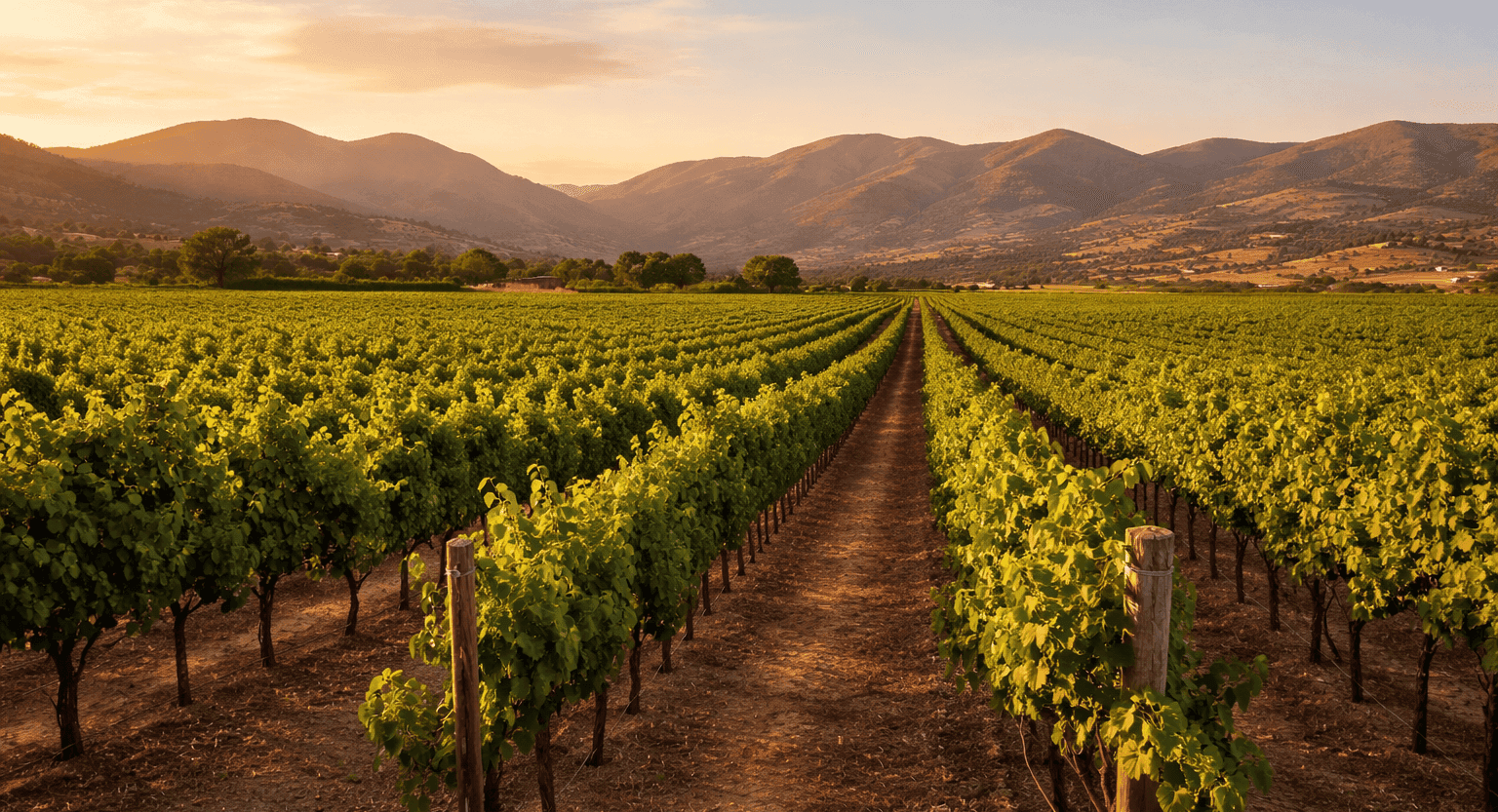
Take Forestis in South Tyrol. Remove the Dolomites and the hotel loses part of its identity. The same is true for São Lourenço do Barrocal in Portugal's Alentejo — the estate belongs to its vineyards, olive groves and cork trees as much as it belongs to hospitality.
Or Son Blanc Farmhouse on Menorca, where 130 hectares of protected farmland define the experience long before guests enter their room.
These hotels make sense because of where they are. Not despite it.
Die Landschaft steht an erster Stelle
There was a time when hotels dominated the landscape. Today, the most thoughtful properties do the opposite. They step back.
At Miramonti, architecture directs attention towards the mountains. At Schwarzschmied, vineyards and orchards become part of daily life. At Farmhouse Torgglerhof, the surrounding apple orchards and alpine scenery define the atmosphere more than any design element ever could.
The landscape becomes the main character. The hotel simply helps you experience it.
Hotels, die es verstehen
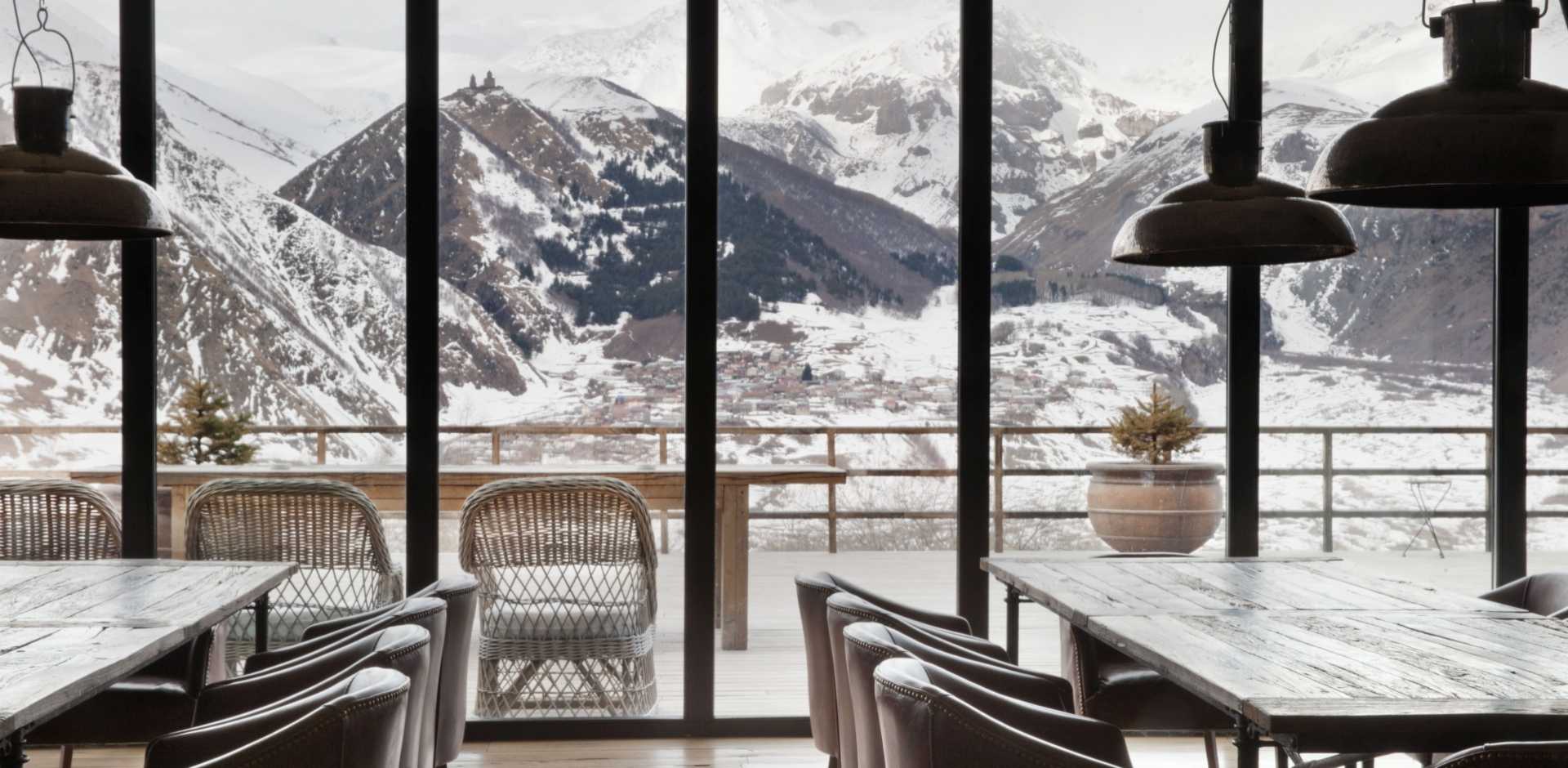
Some of our favourite hotels share surprisingly little in common. Forestis sits high above the Dolomites. Rooms Hotel Kazbegi overlooks one of Europe's most dramatic mountain ranges. Craveiral Farmhouse disappears into the Portuguese countryside. Son Blanc Farmhouse lives among protected farmland on Menorca.
Different countries. Different landscapes. The same philosophy.
Rather than asking, "How do we build a hotel here?" — they asked something better: "How do we belong here?"
Warum wir solche Orte immer wieder suchen
Modern life is increasingly disconnected from nature. We spend our days indoors. Looking at screens. Moving between schedules.
Perhaps that's why hotels built around nature feel so relevant right now.
They remind us of something simple. The mountains don't care about notifications. The ocean doesn't care about deadlines. The forest isn't in a hurry. And for a few days, neither are we.
Less Hotel. More Place.
The best hotels built around nature understand something important. Guests rarely travel to admire a building. They travel to feel something.
The silence of a forest. The scale of a mountain range. The smell of salt in the air. The warmth of late afternoon light across a vineyard.
The hotel simply creates the conditions for those moments to happen. And then wisely gets out of the way.