For decades, hospitality chased the same dream.
Bigger cities. Larger resorts. More amenities. More everything. And for a while, that seemed to work.
But somewhere along the way, many travellers began looking for something different. Something quieter. Something slower. Something real.
The farmhouse hotel has returned. And we're very glad it did.
Erbaut, bevor es Tourismus gab
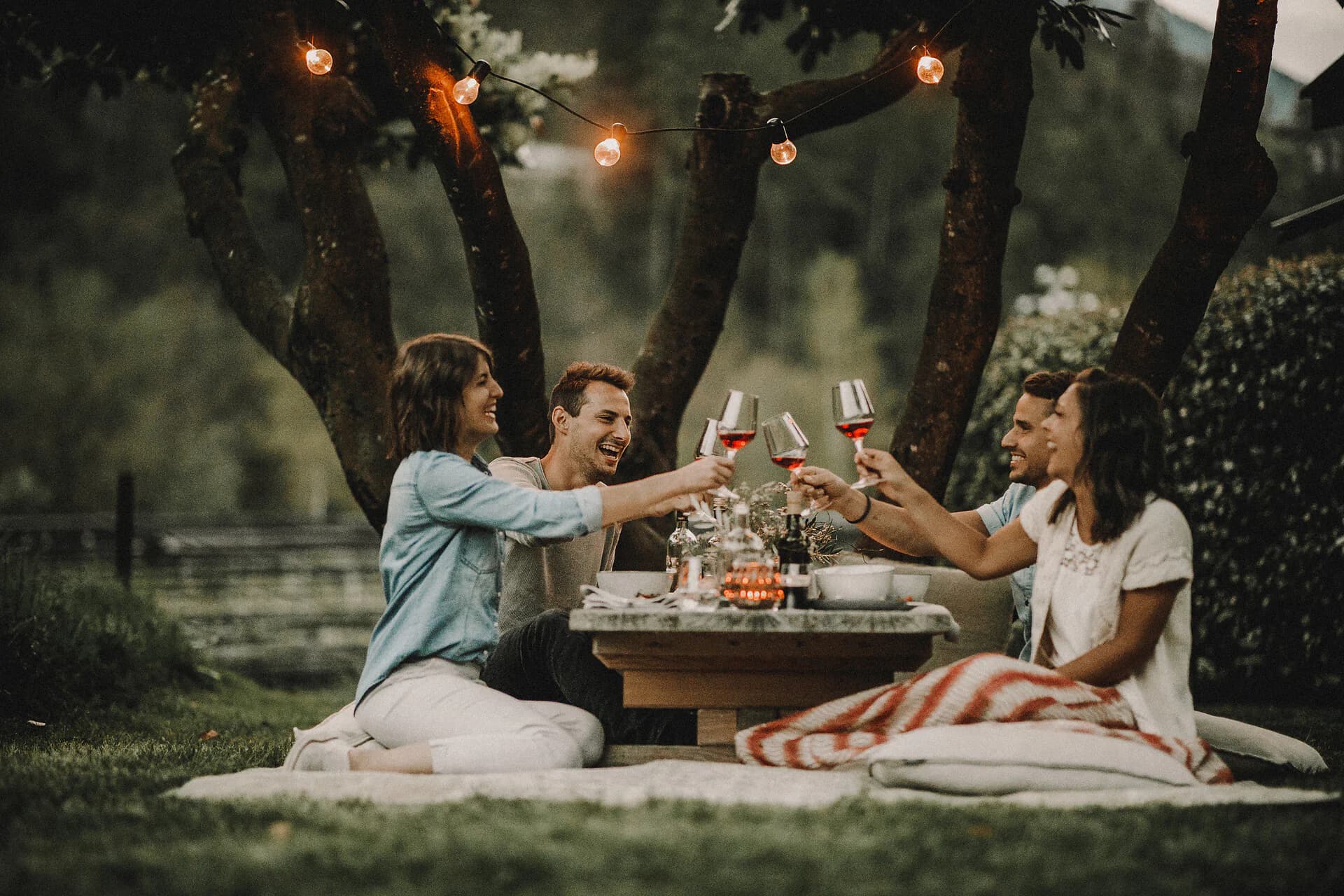
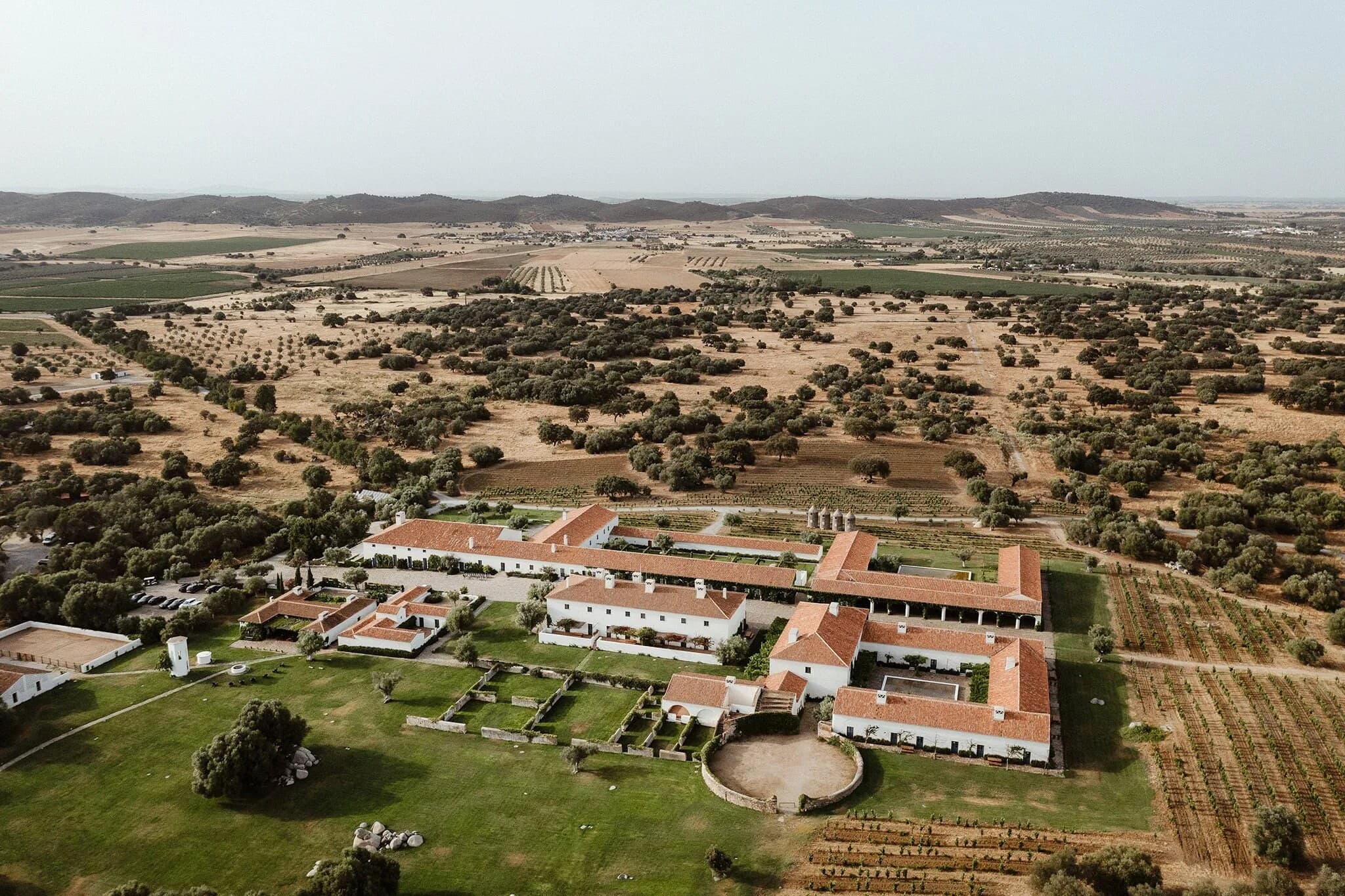
Many modern hotels are designed around guests. Farmhouse hotels were designed around life. Before they welcomed travellers, they welcomed farmers. Families. Animals. Harvests.
The buildings were shaped by necessity rather than aesthetics. Thick stone walls kept interiors cool during summer. Courtyards became gathering spaces. Kitchens formed the heart of daily life.
Today, those same characteristics create something many newly built hotels struggle to replicate: authenticity. Not because it's marketed. Because it's impossible to fake.
Eine andere Art von Luxus
The farmhouse hotel isn't trying to impress you. That's part of its appeal. There may be no grand lobby. No marble reception desk. No valet parking. Instead, luxury reveals itself differently.
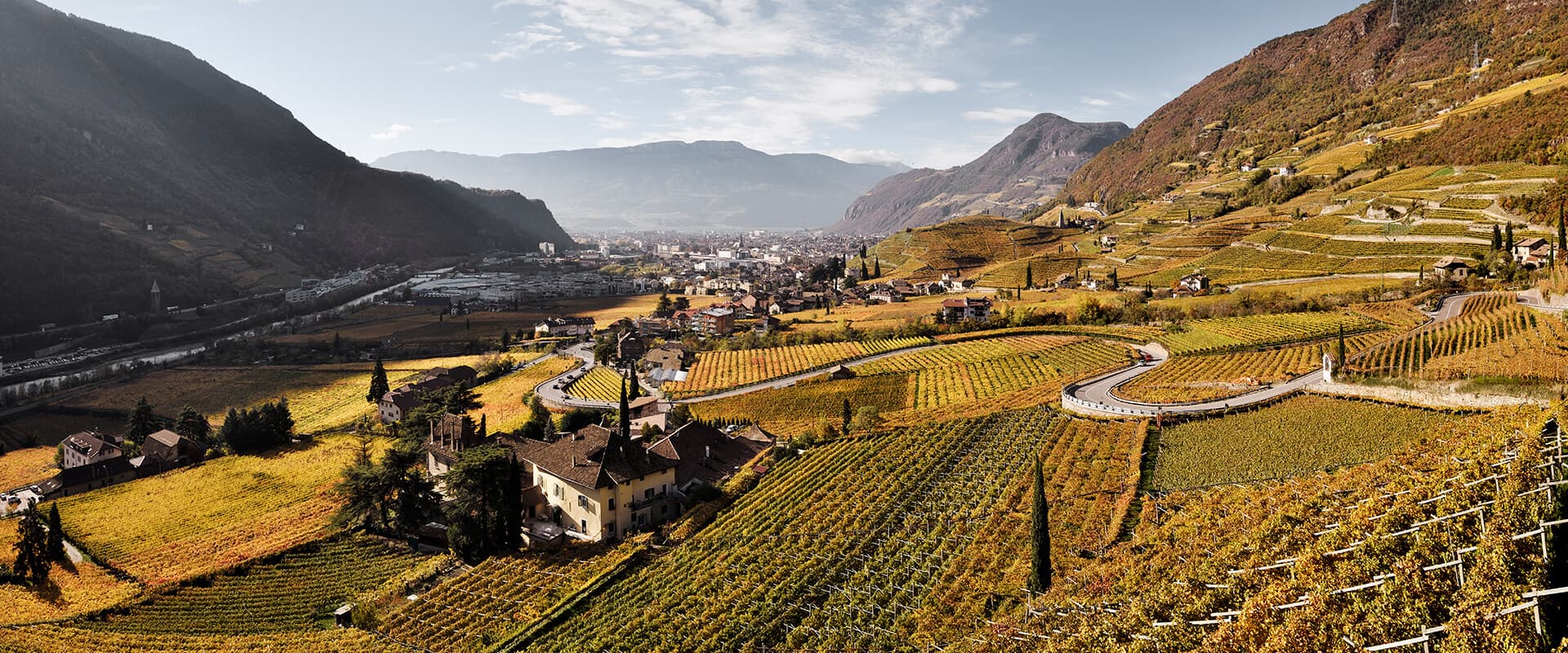
Fresh bread in the morning. A vineyard outside the window. A meal prepared from ingredients grown a few hundred metres away. The sound of birds replacing traffic.
The luxury isn't abundance. It's connection.
Orte, zu denen wir immer zurückkehren
Unsere liebsten Farmhouse-Hotels.
Some of our favourite farmhouse hotels couldn't be more different. Yet they all share the same idea.
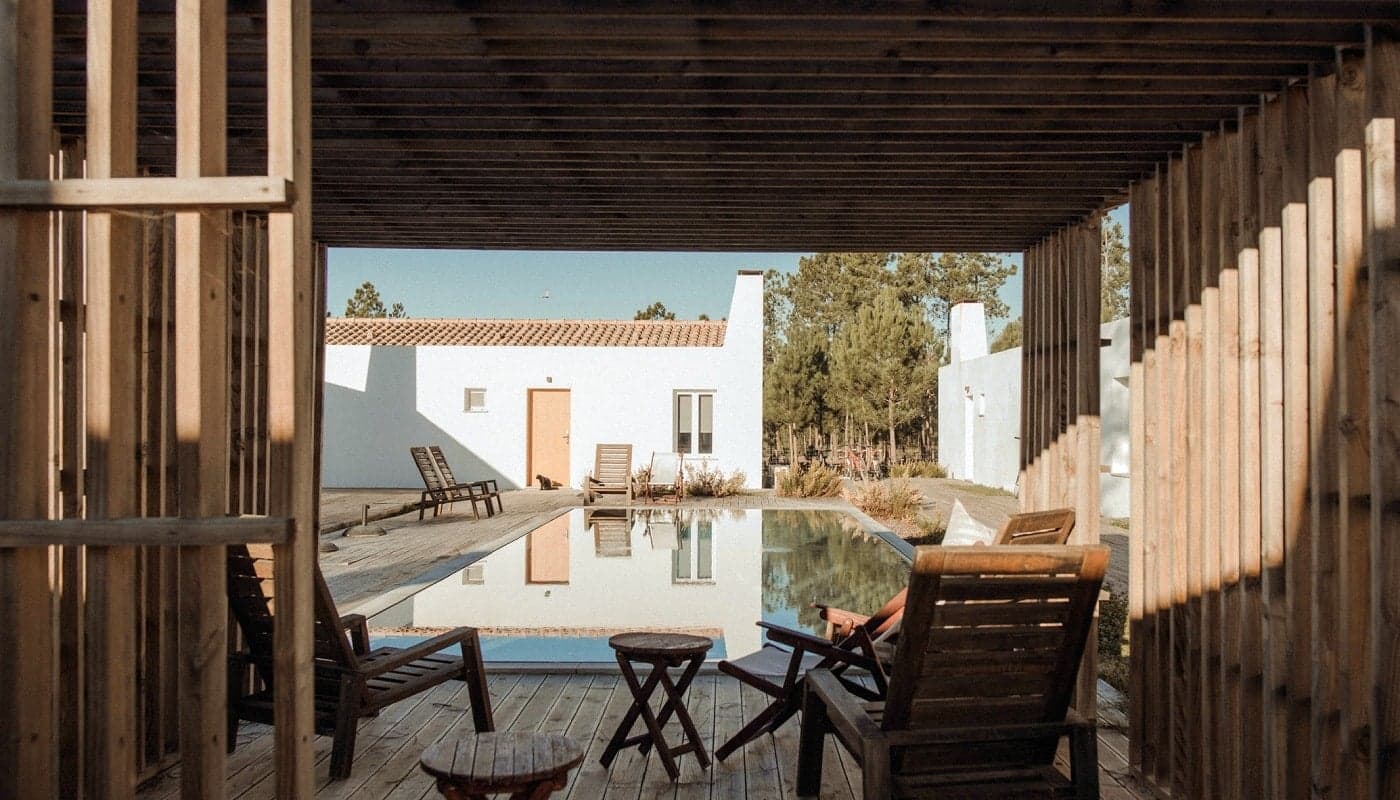
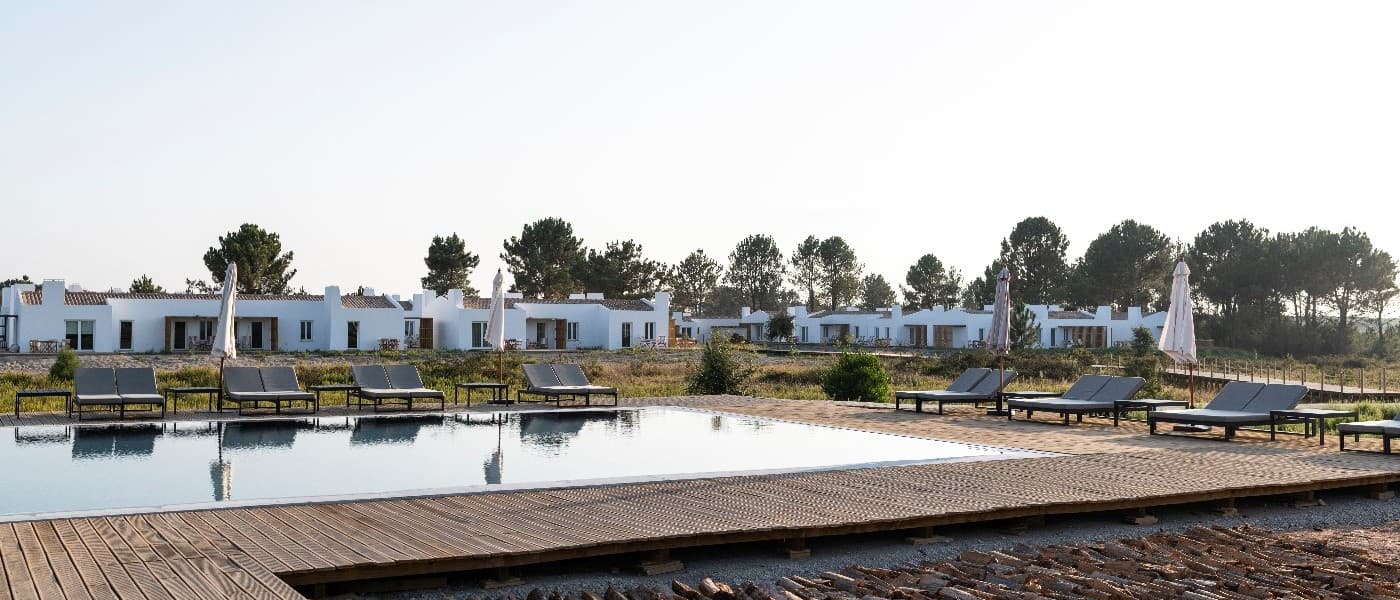
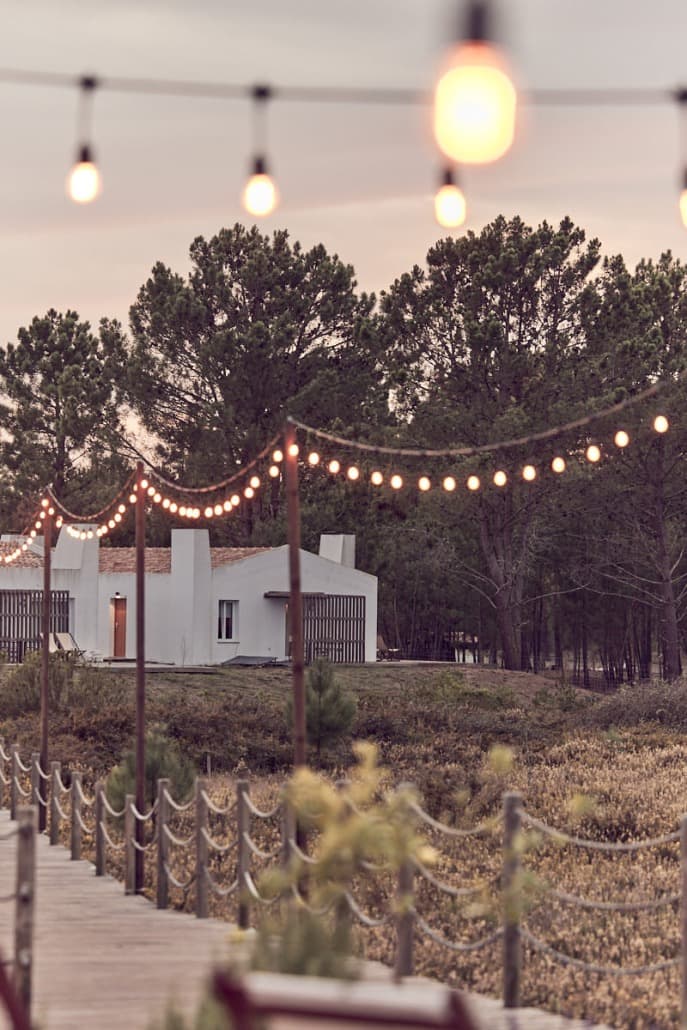
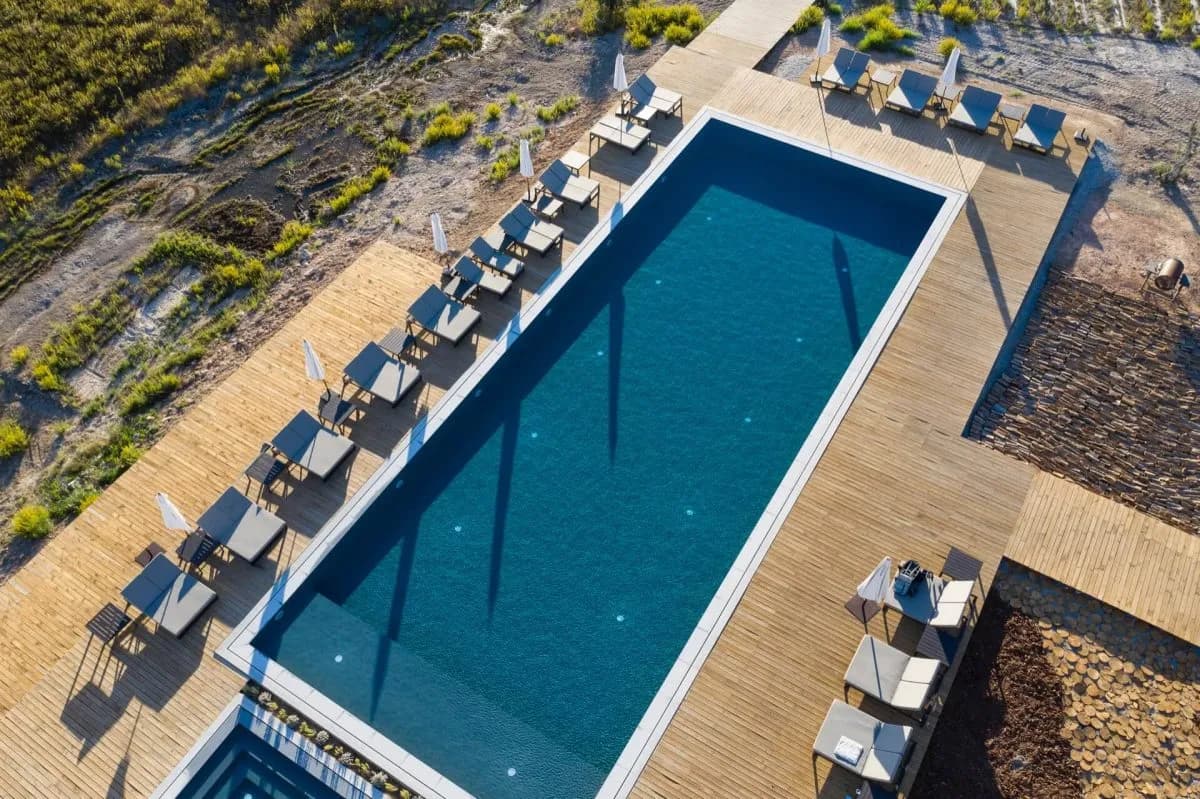
In Portugal's Alentejo, Craveiral Farmhouse offers a place where the landscape feels almost endless. Vegetable gardens, wild fields and the nearby Atlantic create a rhythm where days seem to stretch a little longer than usual. Life here revolves around nature rather than schedules.
Hier übernachten
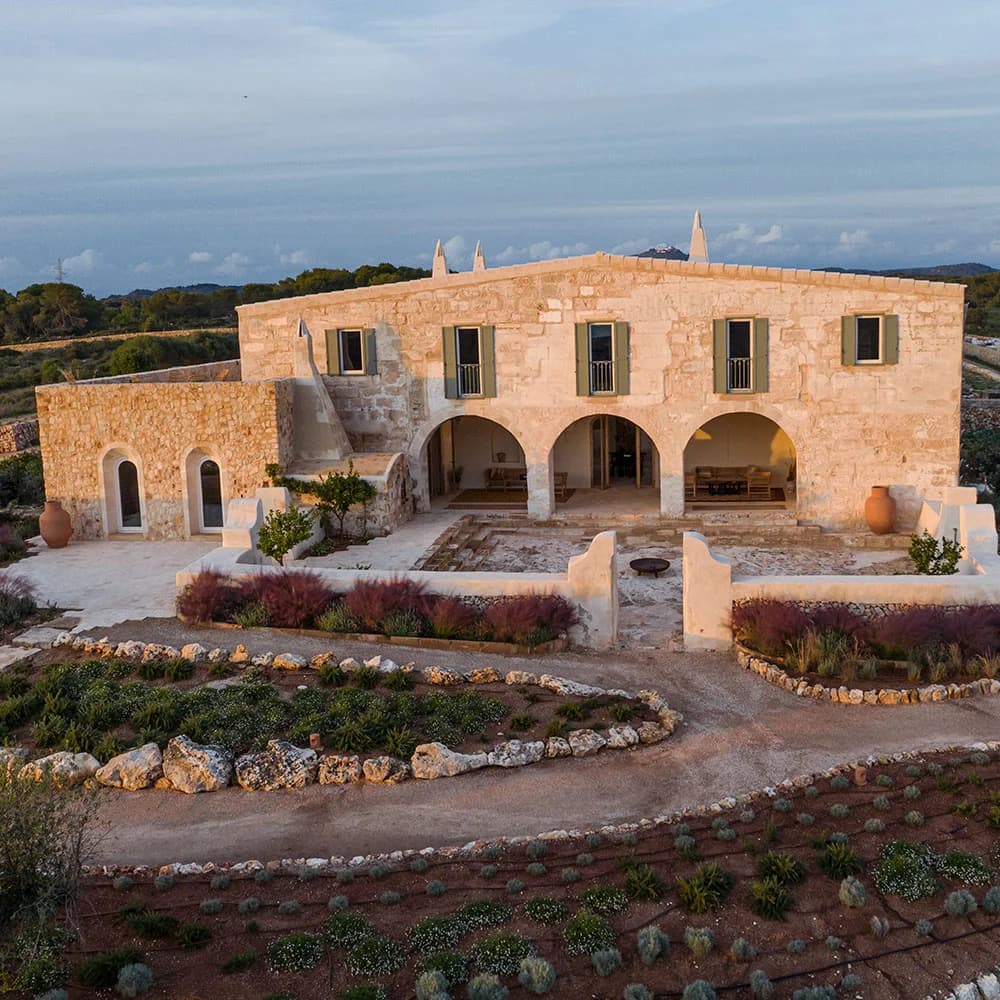
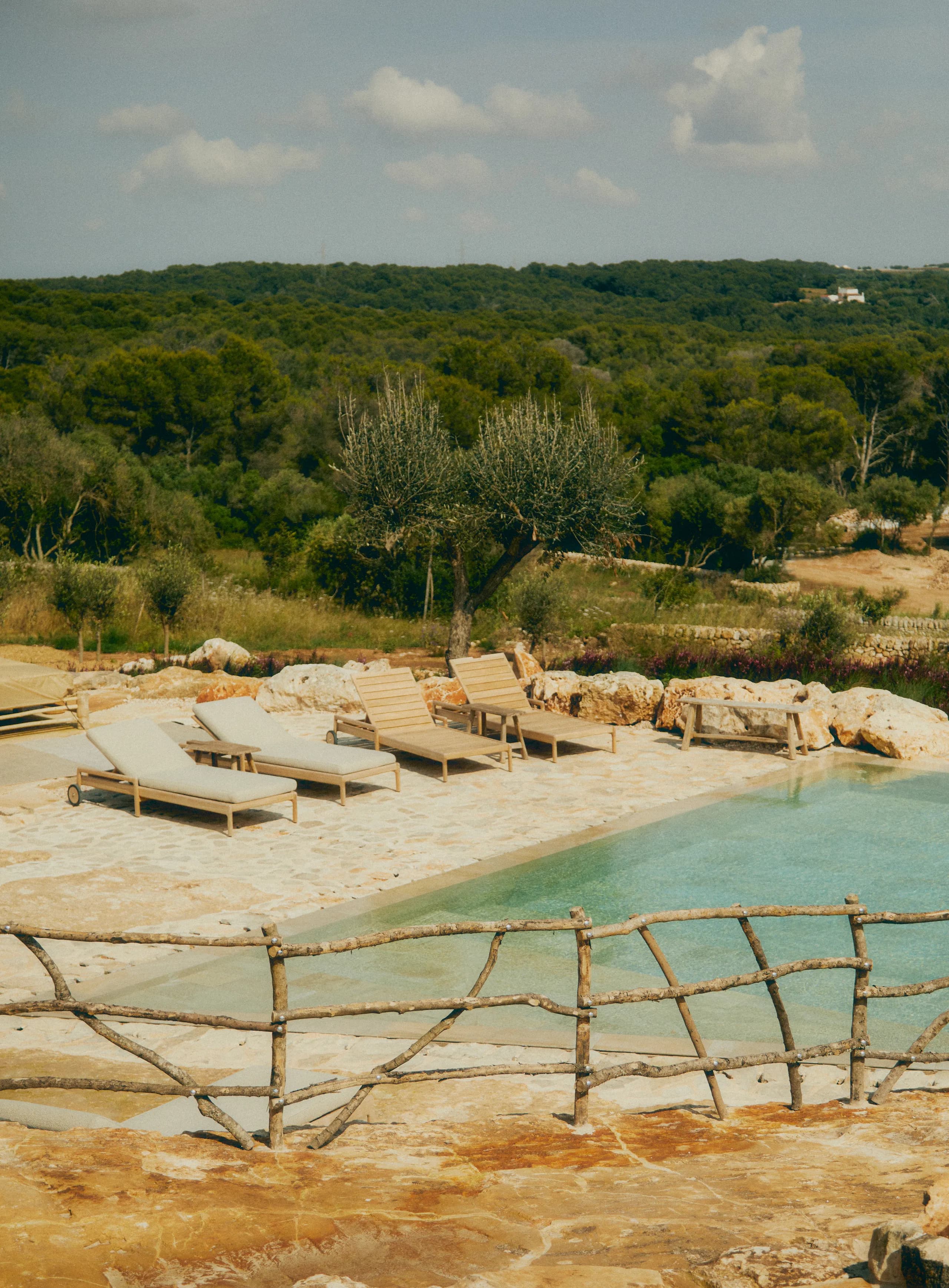
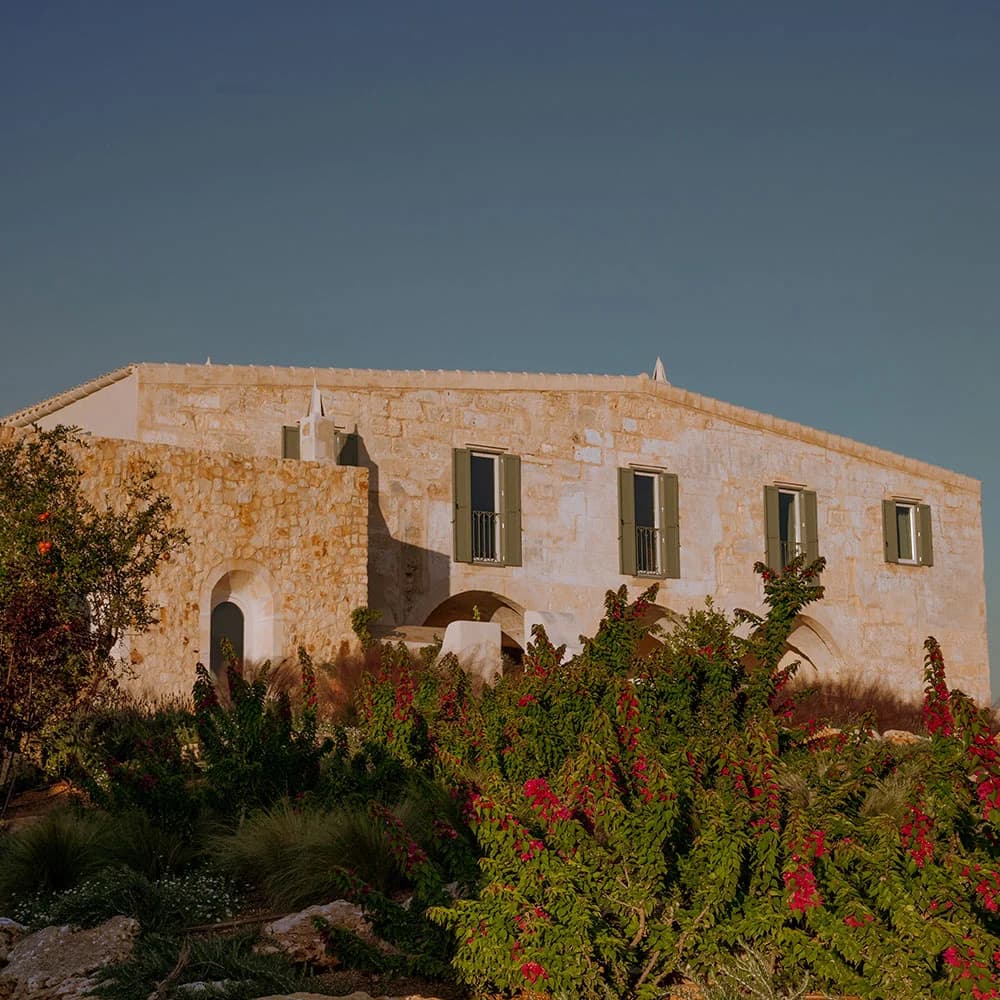
Craveiral Farmhouse→On Menorca, Son Blanc Farmhouse occupies 130 hectares of protected farmland. The restored stone farmhouse sits quietly within the landscape, surrounded by fields, walking trails and Mediterranean light. Sustainability here isn't a concept — it's simply the way things have always been done.
Hier übernachten
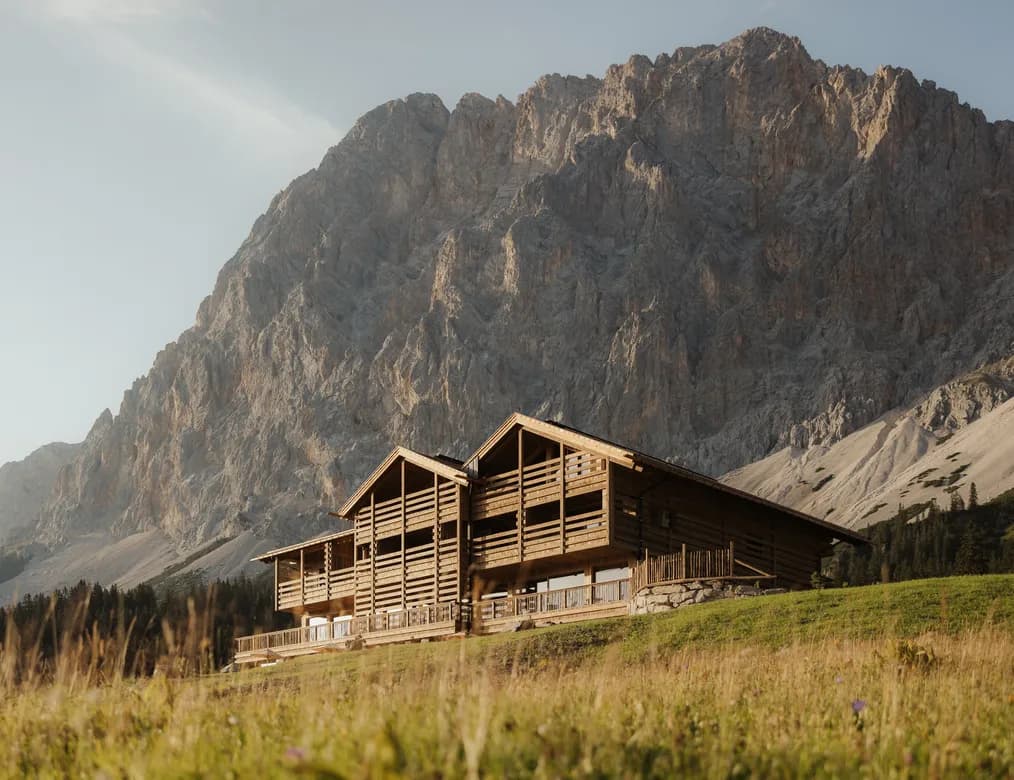
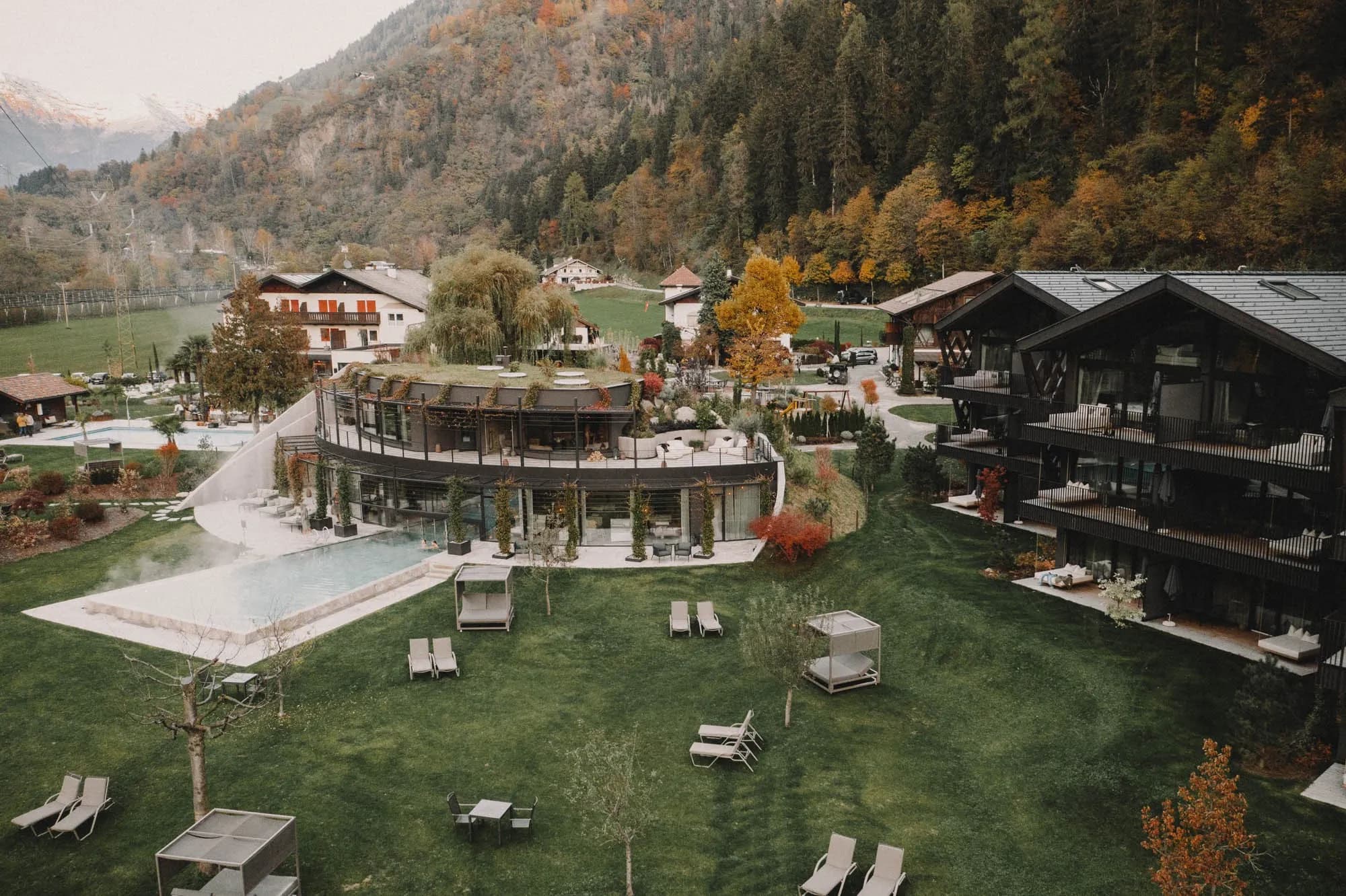
Son Blanc Farmhouse→Further north, in South Tyrol's Passeiertal valley, Farmhouse Torgglerhof combines several identities at once. An apple farm. A vegetable garden. A family home. A small hotel. The lines between agriculture and hospitality blur naturally, creating a place that feels deeply connected to its surroundings.
Different countries. Different landscapes. Different cultures. The same feeling.
The best farmhouse hotels weren't built for travellers. They were built for life.
Hier übernachten
Farmhouse Torgglerhof→Die Landschaft wird Teil des Erlebnisses
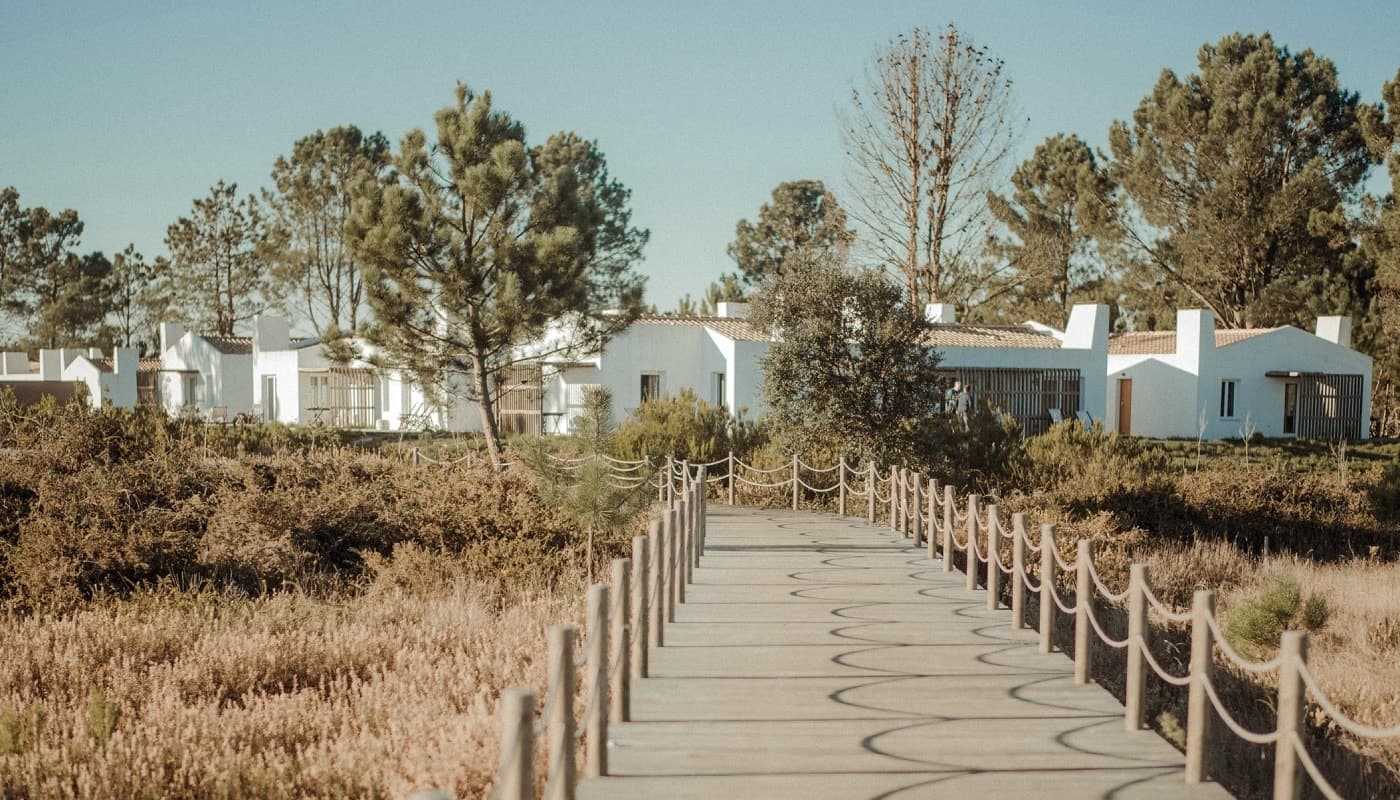
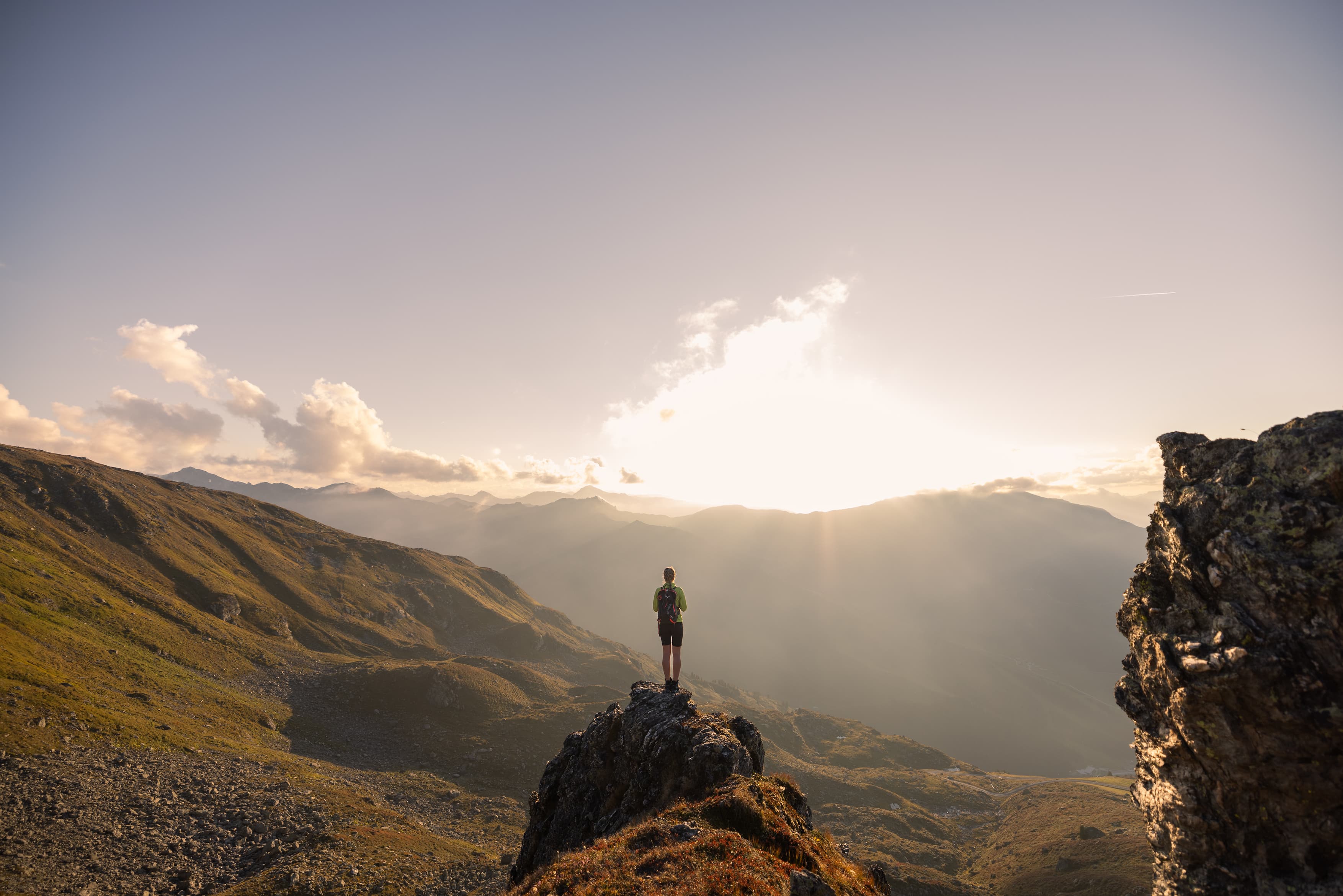
The best farmhouse hotels don't sit beside nature. They sit within it. You don't simply look at the landscape. You become part of it.
Morning walks pass through orchards. Breakfast overlooks vegetable gardens. Dinner arrives from the same fields visible from your room.
The boundaries between hotel and destination begin to disappear. And that's often when travel becomes most memorable.
Farmhouse hotels aren't trying to impress you with what they've added. They're interesting because of what they've kept.
The land. The buildings. The traditions. The families behind them.
And perhaps that's why they feel so relevant today. In a world obsessed with the next thing, farmhouse hotels remind us that some of the best places have been there all along.