South Tyrol Beyond the Peaks: Lana, Merano and Bolzano
Three places in the Adige valley, each with its own character: Lana among the orchards, Merano with its promenades, and Bolzano as the regional capital. How they differ, and how to combine them in one trip.
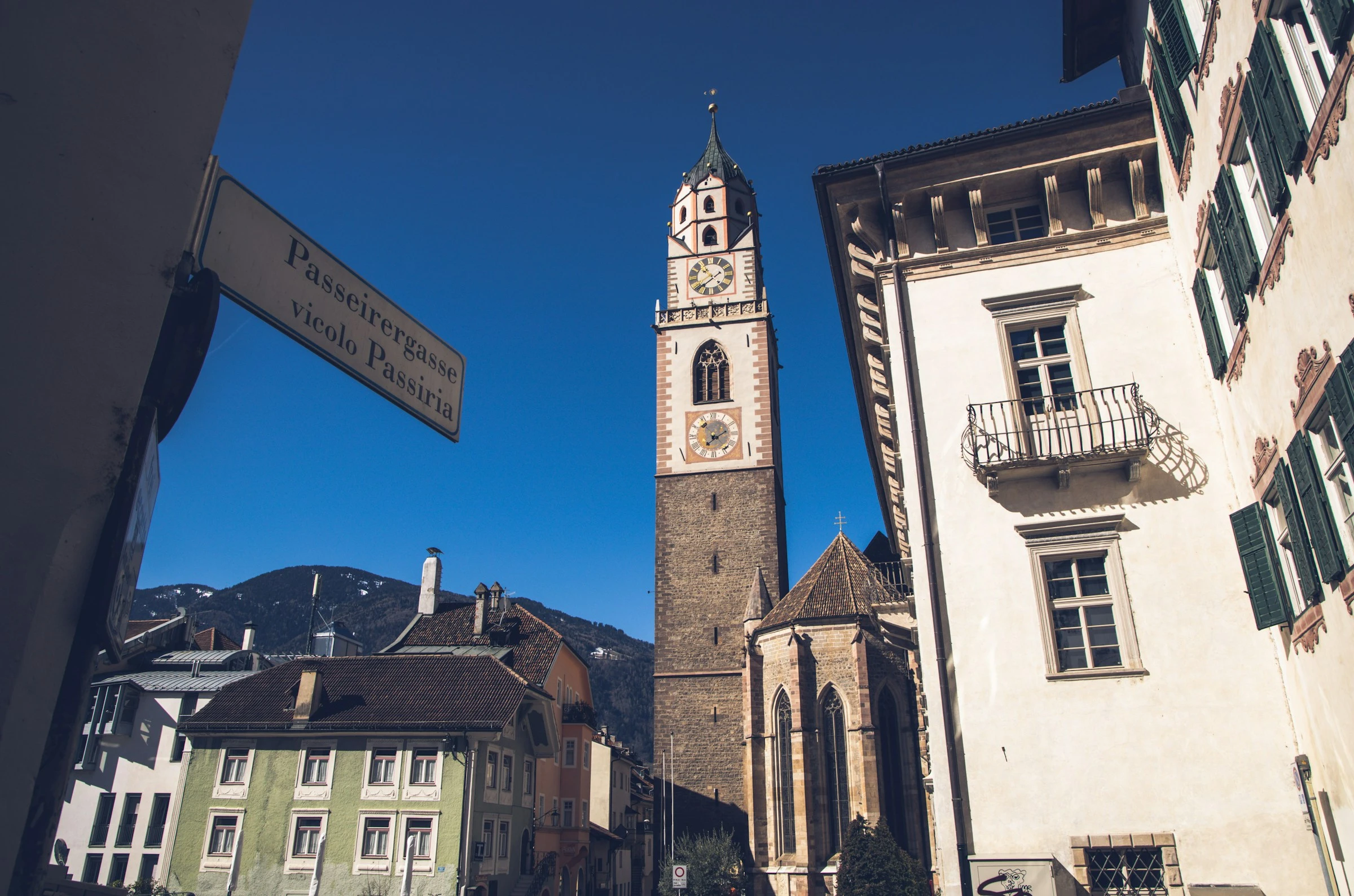
South Tyrol was part of the Habsburg Crown Land of Tyrol until the First World War and has belonged to Italy since 1919. Today it has three official languages: German, Italian and Ladin. How they mix depends on where you are. In Bolzano most people speak Italian as their first language, in Merano the German- and Italian-speaking communities are roughly the same size, and in Lana German clearly predominates. Ladin is spoken in the Dolomite valleys further east. So the region is not simply Austria meeting Italy: each town has its own balance, and you notice it on menus, in shop signs and at the bar. This piece stays in the valley rather than on the summits. Lana, Merano and Bolzano sit along the same stretch of the Adige, linked by train and bus, and work well as two or three bases on one trip.


Merano: Promenades and a Spa-Town Past
Merano grew into a spa town in the nineteenth century, and Empress Elisabeth of Austria stayed here several times. That past is still visible on foot: promenades run along both banks of the Passer, with palms and cypresses in the sheltered valley climate, and Sissi's Path leads from the town to the Gardens of Trauttmansdorff Castle, where the empress lodged. Merano is larger and busier than Lana, with more shops and cafés, but there is no hotel in our selection here. It works best as a half-day or day trip from Lana, about 10 kilometres away by bus 211 or line 201.
Lana: A Base Between Orchards and the Cable Car
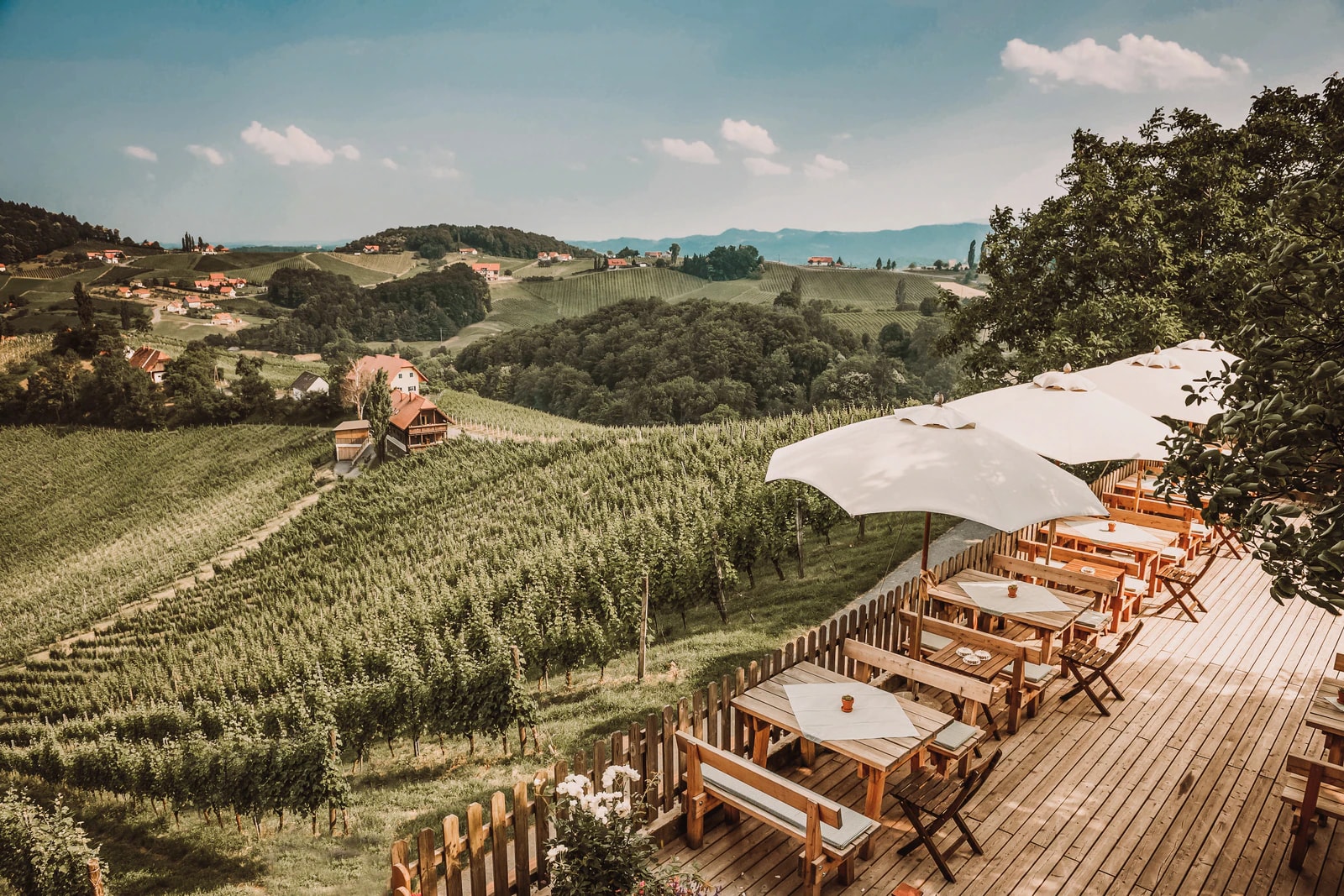
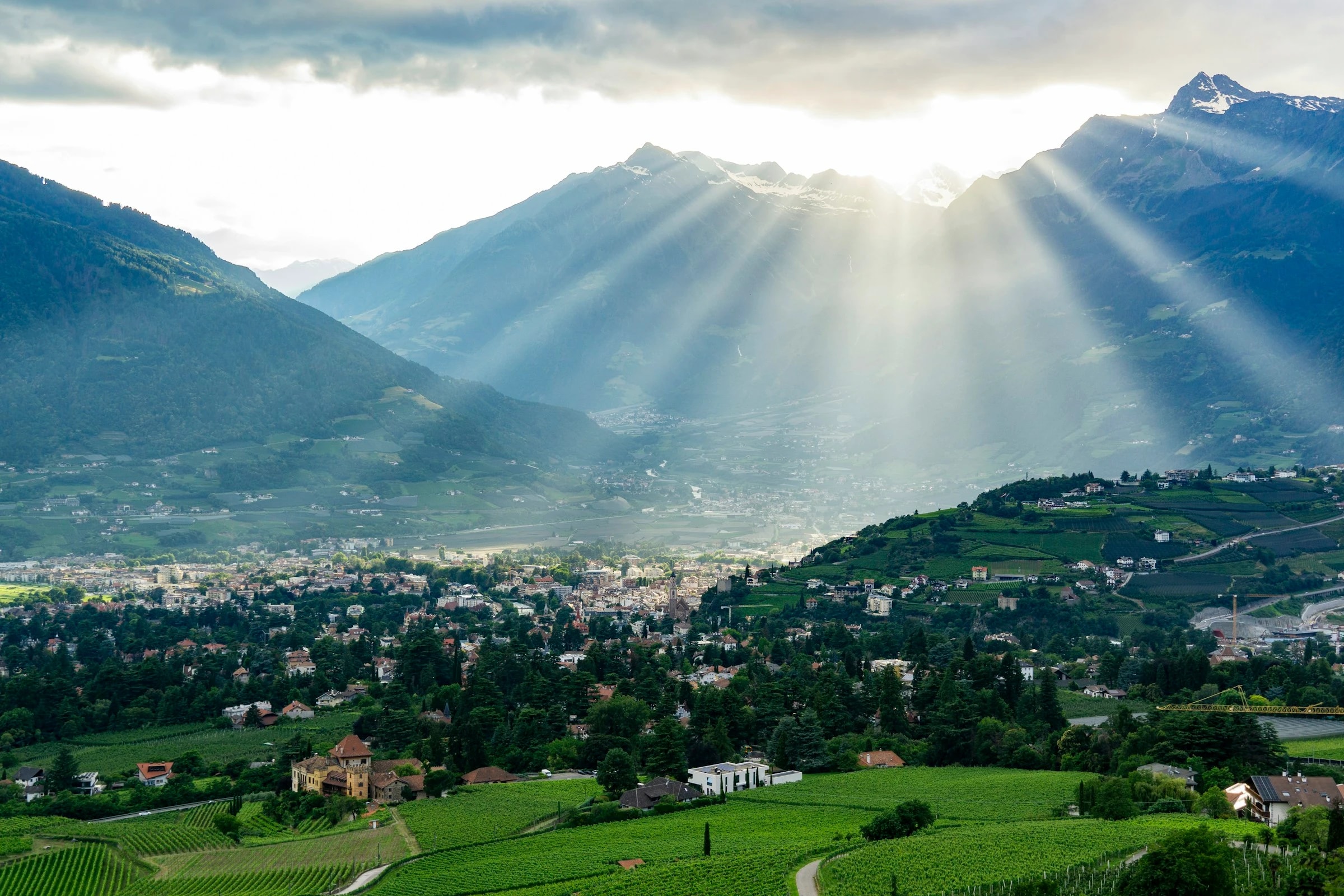
Lana lies a few kilometres south of Merano, about 30 kilometres from Bolzano, with apple orchards and vineyards right up to the edge of the village. It works as a base because so much is within walking distance. The two hotels in the centre are about 300 metres apart, and the cable car up to the car-free Vigiljoch leaves from the village and takes six minutes. Merano and Bolzano are both reachable by bus, or by train from Lana-Burgstall station. In neighbouring Tscherms, Kränzelhof has seven gardens, art and a Gothic wine cellar, with wine tours and tastings on set days by booking; the restaurant Miil is on the same estate. In April the orchards are in blossom, and from early October to mid-November farm taverns and cellars hold Törggelen, with speck, Schlutzkrapfen, roast chestnuts and new wine.


Where to Stay in Lana: Schwarzschmied and 1477 Reichhalter
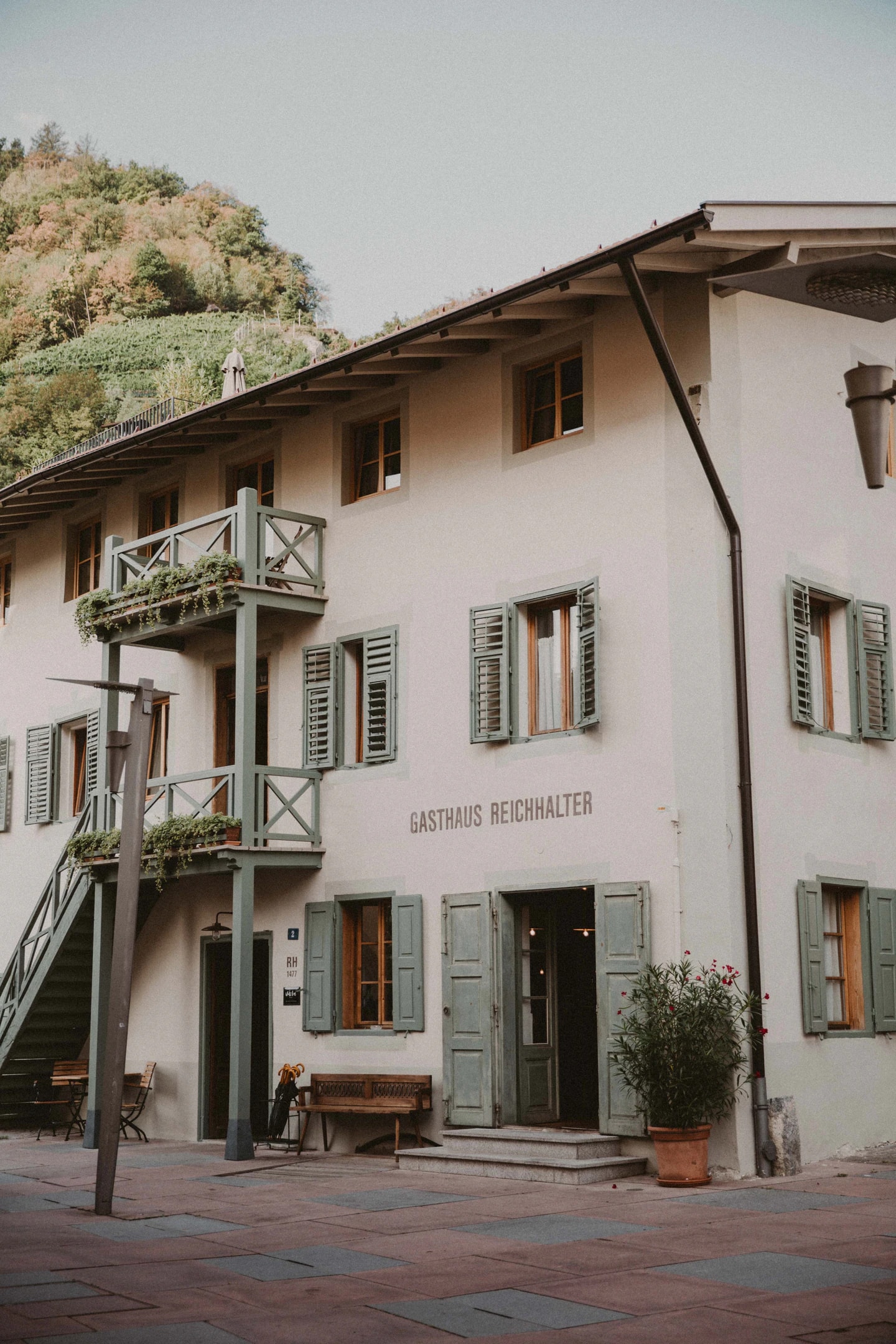
The two places to stay in Lana belong to the same family group but suit different trips. Hotel Schwarzschmied, on Schmiedgasse, has 68 rooms and suites across a main house, a garden wing and the Residence, a 20-metre outdoor pool heated all year and facing the vineyards, an indoor pool, saunas and yoga several times a day. At La Fucina, Andreas Pircher cooks with vegetables and herbs from the hotel's own Arnica Acker field. 1477 Reichhalter, on Metzgergasse in the pedestrian zone, is an old inn with a café and restaurant downstairs and eight rooms upstairs, each laid out differently and with deliberately no TV. In the evening Andreas Heinisch cooks South Tyrolean produce with Mediterranean influences. Reichhalter has no spa of its own, but guests can use the one at Schwarzschmied free of charge. Choose Schwarzschmied for pools and yoga under one roof, Reichhalter for a small inn where dinner is the centre of the day.

Bolzano: Arcades, Market Stalls and Ötzi
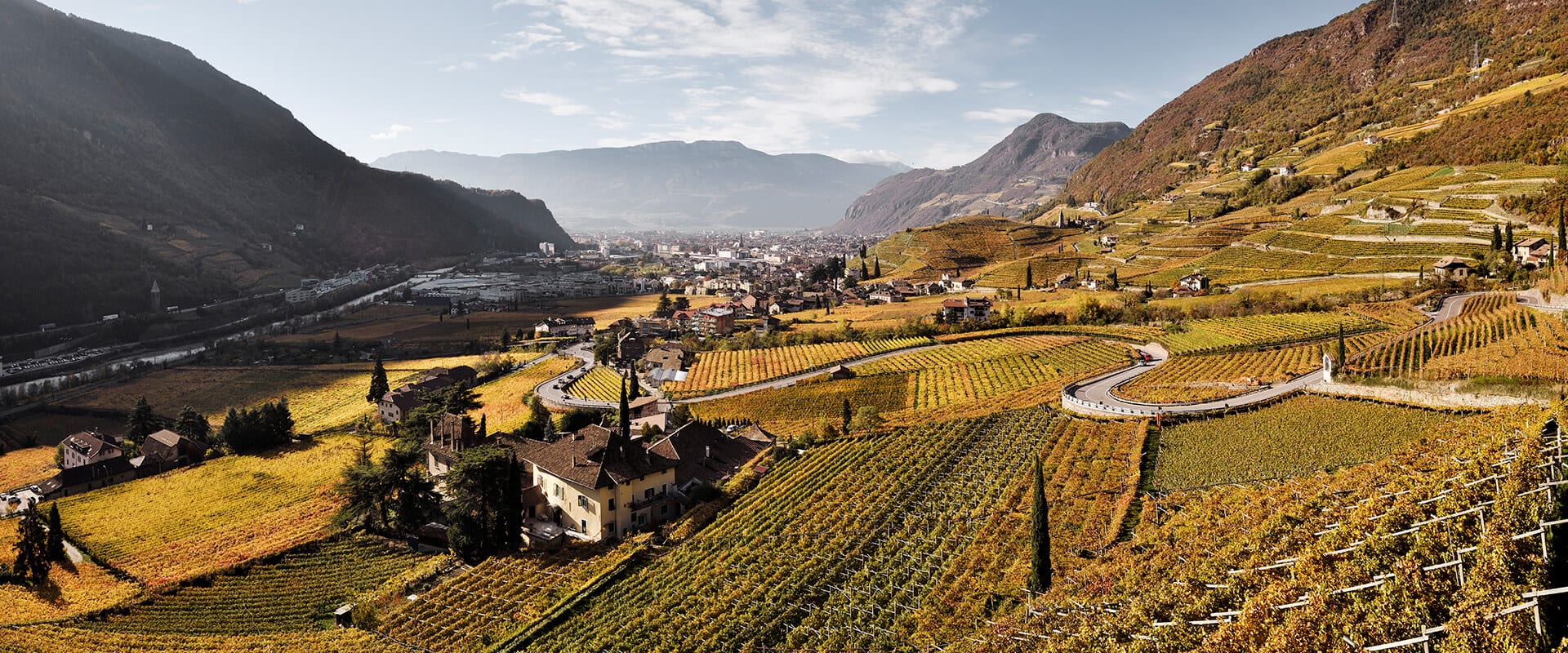
Bolzano is the capital of South Tyrol and the place where Italian is heard most. The old town is built around the Laubengasse, the arcaded street where merchants have traded for centuries, with the daily fruit and vegetable stalls of the Obstmarkt at one end and Waltherplatz close by. The South Tyrol Museum of Archaeology is home to Ötzi, the Iceman found in the Ötztal Alps in 1991. Bolzano has the region's main railway station, on the line over the Brenner, which makes it a practical first or last stop. From Lana it is an easy trip by bus 201 or by train from Lana-Burgstall.


Parkhotel Mondschein
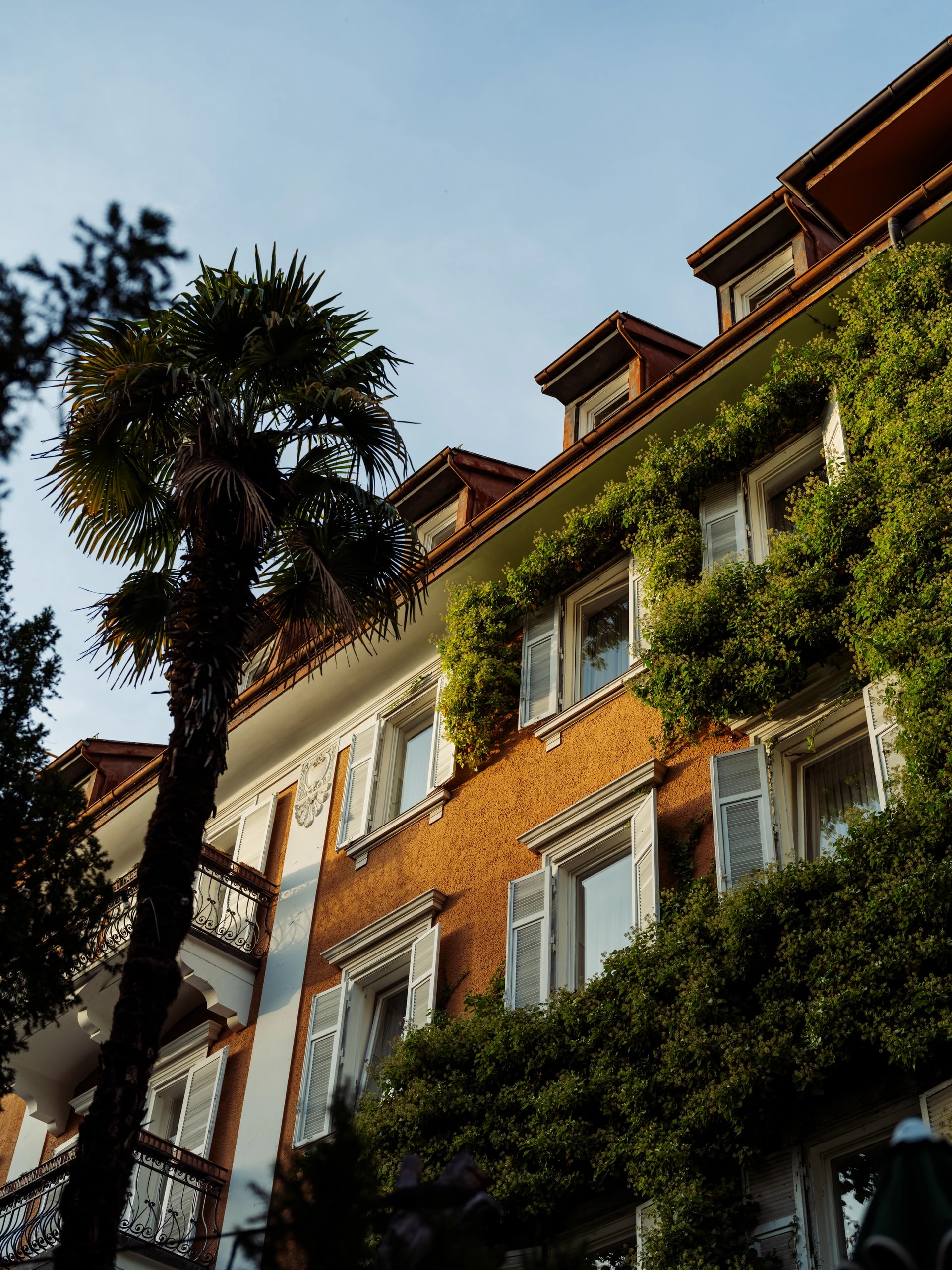
Our place to stay here is Parkhotel Mondschein, reached via one of Bolzano's oldest arcaded streets and, according to the hotel, dating back in part to 1320. Behind it lies a park of about 1,500 square metres with mature trees, loungers and, from spring to the end of October, a pool. There are 60 rooms and 16 suites; the Merano studio Biquadra refurnished them in 2022, keeping the stucco, high ceilings and herringbone parquet. Luna Restaurant serves Italian cooking with handmade pasta and fish from the Adriatic, the Luna Bar is open from 7 am to midnight, and Alto Pizza has its own entrance on Bindergasse. The station is a five-minute walk away.
Above the Valley
No road leads to vigilius mountain resort: the Vigiljoch above Lana is car-free and reached by the cable car, a six-minute ride. At around 1,500 metres, Matteo Thun designed the building for owner Ulrich Ladurner in larch, glass, natural stone and clay. There are 35 rooms and six suites; depending on their position they face the Dolomites and get the morning sun, or face the forest and get the evening sun. Restaurant 1500 serves regional, seasonal cooking in the evening, and Stube Ida South Tyrolean dishes by day, with a sun terrace. Paths lead off in every direction, and an old single chairlift climbs towards the little church of St. Vigil with its fourteenth-century frescoes. Hotel guests have extra cable-car runs until 11 pm, so dinner down in Lana is possible, but it needs planning.


A Route: Six or Seven Nights
Arrive by train over the Brenner and start with two nights in Bolzano: one day for the Laubengasse, the Obstmarkt and the archaeology museum, an evening at Luna or Alto. Then take the regional train to Lana-Burgstall, where Schwarzschmied and Reichhalter collect guests free of charge, and stay three nights in Lana. Use one day for the gardens at Kränzelhof and dinner at Miil, one for Merano by bus, and one for the Vigiljoch, with the chairlift to St. Vigil and lunch at Stube Ida. If you want a night up on the mountain, add one or two nights at vigilius at the end. One note for planning: the restaurant at Reichhalter is closed on Sundays, and Miil on Sundays and Mondays.
When to go: April for the blossom around Lana, July to September for the longest cable-car hours and cooler air on the Vigiljoch, and October to mid-November for Törggelen. In winter the Vigiljoch cable car keeps running for winter walks, and the outdoor pool at Schwarzschmied is heated all year.